Replace Cartridge in Shower Faucet: A DIY Guide
Learn how to replace cartridge in shower faucet with our detailed, safe, DIY-friendly guide. Tools, steps, tips, and troubleshooting to stop leaks and restore smooth operation.


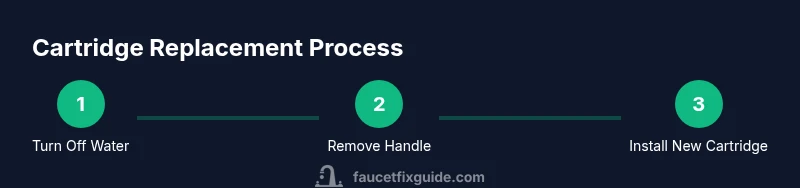
To replace a cartridge in a shower faucet, shut off the water, remove the handle and escutcheon, extract the faulty cartridge, and install a compatible replacement. Reassemble, restore water supply, and test for leaks. This task requires basic tools and a replacement cartridge matched to your faucet brand and model.
Understanding why a cartridge fails
Cartridge-based shower faucets rely on a movable internal cartridge to regulate water flow and temperature. Over time, cartridges wear, O-rings dry out, or mineral deposits build up, causing leaks, loss of temperature control, or reduced water flow. Before you replace anything, note the symptoms (dripping, uneven temperature, or low pressure) and the faucet model. According to Faucet Fix Guide, understanding the failure mode helps you buy the correct cartridge and avoid future issues. You’ll save time and money by not guessing at part compatibility or assuming a universal cartridge fits all brands. In this section, you’ll learn how failures manifest and how to identify when replacement is the right fix.
Safety and prep steps
Safety first: water and electricity don’t mix. Begin by turning off the hot and cold water supply to the bathroom, then open a faucet downstream to relieve pressure. Use a bucket and towels to catch residual water. If your valve is behind drywall or a decorative plate, be prepared to remove trim carefully to avoid damage. Wear eye protection and work in good lighting. The goal is to create a clean, dry work area so you can inspect the cartridge area without risking slips or injury. Faucet Fix Guide Team emphasizes taking your time to avoid damaging the faucet finish or internal parts.
Tools and replacement cartridge selection
Before you start, gather the right tools and a replacement cartridge that matches your faucet’s brand and model. Most cartridges come in identifiable packaging with a part number. If you’re unsure, remove the old cartridge first to compare its shape and size. You’ll also want silicone-based lubricant for O-rings and a clean rag, plus an adjustable wrench and pliers for stubborn nuts. Choosing the right cartridge is critical for a leak-free seal and correct temperature control. Faucet Fix Guide analysis shows that mismatched cartridges are a leading source of post-replacement leaks, so verify compatibility using the model number and, if needed, the faucet family (e.g., single-handle vs. two-handle).
Removing the handle and escutcheon
Start by removing the handle screw using the appropriate screwdriver. Carefully lift the handle away, noting any spacers or caps that hold it in place. Next, remove the escutcheon plate or decorative trim to expose the cartridge nut or clip. Some models use a retaining clip; others use a retaining nut. Keep track of screws and small parts so you don’t lose them during reassembly. If the handle or trim is stiff, apply a little penetrating oil and give it a moment before retrying. The goal is to access the cartridge without scratching the faucet finish.
Accessing and removing the old cartridge
Once you can see the cartridge, identify how it’s held in place—clip, nut, or spline. Use the correct tool to remove the retaining mechanism, then gently pull the cartridge straight out. If it’s stubborn, twist slightly back and forth while pulling, taking care not to tilt or damage the cartridge bore. Inspect the valve body for mineral buildup and clean with a soft brush or cloth. If you see worn O-rings, replace them along with the cartridge to ensure a proper seal and smooth operation. Reinspect the area for any debris that could affect installation.
Inspecting and choosing a replacement cartridge
Compare the old cartridge to the new one, focusing on shape, diameter, spline count, and end geometry. Not all cartridges are interchangeable, even within the same brand. Verify compatibility by part number, faucet family, and the lock-in mechanism (clip or nut). Inspect the seals and O-rings on the new cartridge; if they look dry, apply a thin coating of silicone-based lubricant to help installation and seal longevity. If mineral deposits exist, flush the valve body before inserting the new cartridge to prevent immediate leaks.
Installing the new cartridge and reseating components
Slide the replacement cartridge into the valve body, aligning with the spline or notch. If a retaining clip or nut is required, reinstall it firmly but without overtightening. Re-seat any seals or O-rings with care; lubricate as needed to avoid pinching. Reattach the escutcheon and handle, then adjust set screws or trim to original alignment. Before final assembly, lightly turn the water back on to verify the cartridge seats correctly and the handle moves smoothly through its full range. A proper seating prevents leaks at the seals.
Reassembling and testing for leaks
With the faucet reassembled, slowly restore water supply and gradually open the hot and cold valves. Test all functions: full cold, full hot, mixed temperature, and shower operation. Look for any drips around the cartridge area and around the escutcheon. If leaks appear, re-close the supply, disassemble the relevant parts, and inspect for o-ring damage or misalignment. Leaks may indicate a misfit cartridge or a damaged seal that requires replacement. Repeat testing until the faucet is leak-free and the temperature responds predictably.
Troubleshooting common issues after replacement
If the faucet leaks after replacement, re-check cartridge seating, verify O-rings are intact, and confirm the cartridge is the correct model. Temperature control issues may indicate an incorrect cartridge orientation or improper handle installation. Mineral build-up around the valve seat can cause sluggish performance; flush and clean the valve body, then reassemble. If leaks persist, consult the faucet manufacturer’s guidelines or contact a professional. Persisting problems may indicate a damaged valve body or an incompatible cartridge.
Maintenance tips to prolong cartridge life
Regularly clean the aerator and the visible parts of the faucet to prevent mineral buildup from migrating into the cartridge. Periodically inspect the cartridge area for wear, replace O-rings when they show cracks or stiffness, and avoid overtightening fasteners during reassembly. Use water-softening or filtration solutions if you live in a hard-water area. Simple maintenance can extend cartridge life and reduce the likelihood of leaks.
Tools & Materials
- Replacement cartridge (brand/model matched)(Bring old cartridge or model number for accurate match)
- Screwdriver set(Phillips #2 and flat-head for trim)
- Adjustable wrench(To loosen nuts securing cartridge and escutcheon)
- Pliers (needle-nose)(Remove retaining clip if present)
- Allen/Hex wrench set(Some models use set screws)
- Silicone-based lubricant(Lubricate O-rings lightly)
- Rag or towel(Keep the area clean and dry)
- Bucket or small tray(Catch any residual water)
- Spirit level or straight edge(For alignment if needed)
Steps
Estimated time: 45-60 minutes
- 1
Shut off water
Turn off both hot and cold supply valves. Open a nearby faucet to release pressure and drain lines. This prevents water spray and reduces the risk of scalding during removal.
Tip: If valves are hard to turn, use a wrench gently on the valve knob with a cloth for grip. - 2
Remove handle screws
Use the appropriate screwdriver to remove the handle screw. Lift the handle straight off, keeping track of any washers or caps that may be beneath.
Tip: Note the order of any tiny parts; a photo helps during reassembly. - 3
Take off escutcheon
Gently pry away the escutcheon plate to expose the cartridge nut or retaining clip. If it sticks, apply a bit of penetrating oil and wait a moment before trying again.
Tip: Be careful not to scratch the finish; use a plastic pry tool if available. - 4
Remove retaining device
If a clip is present, use needle-nose pliers to remove it. If a nut is used, hold the inner stem and loosen the nut with the wrench.
Tip: Keep the clip in a small dish so it isn’t lost. - 5
Extract the old cartridge
Grasp the cartridge and pull straight out. Don't twist aggressively; if it sticks, wiggle gently while applying even traction.
Tip: Inspect the cartridge for wear to anticipate replacement needs. - 6
Compare new cartridge
Check the shape, length, and end geometry against the old unit. Ensure the replacement matches the faucet model and family.
Tip: If uncertain, bring the old cartridge to a hardware store for comparison. - 7
Install new cartridge
Slide the cartridge into the valve body, aligning the notches. Reattach the clip or nut securely, but avoid over-tightening.
Tip: A small amount of silicone lubricant on O-rings eases installation. - 8
Reassemble trim
Reposition the escutcheon, reinstall any washers or caps, and align the handle. Tighten screws just until snug without pinching.
Tip: Check alignment by wiggling the handle before final tightening. - 9
Restore water and test
Turn on water supply gradually. Test hot, cold, and mixed temperatures. Check for leaks around the cartridge and escutcheon.
Tip: If leaks appear, reseat the cartridge and re-torque the retaining device. - 10
Final leak check
Let the faucet run for a few minutes to ensure steady flow and no drip at the seals. Inspect the area after a few hours for any slow leaks.
Tip: Keep an eye on the faucet for the first 24 hours after replacement.
Frequently Asked Questions
What should I do if the new cartridge leaks after installation?
Double-check that the cartridge is seated properly and that the O-rings are not damaged. Re-seat the cartridge, replace any worn O-rings, and re-test. If leaks persist, verify the valve body isn’t cracked or the cartridge is the wrong type.
If the new cartridge leaks, make sure it's seated correctly and the O-rings are intact. Re-seat and test again; if leaks continue, check for an incompatible cartridge or damaged valve body.
Can I replace a shower cartridge without turning off the water?
No. Always shut off both hot and cold supply and relieve pressure before removing any parts. Working with live water increases injury risk and can cause splashback or burns.
No. Turn off the water and relieve pressure before removing the handle or cartridge.
How do I know which cartridge to buy?
Identify your faucet brand and model number, then purchase the exact cartridge specified for that faucet family. If you’re unsure, bring the old cartridge to a hardware store for comparison or consult the manufacturer’s guide.
Know your faucet brand and model, then get the exact cartridge. If unsure, compare with the old cartridge at a store.
Is it safe to reuse old seals or O-rings?
Generally not. O-rings can dry out or crack with age, compromising the seal. Replace O-rings with new ones when installing a new cartridge for best results.
Usually not. Replace O-rings when you replace the cartridge to ensure a good seal.
Do I need special tools for different brands?
Most replacements require common tools, but some brands use unique retaining hardware. Have a basic toolkit plus a few specialty bits, and consult the faucet’s installation guide for any brand-specific steps.
A basic toolkit usually works, but some brands need special clips or nuts. Check the manual.
How long does a cartridge replacement take?
For a straightforward single-handle faucet, plan about 45 to 60 minutes, including testing for leaks. More complex setups or difficult access can take longer.
Expect about 45 to 60 minutes for a typical replacement, more if access is tight.
Watch Video
Top Takeaways
- Turn off water, then verify compatibility before purchase.
- Match cartridge model to faucet family for a leak-free seal.
- Lubricate O-rings lightly and avoid over-tightening components.
- Test comprehensively for leaks and temperature control after reassembly.