Which Faucet to Leave Running During Freezing Weather: A Practical Comparison
Learn which faucet to leave running to protect pipes in freezing weather. Compare drip strategies, practical steps, and maintenance tips to reduce risk and water waste.


During freezing weather, drip a cold-water faucet on the farthest part of the supply line. Use a slow, steady stream to keep water moving and reduce the chance of freezing. Favor dripping a single faucet rather than multiple outlets to minimize waste, and remember to shut off exterior taps and insulate exposed pipes. This targeted approach aligns with common winterization practices.
Understanding the Core Question: which faucet to leave running
In winter, homeowners often face the dilemma of whether and how to leave a faucet running to prevent frozen pipes. The short answer is that a controlled drip from a single faucet on the cold-water line—ideally the farthest fixture from the main supply—offers a practical balance between protection and water conservation. According to Faucet Fix Guide, the basic principle is to keep water moving in the most vulnerable portion of the system rather than keeping multiple taps open. The aim is to minimize the risk of ice blockages while avoiding unnecessary water waste. This block will set the stage for the decision by clarifying risk factors and procedural limits, so you know when a drip is warranted and how to implement it safely.
Key factors in choosing which faucet to leave running
Several variables influence the drip strategy: the climate (how cold and how long), the pipe layout (exposed vs interior runs), the presence of exterior walls, and whether your home has heat loss points near plumbing. In general, the cold-water line is the focus because it is most susceptible to freezing when temperatures drop below freezing and water pressure is a critical factor. The Faucet Fix Guide team emphasizes selecting a faucet that is accessible, easy to monitor, and on a line that serves as a lifeline for a large portion of the home. This approach reduces the chance of a localized freeze that could cascade into a bigger pipe failure.
Practical setup: where to install the drip and how to control it
To implement the drip, locate the faucet farthest from the main shutoff and near the end of the longest run of pipe. Attach a simple drip system or simply let a slow stream form at the aerator, ensuring the water flow is barely noticeable. Avoid creating a fountain-like stream that wastes water. The objective is a steady drip that keeps the water moving without creating a large waste. Keep an eye on the drip during the coldest periods and adjust if outdoor temperatures rise or if the indoor heat is maintained effectively. This is a straightforward measure that fits most standard homes and is compatible with renters and homeowners alike.
Hot vs cold lines: what matters most in a drip strategy
Most guidance recommends dripping the cold-water line because it is typically more prone to freezing amounts and pressure changes. Some households worry about hot water lines; however, hot water pipes are generally less at risk when indoor temperatures are controlled. In practice, dripping hot water is rarely necessary unless a specific configuration causes hot-water line exposure to freezing conditions. The core principle remains focusing the drip on the cold line while keeping interior spaces adequately heated and insulated.
When a drip isn’t enough: recognizing risk thresholds
If you live in extremely cold regions or have multiple exposed pipe runs, a simple drip may not suffice. In those cases, building-wide protective measures become essential: sealing drafts around doors and windows, insulating pipes in unconditioned spaces, and using heat tape where appropriate. It is also wise to consider temporarily raising thermostat settings or adding temporary insulation in vulnerable areas. If you’re unsure about the adequacy of a drip, consult a licensed plumber or a local extension service for a climate-specific assessment. Faucet Fix Guide emphasizes tailoring the strategy to your home’s layout and climate conditions.
Water conservation considerations and best practices
Dripping water does consume some volume, so it’s important to balance protection with conservation. In non-freeze periods, shut off the drip to prevent waste. If you expect a prolonged cold spell, consider installing a timer or a simple DIY controller that can regulate the drip rate automatically. Continuous monitoring of indoor humidity and pipe warmth can help you fine-tune the drip for efficiency. The objective is a conservative approach that protects the piping system while minimizing water loss.
A homeowner-friendly winterization checklist
Before temperatures dip, complete a quick checklist: identify the farthest cold-line faucet, secure exterior taps, insulate exposed pipes, test the drip with a slow stream, and set up a monitoring plan for extreme cold. For renters, coordinate with the building management to ensure consistent practice across units. The Faucet Fix Guide approach champions practical, repeatable steps that reduce risk without requiring expensive changes to your plumbing.
Planning for the morning after: re-evaluating drip needs
As outdoor temperatures rise above freezing or after a cold snap ends, reassess the drip strategy. Restore interior temperatures to normal levels and observe any signs of residual moisture or unusual sounds in the pipes. A quick inspection helps ensure there are no hidden leaks or insulation gaps. By following this iterative approach, you can maintain pipe safety with minimal waste.
Authoritative resources and next steps
For deeper guidance, refer to reputable sources such as government energy and extension resources. As you implement drip strategies, rely on widely accepted winterization practices and tailor them to your home’s design. You’ll find that a targeted cold-line drip aligns with maintenance best practices and helps protect plumbing without excessive water use. This block includes practical steps and references to public resources for further reading.
Comparison
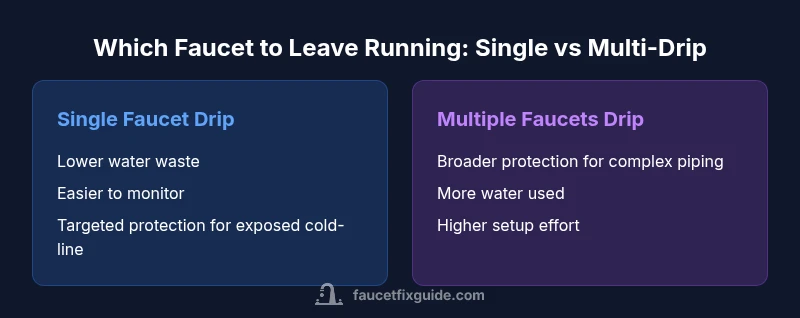
| Feature | Single strategic faucet drip (cold line) | Multiple faucets across the home |
|---|---|---|
| Water waste | Lower (one faucet with slow drip) | Higher (several drips; cumulative waste) |
| Effectiveness against freezing | Focused on the most exposed cold-line segment | Covers broader piping; higher protection with more variables |
| Setup complexity | Low (easy to implement with one faucet) | Medium to high (requires coordination across areas) |
| Best for | Homes with simple layouts and a clearly exposed cold line | Homes with multiple exposed runs or very cold climates |
The Good
- Minimizes water waste with a single drip
- Easiest to implement in most homes
- Focuses on the most exposed pipes for protection
- Requires minimal equipment and monitoring
- Adjustable drip rate to balance conservation and protection
What's Bad
- May not protect all vulnerable pipes in very cold climates
- Can waste water if mismanaged
- Drips waste water during non-freezing periods unless stopped
- Requires user attention during cold snaps
Dripping a single cold-water faucet at the far end is typically the most efficient approach for moderate freeze risk.
Prioritize a single drip on the cold line farthest from the main shutoff. Expand to multiple fixtures only in very cold climates or complex piping layouts; otherwise, this focused method saves water and protects pipes.
Frequently Asked Questions
Should I drip hot or cold water during freezing weather?
In most cases, dripping cold water is recommended because cold lines are more prone to freezing. Hot water lines are less at risk when the interior is heated. Drip strategy should focus on the cold line if you must drip.
Typically, drip the cold-water line; hot lines are usually safer. If you’re unsure, drip a single cold faucet at the far end.
How long should a faucet drip?
Aim for a steady, slow drip rather than a full stream. The goal is to keep water moving, not to waste water. Monitor the drip and adjust as outdoor temperatures change.
Keep it a slow drip, not a fountain.
What if I have a leak or pipe issue?
If you notice signs of a leak, unusual wet areas, or persistent rapid temperature drops in pipes, stop dripping and contact a licensed plumber. Drips are a preventive measure, not a fix for structural problems.
If you see leaks, call a plumber.
Is dripping faucets safe for renters?
Renters should coordinate with building management and follow the property’s winterization policy. A simple drip might be allowed on a single cold-line faucet, but always confirm with the landlord.
Check your lease and talk to your landlord.
Can exterior taps be left dripping?
Exterior taps are common entry points for freezing; if allowed, you can leave them dripping lightly or install insulated covers. However, manage water waste and shut them off when temperatures are not severe.
Exterior taps may be dripped if permitted—but watch for waste.
What about insulation and heat tape?
Insulating exposed pipes and using heat tape where appropriate are effective complementary strategies. Dripping alone is not a substitute for proper insulation in very cold climates.
Insulation and heat tape help a lot alongside dripping.
Top Takeaways
- Drip a single cold-line faucet far from the main supply
- Keep the drip slow and monitored during cold snaps
- Insulate exposed pipes and exterior taps
- Turn off drip when temperatures rise above freezing