When to Drip Faucets in Winter: A Practical Guide
Learn exactly when to drip faucets in winter, which taps to drip, and safe methods to prevent frozen pipes. A practical, step-by-step guide for homeowners and DIY enthusiasts.


During sustained cold snaps, drip faucets served by exposed or unheated pipes to prevent freezing and pipe bursts. Start before temperatures drop below freezing and continue the drip for the duration of the cold period, especially on exterior lines or pipes in garages, basements, or crawl spaces. Use a slow, continuous trickle rather than a flood to conserve water.
Why Dripping Faucets Helps in Cold Weather
During cold snaps, water in pipes can freeze and expand, potentially causing leaks or bursts. A small, continuous drip relieves pressure and keeps water moving, reducing the chance of ice forming inside pipes. According to Faucet Fix Guide, allowing a measured drip from faucets on exposed lines during a prolonged cold front can make a critical difference for homes with unheated spaces. The goal is a controlled trickle, not a flood, to minimize water waste while still protecting vulnerable sections of your plumbing. The basic principle is simple: moving water stays unfrozen longer than still water, so a steady drip lowers the likelihood of stress on the pipe walls. Prioritize pipes in basements, crawl spaces, garages, and outdoor hose bibs. If you notice leaks or deteriorating insulation, address those issues alongside dripping as part of your winter-prep plan.
Which Faucets Are at Risk This Winter
Any faucet that feeds a pipe running through an unheated or poorly heated space is at risk. Exterior hose bibs, garage or crawl-space lines, and plumbing that travels through uninsulated walls are common trouble spots. Interior pipes behind uninsulated cabinets, in laundry rooms, or under sinks in unheated basements can also freeze if temps stay very low. Detaching garden hoses from outdoor spigots helps prevent backflooding and pressure buildup when lines freeze. If you’re unsure which lines lead to exposed segments, map your home's piping by tracing from the main shutoff to outlets in unheated spaces. Pair dripping with insulation upgrades for best protection.
How to Set Up a Safe, Efficient Drip
Start by identifying one faucet per cold line that you’ll use to maintain a drip. In most homes, this is the faucet on a line that runs through an unheated space or to an outdoor hose. Open the faucet slightly to create a trickle—enough to see continuous water but not a steady stream that wastes water. If you know you have separate hot and cold lines feeding the same area, it’s usually sufficient to drip one of them, preferably the line with the longest run. Leave faucets in the drip position until temperatures rise above freezing for 24 hours, then gradually close to normal flow. Keep an eye on the velocity of the drip; if it stops or becomes a full flow, adjust to a gentler trickle. Use insulated sleeves on exposed pipes and consider temporary heat sources only if used safely and according to manufacturer guidelines.
Practical Scenarios and Timing
Timing is the key: start the drip before an anticipated deep freeze and continue through the coldest portion of a front. If a winter storm is forecast, begin dripping a day or two in advance and maintain the drip for the duration of the event. In milder conditions, dripping a single exterior line during freezing nights can be enough. After temperatures climb back above freezing for 24 hours, you can gradually reduce and stop the drip. In homes with known freezing history, a longer drip period during the coldest weeks is prudent. The main takeaway: tailor the drip to your climate, house layout, and pipe exposure, not to a fixed timer.
After the Cold Spell: Inspect and Restore
Once the cold period ends, turn off the drip, inspect all exposed lines for leaks, and check for damp insulation or moisture in crawl spaces. Reinstall or upgrade pipe insulation and seal any gaps that let cold air reach the pipes. Run all taps briefly to ensure full water flow returns normally and listen for unusual sounds that might indicate a hidden leak or bursting risk. If you decommissioned outdoor lines, reconnect hoses only after verifying the bib is fully dry and winterized. Finally, document what worked this season to improve next year’s plan.
Tools & Materials
- Insulation wrap or foam pipe sleeves(Install on exposed pipes in basements, crawl spaces, and garages)
- Adjustable wrench(Use to loosen/fine-tune valve packing if needed)
- Flashlight(Inspect dark spaces for visible pipes and leaks)
- Bucket and towels(Catch drips and keep floors dry)
- Marker or tape(Label lines to track which faucets are dripping)
Steps
Estimated time: 30-60 minutes to set up; ongoing during the cold spell as needed
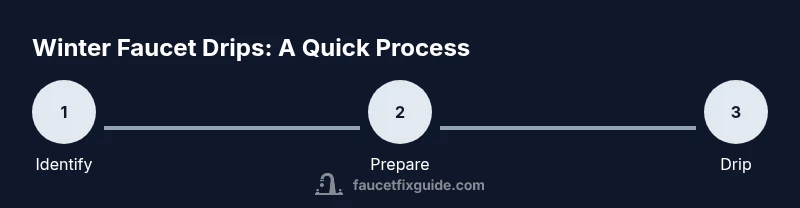
- 1
Identify at-risk pipes and outlets
Walk through your home and note which pipes travel through unheated spaces such as basements, crawl spaces, attics, or garages. Record outdoor hose bibs and any plumbing that runs along exterior walls. This step is the foundation for choosing which lines to drip and where to add insulation.
Tip: Create a simple map or label on the main shutoff to keep track during emergencies. - 2
Prepare and inspect insulation
Check existing insulation on exposed pipes. Install foam sleeves or wrap with insulation tape as needed to reduce heat loss. Address gaps where cold air blows around pipes, especially near windows or vents.
Tip: Use a flashlight to verify that wrapped sections are secure and not restricting valve access. - 3
Select faucets to drip
Choose faucets that feed the most at-risk lines. In most homes, drip one faucet per cold water line, preferably the one with the longest run through unheated space. If you have separate hot and cold lines, drip only one side to minimize waste.
Tip: Avoid dripping multiple faucets if water supply is limited; prioritize exterior and unheated paths. - 4
Set the drip and confirm flow
Turn the selected faucet to a very slow drip—visible but not a full stream. Watch the flow for a few minutes to ensure it remains steady. If the drip pauses, re-seat the faucet or adjust the packing nut.
Tip: A steady, small drip is better than a fast trickle that wastes water. - 5
Monitor during cold periods
Check the drip rate daily during extreme cold. Ensure drips continue through the coldest days and adjust if the line stops freezing due to temperature rise or if you observe excessive noise or leakage.
Tip: Keep a bucket handy for any unexpected leaks and to catch drips from exterior lines. - 6
Post-freeze shut-off and restore
When temperatures rise, gradually reduce the drip over 24 hours and then restore normal water flow. Inspect for leaks or damp insulation after the drip stops.
Tip: Test all taps to confirm full pressure and check for hidden leaks behind cabinets.
Frequently Asked Questions
Should I drip all taps, or only those on exterior lines?
Drip taps on lines that run through unheated spaces or feed exterior lines. Dripping interior taps in heated spaces is usually unnecessary and may waste water. Focus on the pipes most at risk in your home layout.
For most homes, drip the taps connected to pipes that pass through unheated spaces like basements or garages. Interior taps in heated rooms usually don’t need to drip.
If I don’t have exposed pipes, do I still need to drip anything?
If all pipes are within well-insulated, heated spaces, dripping may not be necessary. Still, sealing gaps and ensuring doors to unheated areas stay closed can prevent cold air from reaching pipes.
If your pipes are well insulated and inside heated spaces, dripping might not be needed; focus on insulation and sealing drafts.
How long should the drip last after a cold snap ends?
Keep the drip going for at least a day after temperatures rise above freezing, then gradually stop. Monitor for any signs of moisture or leaks as you restore normal flow.
Continue dripping for a day after it warms, then ease off gradually while watching for leaks.
What safety precautions should I take with insulation and tools?
Wear basic gloves when handling insulation and use a flashlight to inspect dark spaces. Keep tools organized and away from water sources to prevent accidents.
Wear gloves and use a flashlight to check pipes; keep tools dry and away from any water.
What adjustments should I make for a history of freezing in my home?
If your home has a history of freezing, extend the drip duration and enhance insulation around vulnerable runs. Revisit the plan each season based on climate forecasts.
If freezes are common in your home, lengthen the drip and improve insulation on those lines.
Can I use heat tape or space heaters to protect pipes?
Heat tape and other heaters can help, but must be used according to manufacturer instructions and local codes. Dripping remains a simple, low-risk measure for many homes.
Heated tape can help, but follow the manufacturer rules. Dripping is a straightforward, safe option for many homes.
Watch Video
Top Takeaways
- Identify exposed pipes and outdoor valves before winter.
- Drip targeted faucets to protect end-to-end piping, not everything.
- Insulate, monitor, and adjust based on local weather patterns.
- Test and restore gradually after the cold period ends.