When to Start Dripping Faucets: Winterization Tips
Discover when to start dripping faucets to protect pipes from freezing, with practical steps, safety tips, and trusted guidance from Faucet Fix Guide.


According to Faucet Fix Guide, this quick guide explains when to start dripping faucets to prevent freezing. In most climates, begin during a sustained cold spell when forecast temperatures stay near or below freezing for 24 hours or more. Identify vulnerable pipes, gather simple tools, and follow the steps to drip only the necessary faucets.
Why Dripping Faucets Helps in Freezing Weather
A slow, deliberate drip from vulnerable faucets is a simple, low-cost way to reduce the risk of pipe bursts when temperatures plummet. Water expands as it freezes, and in long, unheated runs of pipe—such as outdoor spigots, garage lines, and pipes behind uninsulated walls—pressure can build until a rupture occurs. By keeping water movement, you minimize the chance of a single pipe failing. According to Faucet Fix Guide, the basic principle is to relieve pressure and maintain flow in the most susceptible sections of your plumbing. This approach is most effective for fixtures connected to exposed pipes or those with a history of freezing. For modern homes with well-insulated interiors, the risk is lower, but a targeted drip can still protect outdoor faucets and any pipe with a history of freezing.
Understanding the why behind dripping helps homeowners decide when and where to apply this tactic. It is not a universal fix for every pipe, but a targeted measure in high-risk zones. If your home has undergone recent renovations, or if you have an unheated garage or crawl space, prioritize those areas. A practical mindset is to treat dripping as part of a broader winterization strategy that includes insulation, weatherstripping, and proper venting. The goal is to minimize the damage from a potential freeze, not to create a flood risk.
When to Start Dripping Faucets: Temperature and Timing
Timing your drip is as important as the drip itself. If a sustained cold snap is forecast—temperatures staying near or below freezing for a day or longer—it's a good time to begin dripping. The aim is to keep water moving through the pipes for the duration of the cold period and for several hours after temperatures rebound. Outdoor faucets, pipes in unheated spaces, and lines along exterior walls are the highest priority. In milder regions, drip strategies might be needed only during unusually prolonged cold events. Always base the decision on local forecasts and historical patterns rather than a rigid calendar. The Faucet Fix Guide team notes that timing should hinge on real-time weather data rather than a fixed start date; monitor hourly updates and start dripping when freezing risk becomes imminent.
Which Faucets Should Drip and How to Identify Them
Start with outdoor spigots, frost-prone laundry lines, and any pipe segments that run along exterior walls or through unheated spaces such as basements or crawl spaces. Check behind uninsulated walls and under sinks to locate exposed plumbing. A quick way to identify risky faucets is to feel for cold pipes during a cold spell or to observe condensation on cold-water lines. Once you’ve identified the vulnerable faucets, label them so you can apply the drip consistently throughout the freeze. The goal is to drip only the faucets that feed these high-risk segments, avoiding unnecessary waste.
What to Drip and How Much Water: Practical Guidance
A drip is not a torrent; it should be a slow, continuous movement that keeps water flowing without creating a heavy stream. For most fixtures, turning the handle to a small trickle on a single-handle faucet or opening a two-handle faucet just enough to produce a steady drip is sufficient. Outdoor hose bibs often benefit from a light drip through the frost-free valve, since these are among the most exposed to cold. If you’re unsure, test for a steady drip by watching the flow for 30–60 seconds before leaving home for extended periods. Remember: the objective is to prevent freezing, not to waste water.
Regional Variations and Climate Considerations
Regional climate plays a significant role in drip strategy. In very cold inland areas with long winters, you may need to drip more faucets and for longer durations. In coastal or arid regions, freeze events can be abrupt, so keep a shorter, immediate drip plan ready. The Faucet Fix Guide analysis shows that home design, insulation quality, and pipe routing influence how many faucets should drip. If your home has recently upgraded insulation or new exterior walls, you may reduce the number of active dripping fixtures. Always tailor drip plans to local conditions and past freeze episodes.
Safety Considerations and Common Mistakes
Safety matters: dripping faucets should be monitored for leaks or suddenly rising water flow. Never leave a drip unattended in the dark if you’re not comfortable with plumbing nuances. Common mistakes include dripping for too long after temperatures rise, which wastes water, or failing to drip outdoor spigots, leading to frozen pipes. Inspect surrounding areas for dampness and mold after a thaw, and vent any enclosed spaces if you notice condensation.
Maintenance After the Freeze: Inspection and Prevention
After the cold spell ends, conduct a quick inspection to catch leaks that may have emerged during the freeze. Check appliance baselines and under-sink connections for drips or loosened fittings. Improve insulation around vulnerable pipes and consider installing foam sleeves on exposed sections to reduce future risk. If dripping didn’t fully prevent a burst, you’ll want to assess damage early and plan a professional inspection if you see wet spots or unusual noises from your pipes.
Quick-Start Winter Drip Checklist
- Identify all high-risk faucets (outdoor, unheated spaces).
- Gather tools: bucket, towels, adjustable wrench, flashlight.
- Mark each faucet’s drip target with tape for consistency.
- Open each drip valve to a slow continuous flow.
- Monitor pipes every few hours during the freeze.
- Close the drip once temperatures stay above freezing for 24 hours.
- Inspect for leaks and insulation needs after the thaw.
Common Myths Debunked About Dripping Faucets
Myth: Dripping prevents all pipe freezes. Reality: Dripping reduces risk for susceptible pipes but won’t fix all scenarios. Myth: It wastes too much water. Reality: When used strategically, the water loss is minimal compared to a burst pipe. Myth: Any faucet can drip. Reality: Only faucets with exposed or vulnerable lines require attention. These sections help you separate fact from fiction and optimize your winter protection strategy.
Tools & Materials
- Adjustable wrench(For loosening valve nuts and packing nuts on supply lines)
- Bucket or tray(To catch dripping water and keep the area dry)
- Towel or rag(Mops up spills and drys surfaces to prevent slips)
- Marker or tape(Label faucets to track which ones drip and why)
- Flashlight(Inspect dark corners under sinks and in basements)
Steps
Estimated time: 90-120 minutes
- 1
Identify vulnerable faucets
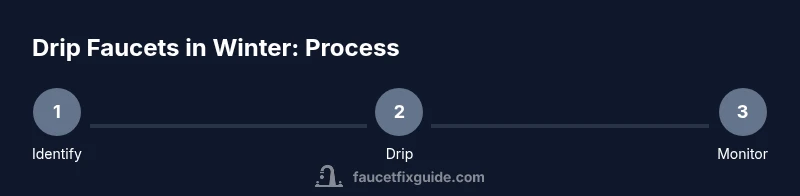
Walk through the home and locate exterior faucets, laundry lines, and any pipes in unheated spaces. Use a flashlight to inspect under sinks and along exterior walls. Mark each faucet so you know its status during the freeze.
Tip: Label each faucet with a color code to remember its priority. - 2
Gather tools and supplies
Assemble the bucket, towel, adjustable wrench, and a means to document which fixtures drip. Having everything ready prevents rushed, unsafe moves in cold conditions.
Tip: Keep tools in a labeled tote for easy access. - 3
Decide drip method per faucet
Indoor faucets with a single handle can be set to a small trickle. Outdoor hose bibs or frost-free valves may require a slightly faster drip or a cap on the aerator to prevent backflow.
Tip: Avoid high-flow drips that waste water and create ice in the drip line. - 4
Begin the drip
Open the faucet gradually until you see a steady drip rather than a splash. Confirm the flow continues smoothly for the next 30–60 minutes.
Tip: Make sure the drip is consistent; a fluctuating drip indicates a valve issue. - 5
Monitor and adjust
Check the faucets every few hours during the cold period. If you notice the drip slowing or stopping, inspect for ice blockage or valve tightness.
Tip: If you hear tapping noises, it could indicate a growing block; stop and reassess. - 6
Shut off when the risk passes
Once temperatures rise above freezing for 24 hours, gradually reduce the drip and close off the faucet as normal.
Tip: Do not abruptly stop the drip; allow pipes to equalize pressure gradually.
Frequently Asked Questions
Why do I need to drip faucets during cold weather?
Dripping faucets keeps water moving during freezing temperatures, which helps prevent the formation of ice blocks inside pipes and reduces the risk of bursting. It is a targeted measure for high-risk sections of your plumbing, especially outdoor and unheated spaces.
Dripping faucets keeps water moving to prevent freezing and pipe bursts in cold weather.
Which faucets should drip first?
Outdoor spigots, hoses, and pipes in unheated spaces should be prioritized, followed by any lines along exterior walls. Start with the fixtures most exposed to cold and expand if the freeze persists.
Start with outdoor faucets and pipes in unheated areas first.
Will dripping faucets waste a lot of water?
Dripping uses more water than usual, but the amount is small compared to the potential cost of a burst pipe. Use a controlled, slow drip to minimize waste.
Drip uses more water, but it's a necessary precaution against burst pipes; keep it slow and controlled.
What if I can’t access some faucets?
Seal any gaps around inaccessible pipes with insulation or foam and consider turning off water to that branch if possible and safe. If in doubt, consult a professional for safe alternatives.
If you can’t access a faucet, insulate the area or consult a pro for safe alternatives.
How long should I drip during a freeze?
Keep dripping for the duration of the freezing risk and for several hours after temperatures rise above freezing. Reassess after a thaw to ensure no leaks remain.
Keep dripping as long as it’s freezing, then a few hours after it warms up.
Is dripping safe for PVC pipes or plastic fittings?
Dripping is generally safe for typical residential PVC and metal piping when done correctly. Avoid excess water pressure and monitor for leaks or discolored seams that might indicate a problem.
Dripping is usually fine for PVC if done carefully; watch for leaks.
Watch Video
Top Takeaways
- Identify vulnerable pipes early and prioritize outdoor or unheated spaces.
- Drip only during the freeze and for the duration of the risk, not indefinitely.
- Keep a slow, steady drip and monitor for changes in temperature and weather.
- Insulate vulnerable pipes to reduce future risk and improve efficiency.
- Verify after thaw that all connections are intact and leak-free.