How to Keep Spigot from Freezing: Winterize Outdoor Faucets
Learn practical, step-by-step methods to prevent outdoor spigots from freezing, including shutting off water, draining lines, insulating, and year‑round maintenance—trusted guidance from Faucet Fix Guide.


Goal: Learn how to keep spigot from freezing with practical winterization steps. This guide covers turning off water supply, draining lines, insulating the faucet, and maintaining exterior spigots. You'll know exactly which tools you need, how to perform each step safely, and how to verify your setup before cold snaps.
Why Outdoor Spigots Freeze and How Prevention Helps
Outdoor spigots freeze when water in the line reaches temperatures below freezing and expands, increasing pressure inside pipes. Frost can crack bibs, hoses, or supply lines, leading to costly repairs and water damage. Understanding the frost risk helps a homeowner decide how aggressively to winterize. According to Faucet Fix Guide, knowing where water rests and how drainage works is the first step in keeping your spigot from freezing. In practice, the goal is to interrupt the freezing cycle by stopping water flow, removing standing water, and adding insulation where cold air can bite. When you ask yourself how to keep spigot from freezing, you’re really planning a small, repeatable routine that saves money and prevents chaos at the worst moment. The keyword here is proactive winterization, not reactive fixes after pipes crack.
Seasonal Prep and Prevention Techniques
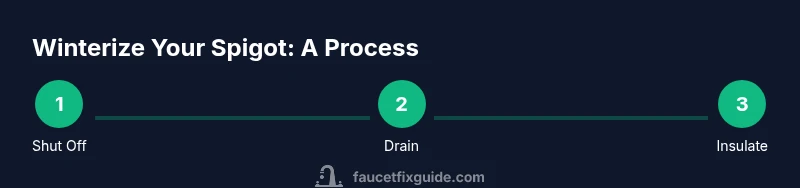
The core prevention strategy combines three pillars: turn off, drain, and insulate. Start by locating the interior shut-off valve that feeds the outdoor faucet and turning it fully clockwise until it stops. Next, open the spigot to allow any residual water to drain and to relieve pressure. Disconnect hoses and drain their water as well; water left in hoses can backfill into the bib and freeze. Insulation is essential: use foam covers or wrap exposed pipes with foam insulation and seal gaps where cold air leaks in. If you have a frost-proof sillcock, verify the interior shut-off moves freely and drains the line after you shut it. Regularly inspect the area for gaps, cracks, or leaks that could undermine your winterization effort, and replace worn covers as needed. Faucet Fix Guide recommends conducting this routine before temperatures dip consistently below freezing.
Common Mistakes That Lead to Frozen Spigots
Many homeowners repeat avoidable errors each year. Leaving hoses attached is a common culprit; it traps water in the hose and bib, which freezes and expands. Failing to drain the interior or exterior lines is another frequent mistake, especially on multi-outlet setups. Skipping insulation for exposed pipes, frost-prone stairwells, or garage sillcocks invites heat loss that accelerates freezing. Another pitfall is assuming a frost-free valve will solve everything without maintenance; even frost-free valves can fail if the interior shut-off sticks or the drain port becomes blocked. Finally, using unsafe heat sources near combustibles to thaw frozen spigots creates serious safety hazards. By avoiding these missteps, you reduce emergency repairs and water damage while extending the life of your faucet.
Home Maintenance Habits to Keep Spigots Safe Year-Round
Winterization isn’t a one-off task; it’s a habit. Schedule a brief pre-winter check to test shut-offs, drains, and insulators. Inspect the hose bib for corrosion or cracks and replace any parts showing wear. When temperatures rise above freezing, perform a quick post-winter check to ensure there are no leaks or cracks that developed during cold months. Consider upgrading to frost-proof faucets if your climate regularly dips below freezing, and install insulated covers on all exterior spigots. A simple maintenance kit with spare washers, hose nozzles, and insulation tape makes routine checks faster and more reliable. By keeping a small winterization toolkit handy and following a monthly check-in during winter, you’ll be better prepared for sudden cold snaps and snowstorms. This approach aligns with Faucet Fix Guide’s practical maintenance philosophy.
Quick Troubleshooting If a Spigot Freezes or Leaks
If you discover a leak or frozen spigot, start by turning off the interior shut-off valve to stop the flow of water. Do not attempt to force it unfrozen with knives, torches, or hair dryers—these methods are unsafe and can damage piping. For a frost-free setup, a slow, cautious thaw using warm air from a safe source (not an open flame) can help relieve pressure without cracking pipes. If you notice cracks, dripping, or pooled water after thawing, shut off the main supply and call a licensed plumber. Regular maintenance can prevent most frozen-spigot crises, but if you detect persistent leaks, don’t delay professional help. Faucet Fix Guide emphasizes safety and proactive checks as the best defense against freeze-related damage.
Authority and Additional Resources
For further reading, consult reputable sources on winterizing outdoor plumbing to complement this guide. The U.S. Department of Energy offers home insulation and weatherization tips, while university extension programs provide region-specific best practices for exterior faucets. Keep in mind that local building codes may influence the recommended approach to winterization. Faucet Fix Guide consolidates practical steps and safety reminders into an actionable plan tailored for homeowners, renters, and DIY enthusiasts. Always cross-reference with local guidance when in doubt, and use vetted sources to inform your maintenance routine.
How to Monitor and Verify Your Winterization Plan
Create a simple winterization checklist and log each action you take before the first hard freeze. Include valve operation tests, drainage checks, hose removal, and insulation status. After a cold snap ends, perform a quick post-winter check to ensure no leaks or frost damage occurred during the freeze. Documenting your process helps you track what works best in your climate and simplifies future preparations. By developing consistent habits, you’ll reduce the risk of a sudden burst and minimize emergency calls to plumbers. This ongoing vigilance is a core principle of durable, homeowner-friendly maintenance.
Tools & Materials
- Insulating faucet cover or foam insulating spout cover(Provide protection against cold wind; use rated insulation per local temps)
- Spigot shut-off valve key or adjustable wrench(For turning off supply line to outdoor faucet)
- Pipe insulation wrap or foam tubing(Wrap exposed pipe and supply line)
- Hose disconnect tool or pliers(Helpful for stubborn hose connections)
- Bucket and towels(Mop up any residual water)
- Weatherstripping or sealant(Seal gaps where cold air leaks in)
- Heat tape or safe heating cable (optional)(Only use approved devices and follow manufacturer instructions)
Steps
Estimated time: 30-60 minutes
- 1
Shut off the exterior water supply
Locate the interior shut-off valve that feeds the outdoor faucet and turn it fully clockwise until it stops. This stops water from filling the line and reduces freeze risk. If you have a frost-free sillcock, verify the interior valve actively drains after shutdown.
Tip: Label the shut-off for easy access next winter and use a simple note-based checklist. - 2
Drain water from the spigot
Open the outdoor faucet to relieve pressure and drain any residual water from the spigot and attached hose. Leave it open for a few minutes to ensure all water in the line has exited. This step helps prevent internal water from freezing and expanding.
Tip: If you hear a hiss after opening, continue draining until silence returns. - 3
Disconnect hoses and drain hoses
Remove all hoses from the bib and drain them completely. Water left in hoses can travel back into the bib and freeze, potentially cracking the spigot. Coil and store hoses in a dry, sheltered area.
Tip: Roll hoses loosely to avoid kinking that can trap water inside. - 4
Insulate the faucet and exposed piping
Wrap exposed pipes and the faucet with foam insulation or a purpose-built faucet cover. Seal any gaps with weatherstripping to minimize cold air exposure. This reduces heat loss and keeps the line above freezing temperatures.
Tip: Ensure insulation extends beyond the valve to protect joints. - 5
Consider frost-proof upgrades or supplemental heat
If your climate routinely freezes, upgrading to frost-proof valves may be wise. You can also use a safe, certified heating tape on exposed pipes in extreme conditions. Follow all manufacturer instructions and keep heating devices away from flammables.
Tip: Avoid using open flames; never leave heating devices unattended. - 6
Test and monitor before deep freezes
Before forecasted cold snaps, perform a quick check: turn off, drain, insulate, and verify no leaking. If temps rise, re-check the condition of seals, covers, and insulation.
Tip: Create a seasonal calendar reminder to repeat this routine annually.
Frequently Asked Questions
Do frost-free spigots require different winterization steps?
Yes. Frost-free spigots typically require ensuring the interior shut-off is fully closed and the line is drained. Follow the steps outlined here to adapt the routine to frost-free designs.
Yes. Frost-free spigots usually need the interior shut-off fully closed and the line drained. Follow these steps to adapt the routine to frost-free designs.
Should I disconnect hoses even if I plan to drain the line?
Yes. Disconnect hoses to prevent water from sitting in the hose and bib, which can freeze and damage the faucet.
Yes. Disconnect hoses to stop water from freezing in the hose and bib and causing damage.
Can I use a space heater near the outdoor faucet?
No. Do not use open flames or heaters near exterior plumbing. Use insulation or approved heating methods with manufacturer guidance.
No. Avoid space heaters near outdoor plumbing; use approved insulation methods instead.
How often should I check exterior faucets in winter?
Check weekly during freezing conditions and after heavy storms, then re-check after any thaw.
Check weekly during freezing and after storms, and after thaw periods.
What are signs of a frozen pipe at the spigot?
No water flow, frost around the faucet, unusual sounds, or visible cracks indicate a freeze condition requiring action.
Look for no water, frost around the faucet, unusual noises, or cracks—these mean you should act fast.
What if the pipe bursts after thawing?
Shut off the main supply immediately and call a licensed plumber. Do not attempt DIY repairs on active bursts.
If a pipe bursts, shut off the main and contact a plumber right away.
Watch Video
Top Takeaways
- Shut off the supply before frost warnings.
- Drain water from spigot and hoses completely.
- Insulate exposed faucet and piping thoroughly.
- Inspect and upgrade valves where needed.
- Maintain a simple winterization routine each fall.