Water Filter Faucet Installation and Maintenance Guide
Learn how to install, maintain, and troubleshoot a water filter faucet for clean, great-tasting water at the tap. This DIY guide covers tools, compatibility, steps, and maintenance for homeowners tackling filtration upgrades.


By following this guide, you will learn how to install, maintain, and troubleshoot a water filter faucet for clean, great-tasting water at the tap. You’ll confirm compatibility, gather the right tools, perform a safe installation, replace filters on schedule, and diagnose leaks or reduced flow. This practical, DIY-friendly approach reflects Faucet Fix Guide’s trusted methods.
What is a water filter faucet and why it matters
A water filter faucet is a dedicated tap that delivers filtered water directly from a point of use, usually connected to an under-sink filtration system or a replaceable cartridge housed in the faucet body. This setup differs from using a standard faucet with a separate filtration device tucked away under the sink, because you get filtered water with the simple turn of a handle. For many households, this is a practical upgrade that reduces plastic bottle waste and improves convenience. According to Faucet Fix Guide, upgrading to a dedicated water filter faucet is a straightforward, budget-friendly improvement that often yields noticeable gains in taste and odor. The installation typically involves mounting a faucet on the sink, connecting one or two supply lines, and ensuring the filter housing is properly plumbed so clean water flows to the tap while unfiltered water bypasses the filtration path.
When planning, assess your current sink and cabinet space, identify if you have an existing filtration system or if you’ll install a new one, and determine whether the new faucet will need a separate cold-water line or tie into the cold supply under the sink. The goal is to create a reliable, leak-free connection that provides convenient access to water that has passed through a filtration media designed to remove common tastes and odors. This section lays the groundwork for choosing the right faucet, understanding compatibility considerations, and knowing what to expect during the actual installation process.
How a water filter faucet differs from standard faucets
A water filter faucet is designed specifically to dispense filtered water, whereas a traditional faucet commonly handles both filtered and unfiltered water through the same spout. Key differences include a built-in or attached filter cartridge, dedicated filtration pathways, and often a separate control or handle for filtered water. This separation helps ensure that filtered water travels a controlled, predictable path to the tap, while unfiltered water continues through the standard supply. You’ll typically encounter tighter tolerances on mounting hardware and a need to coordinate with any under-sink filtration system. The result is a more predictable flow of water that users can monitor without toggling between different faucets. In practice, the setup reduces cross-contamination risks and makes maintenance tasks (like cartridge replacement) more straightforward.
If you’re upgrading from a standard faucet, expect to review compatibility with your current sink holes, supply lines, and space under the cabinet. The new faucet should fit your sink deck and align with any existing filtration equipment. The variety of finishes and handle configurations means you can choose a look that matches your kitchen or bathroom while still prioritizing ease of use and longevity.
Types of filter mechanisms and compatibility
Filter mechanisms range from simple activated carbon cartridges to multi-stage carbon blocks and sediment pre-filters. Some faucets use inline cartridges housed in a separate filtration module, while others integrate the cartridge directly into the faucet body. The type of media determines how effectively contaminants are removed and how often you’ll need to replace the cartridge. When selecting a filter, verify the cartridge type specified by the faucet manufacturer and ensure compatibility with any under-sink filtration system. Compatibility checks should include thread size for any connection fittings, the overall flow rate (GPM), and the maximum operating pressure your home supply can deliver. Always consult the product manual or retailer specifications to confirm you’re pairing components that were designed to work together. Also consider certifications from independent organizations that verify filtration performance and safety, which helps ensure you’re choosing a reputable solution.
Choosing the right water filter faucet for your home
Choosing the right water filter faucet involves a combination of practical fit and performance expectations. Start by confirming compatibility with your sink. Check deck thickness and the number of mounting holes, as some faucets require a broader base or a supplementary mounting plate. Next, evaluate filtration compatibility: does the faucet align with your chosen filtration system, and are the cartridge replacement intervals reasonable for your household usage? Consider the faucet’s finish and height to ensure comfortable operation and clearances around a sink backsplash. Flow rate matters too; a model with a higher flow rate will deliver filtered water quickly, which is especially helpful for cooking or filling pots. Finally, assess installation complexity and cost, including any extra supply lines or adapters. In short, pick a faucet and filtration system that work together seamlessly, fit your space, and offer predictable maintenance.
Step-by-step installation overview
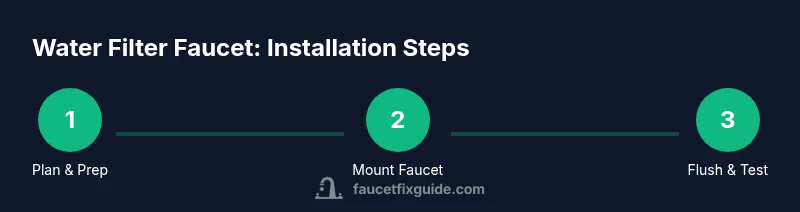
This section provides a high-level overview of the installation process to help you plan before you begin. You’ll need to turn off the cold-water supply, remove the old faucet, mount the new faucet, connect filter and supply lines, secure the faucet, and perform a leak test followed by a controlled flush of the system. The detailed, step-by-step instructions appear in the dedicated STEP-BY-STEP block for precision, including exact fittings, tightening torques, and tested leak points. In practice, the most important aspects are ensuring clean, dry surfaces, confirming all connections are hand-tight before final tightening, and verifying a secure mounting that won’t wobble under use. This overview also highlights common pitfalls, such as over-tightening connections and misaligning hoses, which can lead to leaks or reduced performance.
Maintenance and troubleshooting for long-term performance
Maintenance is the key to reliable performance from a water filter faucet. Replace cartridges as recommended by the manufacturer, typically after indicated service life or when water flow slows or taste changes. Regularly inspect and clean the aerator, fittings, and mounting hardware to prevent mineral buildup and corrosion. If you notice a leak, start by tightening connections gently and rechecking the o-rings. Chronic leaks may indicate a damaged gasket or misaligned seals that require replacement parts. Keep spare o-rings and a small amount of plumber’s tape on hand so you can quickly reseal joints. For troubleshooting, check the user manual for expected signs of a clogged cartridge, such as reduced flow or uneven water pressure. Documenting a maintenance schedule helps ensure you don’t miss cartridge replacements and filter inspections, which preserves water quality and system integrity.
Authority sources and further reading
For deeper guidance on water quality standards, filtration certifications, and best practices, consult authoritative sources:
- EPA WaterSense: https://www.epa.gov/watersense
- NSF International (focusing on filtration standards): https://www.nsf.org
- Water quality education from industry associations and university extension programs (search for relevant peer-reviewed resources and consumer guides).
These sources complement the practical steps in this guide and offer additional details on installation considerations, filtration performance, and consumer safety.
Tools & Materials
- Water filter faucet kit (includes faucet, mounting hardware, and basic connectors)(Ensure the kit includes all mounting nuts, washers, and a securing plate.)
- Adjustable wrench(For tightening fittings without overtightening.)
- Basin wrench (optional)(Helpful in tight under-sink spaces.)
- Screwdriver set (Phillips and flat-head)(For mounting screws and handle adjustments.)
- Teflon tape (plumber's tape)(Seal threads on metal fittings.)
- Bucket and towels(Catch water drips and protect surfaces.)
- Flexible supply lines (if not included in kit)(Connect faucet to cold water supply or filtration unit.)
- Replacement filter cartridge(Keep spare cartridge on hand for maintenance.)
- Silicone sealant or plumber’s putty(Optional for extra seal around deck plate.)
- Cleaning rag or spray bottle with mild soap(Clean surfaces before and after installation.)
Steps
Estimated time: 60-90 minutes
- 1
Shut off water supply and prep area
Turn off the cold-water supply valve under the sink and, if possible, the main water supply to avoid leaks. Clear the cabinet, place towels, and remove any items that might obstruct your work. This step prevents water damage and gives you a clean workspace for mounting the new faucet.
Tip: Have a small container ready to catch any residual water and label removed parts for easy reassembly. - 2
Remove existing faucet and prepare mounting hole
If you’re replacing a faucet, loosen mounting nuts and lift the old unit free. Clean the sink surface and inspect the mounting hole for any wear or cracks. If you’re reusing a deck plate, ensure it sits flat before continuing.
Tip: Take a quick photo of the old configuration to reference during reassembly. - 3
Install mounting hardware on new faucet
Assemble the new faucet’s mounting hardware according to the manufacturer’s instructions and snugly fit the base onto the sink. Hand-tighten the mounting nut, then finish with a wrench—avoid overtightening to prevent damage.
Tip: Use a basin wrench if space is tight to avoid slipping. - 4
Connect supply lines and filter housing
Attach the cold-water supply line to the faucet’s inlet and connect the filter housing to the appropriate line as directed by the kit. Use Teflon tape on threads, and tighten using a wrench until snug without over-tightening.
Tip: Double-check that all hoses are oriented correctly to prevent cross-connection. - 5
Secure faucet and check alignment
From above the sink, ensure the faucet is aligned with the mounting hole and sits securely. Tighten the mounting nut until the faucet is stable and does not rock.
Tip: If the deck is thick, consider a thicker gasket or mounting plate for a stable fit. - 6
Flush and test for leaks
Turn the water back on gradually and check all connections for leaks. Run filtered water for a few minutes to flush the new cartridge or housing, then recheck for drips.
Tip: Watch for slow leaks around threaded connections; reseat fittings if needed. - 7
Final checks and leak-free verification
Inspect under the sink for any dampness and verify the filtered water flow from the new faucet is steady. Clean up tools and wipe surfaces to finish the installation.
Tip: Keep a spare O-ring in the kit for quick seal replacements. - 8
Document maintenance schedule
Record cartridge replacement intervals and set a reminder for periodic maintenance. This helps maintain water quality and ensures your faucet continues to perform well over time.
Tip: Label the cartridge with replacement date to avoid missing maintenance.
Frequently Asked Questions
Can I install a water filter faucet myself, or do I need a plumber?
Most homeowners with basic plumbing skills can install a water filter faucet by following a reputable guide like Faucet Fix Guide. If you have unusual under-sink configurations or local codes require permits, consider hiring a professional.
You can usually do it yourself, but call a pro for tricky setups.
Will a water filter faucet affect overall water pressure?
In typical homes, the filtered water flow is similar to the standard faucet, unless the filter is clogged or you chose a high-flow model. Check cartridge condition and ensure proper connections.
Usually not, unless the filter is clogged or the setup is high-flow.
How do I know which filter cartridge to use with my faucet?
Check the faucet model’s manual for cartridge type and compatibility. Use only cartridges recommended by the faucet manufacturer to ensure proper seal and flow.
Always use a cartridge compatible with your faucet model.
How often should I replace the filter cartridge?
Follow the cartridge manufacturer’s guidance and the faucet’s maintenance schedule. Replacement timing depends on usage and water quality, so monitor performance and replace when flow or taste changes.
Follow the cartridge guide and check for changes in flow or taste.
Can I connect a water filter faucet to a reverse osmosis (RO) system?
Yes, many RO systems can feed into a dedicated filtered faucet. Verify fittings, flow, and local codes, and ensure the RO drain setup remains compliant.
Yes, but check fittings and codes first.
What maintenance steps keep a water filter faucet reliable?
Regularly replace cartridges as recommended, inspect seals, clean the aerator, and flush new cartridges per the manual. Maintain a clean, dry area to prevent corrosion.
Keep to a maintenance schedule and clean parts regularly.
Watch Video
Top Takeaways
- Plan and verify compatibility before buying
- Follow manufacturer instructions for secure mounting
- Replace filters on schedule to maintain water quality
- Test for leaks and flush before normal use