How to Install a Brita Filter on Faucet
Learn how to install a Brita filter on faucet, verify compatibility, and maintain clean, great-tasting water with a step-by-step installation guide, safety tips, and troubleshooting.


By installing a Brita filter on your faucet, you can improve taste and reduce common impurities in tap water. This quick guide covers compatibility, adapters, and a safe installation process. Gather the right tools and the correct faucet adapter, then follow the step-by-step instructions to start enjoying filtered water directly from your tap.
Understanding the Brita Faucet Filter System
Brita offers faucet mounted filtration options designed to connect directly to most standard kitchen taps. When installed correctly, these systems reduce chlorine taste and odor, improve clarity, and provide convenient filtered water without a separate pitcher. The Faucet Fix Guide team notes that, for many households, a faucet filter is a simple upgrade that avoids more invasive plumbing changes. It’s important to recognize that filter effectiveness depends on the cartridge rating and the faucet’s compatibility. Always check the model and adapter compatibility before purchasing. In general, a Brita faucet filter works by routing tap water through a compact cartridge, where contaminants are reduced and clean water exits through the faucet spout. Regular cartridge replacement is essential to maintain performance.
Compatibility and Accessory Options
Not every faucet accepts a Brita filter attachment out of the box. Compatibility depends on faucet shape (single hole vs dual handle), thread size, and the presence of an aerator. Most modern chrome and stainless steel taps use standard 55/64-27UNF threads on the adapter, but you may encounter nonstandard designs. If your faucet is unusual, you may need a universal adaptor kit or a diverter valve. Always verify that the attachment you buy matches your faucet’s thread size, and ensure the kit includes seals to prevent leaks. The choice of adapter can affect flow rate, filter lifespan, and ease of use. In some homes, you’ll install the adapter under the sink or at the base of the faucet shank to avoid interfering with other fixtures. The Faucet Fix Guide team recommends reading the product instructions closely and confirming warranty implications before starting.
Safety, Prep, and Planning
Before touching water lines, turn off the cold water supply at the under-sink valve. If you have a reverse-osmosis or existing filtration system, preserve clearance for any new lines. Gather all tools and the Brita faucet kit, lay a towel to catch drips, and have a shallow container to collect water during the install. Wear eye protection if you’re concerned about splashing. This stage minimizes the risk of leaks and damage to older faucets. It also helps you identify whether extra hardware, such as a longer supply tube or a different aerator, is needed. According to Faucet Fix Guide Analysis, 2026, planning and compatibility checks reduce installation time and post-install leaks.
Step-by-Step Installation Overview
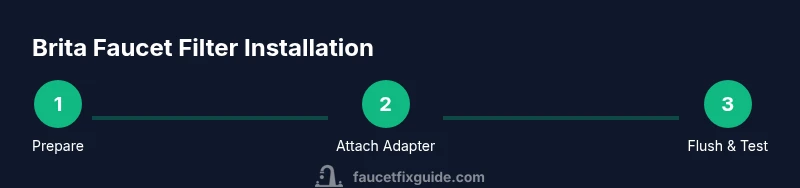
This section previews the steps you will perform during the installation, while the detailed, numbered steps appear in the STEP-BY-STEP block. Expect to work with simple hand tools, refresh water connections, and flush the cartridge before use. Proper alignment and careful tightening are key to preventing leaks and achieving good water flow. If you encounter stubborn fittings, take a short break, re-check the hardware, and reference the adapter instructions. A well-planned install minimizes drips and ensures long-term performance.
Maintenance, Troubleshooting, and Long-Term Care
Maintenance is straightforward: replace cartridges according to the product schedule, flush the system after installing a new cartridge, and inspect for leaks periodically. Clean the filter head and surrounding area to prevent mineral buildup, and avoid overtightening fittings that could crack threads. If water flow slows or taste changes, reseat the cartridge and verify that all seals are intact. Keep spare cartridges on hand and store them away from heat and direct sunlight. Regular checks save you time and protect water quality over years of use.
AUTHORITY SOURCES
For further reading and to verify best practices, consult reputable authorities. EPA guidance on drinking water and filtration can help you understand what filtration removes. CDC resources cover drinking water quality and safety. NSF International provides independent testing and standards for consumer filtration products. These sources help homeowners make informed decisions about faucet filtration and water quality.
Tools & Materials
- Brita faucet filter kit(Adapter and cartridge package, choose model for faucet type)
- Adjustable wrench(Loosen or tighten fittings without damaging surfaces)
- Teflon tape (plumber's tape)(Wrap on threaded connections to seal leaks)
- Soft cloth or towel(Catches drips and keeps surfaces clean)
- Bucket or shallow dish(Catch water during disconnections if needed)
Steps
Estimated time: 25-35 minutes
- 1
Prepare and shut off water
Turn off the cold water under the sink at the shutoff valve. Place towels to catch any moisture and clear the area around the faucet. This prevents spills and makes measurements easier.
Tip: Have a bucket handy to capture water during any valve work. - 2
Remove existing aerator and inspect threads
Loosen the faucet aerator with a wrench or by hand if possible. Clean the threaded area and check for worn gaskets. If threads are damaged, you may need an adapter or different kit.
Tip: Do not overtighten; damaged threads require careful handling or replacement parts. - 3
Attach Brita adapter to faucet
Screw the Brita adapter onto the faucet threads. Apply a small amount of Teflon tape to seal joints and prevent leaks. Make sure the adapter seats flat and isn’t cross-threaded.
Tip: If your faucet is unusual, use the universal adaptor kit included with your Brita set. - 4
Mount the filter housing and cartridge
Install the cartridge into the housing according to the kit instructions. Attach the housing to the adapter, aligning any arrows or indicators for correct flow direction.
Tip: Hand-tighten first; switch to a wrench only if needed to avoid cracking plastic components. - 5
Connect tubing and align spout
Connect any tubing from the housing to the faucet assembly and ensure the spout directs water through the filter path. Check that no kinks exist in the tubing.
Tip: Leave a little slack in tubing to prevent tension on the fittings. - 6
Flush the cartridge and check for leaks
Turn the water back on and run water through the filter for 1–2 minutes to flush out loose carbon and activate the cartridge. Watch all connections for leaks and tighten fittings if necessary.
Tip: If you see a drip, re-seat the cartridge and re-check the seals. - 7
Test final flow and finalize setup
Switch the filtered water path to the faucet outlet and test both filtered and unfiltered options if your kit supports it. Ensure smooth flow and taste before regular use.
Tip: Label replacement schedule on your calendar to maintain water quality.
Frequently Asked Questions
Is a Brita filter on faucet compatible with all faucet types?
Most standard faucets accept the Brita faucet filter with the proper adapter. Nonstandard or unusual faucet designs may require a universal adapter kit or a different mounting approach. Always verify thread size and kit compatibility before purchasing.
Most standard faucets work with the Brita filter if you have the right adapter. For unusual faucets, you may need a universal adapter kit.
Do I need to remove the faucet aerator when installing?
Yes, in many cases you will remove the existing aerator to expose faucet threads for the Brita adapter. If the aerator cannot be removed, use the adapter designed to fit over it. Always ensure a snug seal when reinstalling.
Often you’ll remove the aerator, but if it won’t come off, use the adapter that fits around it.
How often should I change the Brita cartridge?
Cartridge replacement frequency depends on usage and model. Check the kit instructions for the recommended interval and considerung a spare cartridge for quick replacements. Regular changes ensure optimal taste and filtration.
Change the cartridge as recommended by the kit, and keep a spare handy.
What if there is a leak after installation?
If you notice a leak, tighten connections gradually, reapply Teflon tape, and inspect seals. Leaks often come from a loose connection or a damaged washer. If the leak persists, you may need a different adapter or gasket.
Tighten connections and check seals. If leaks stay, you may need a different gasket.
Will installing a Brita faucet filter affect water pressure?
A properly installed filter should not cause a meaningful pressure drop. Some adapters or long tubing can affect flow; choose a model that maintains adequate pressure for your needs and flush the line after installation.
If installed correctly, pressure should stay normal; if you notice a drop, check fittings and tubing.
Can I switch between filtered and unfiltered water on a single faucet?
Some Brita kits allow toggling between filtered and unfiltered water via a diverter valve. If your kit does not, filtered water is always directed through the cartridge. Read the instructions to understand the available configurations.
If your kit supports it, you can switch paths; otherwise, all water goes through the filter.
Watch Video
Top Takeaways
- Check faucet compatibility before buying.
- Shut off water and prep area to prevent leaks.
- Use Teflon tape on threads for a tight seal.
- Flush cartridge 1–2 minutes to activate filtration.
- Inspect leaks and maintain replacement schedule.