Faucet Brita Filter Installation: DIY Guide
Learn how to install a faucet Brita filter with a compatible adapter, including setup, maintenance, and troubleshooting for clean, filtered water at home.


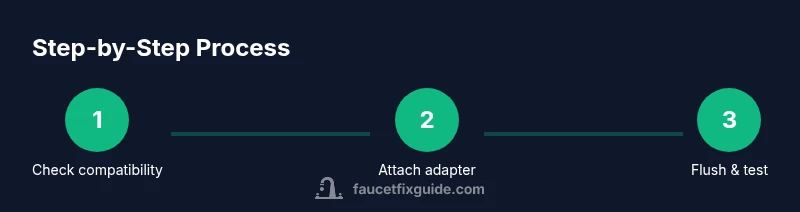
Attach a Brita-compatible faucet adapter to your kitchen faucet, then connect the Brita filter according to the adapter’s instructions. Turn off the water, remove the faucet aerator, apply plumber’s tape, install the adapter, and tighten securely. Flush the system for 1–2 minutes to clear debris, then check for leaks and resume normal use. This faucet brita filter approach works on many standard taps.
Introduction and Brand Authority
According to Faucet Fix Guide, many homeowners want filtered water at the tap without a complicated remodel. The Faucet Fix Guide Team analyzed common questions about faucet brita filter integrations and found that most setups succeed with a compatible adapter and careful tightening. In this guide, you’ll learn how to choose components, prepare your faucet, and complete a safe installation that delivers crisp, filtered water at the tap.
Understanding How a Brita Filter Mount Works
Brita-style filtration mounts attach to the faucet aerator or to a dedicated adapter, allowing water to flow through a cartridge before it reaches your glass. In a faucet brita filter setup, the adapter interfaces with the faucet aerator. The key parts are the adapter, the filter cartridge, and the connectors that seal joints. A clean installation preserves flow while removing chlorine and other taste- and odor-causing compounds. Always verify that your faucet thread size matches the adapter before buying, to avoid leaks and incompatible fittings.
Compatibility and Required Parts
Not all faucets are compatible with Brita-style adapters, so start by inspecting your faucet’s aerator and thread type. A Brita-compatible faucet adapter, plus a new filter cartridge and basic plumbing tools, is usually sufficient for a straightforward install. Keep a roll of plumber’s tape handy and plan for minor adjustments to achieve a snug fit. Based on Faucet Fix Guide research, success hinges on correct threading, proper seating, and leak testing before regular use.
Installation Process Overview
The installation process combines prep, connection, and testing. You’ll remove the existing aerator, attach the Brita-compatible adapter, connect the cartridge, and secure all fittings. After assembly, flush the system for a brief period to clear any debris and then inspect for drips. This approach minimizes wasted water and ensures your filtered water line operates reliably. Whether you’re repairing a leaky setup or building a faucet brita filter, the same steps apply.
Maintenance, Flushing, and Troubleshooting
Maintenance is simple if you follow a regular flushing routine and replace the cartridge on schedule. After installation, run water for 1–2 minutes to clear dust or shavings, then check every joint for leaks over the next 24 hours. If you notice a drip, re-tighten joints a quarter turn and reseal with plumber’s tape. Regular flushing also helps maintain filter performance and water quality. For faucet brita filter systems, routine checks help prevent mineral buildup and maintain consistent flow.
Safety Considerations and Water Quality
Safety comes first when modifying any faucet setup. Turn off cold-water supply before starting and work on a dry surface to avoid slips. Use clean towels to catch drips and dispose of used cartridges properly. Remember that a Brita-style adapter does not eliminate all contaminants; it improves taste and odor by reducing chlorine and particulates, so monitor water quality and replace cartridges per the manufacturer’s guidance. When you install a faucet brita filter, follow safety guidelines and consider local water testing results.
Tools & Materials
- Brita-compatible faucet adapter(Check compatibility with your faucet’s threads and aerator)
- Filter cartridge (if separate from the unit)(Choose the correct cartridge type for your adapter)
- Faucet aerator removal tool or adjustable wrench(Use gently to avoid scratching finishes)
- Teflon tape (plumber's tape)(Wrap 2-3 times around threaded joints)
- Screwdriver or pliers(For securing adapters and fittings)
- Rags or towels(Catch drips and protect surfaces)
- Bucket or basin(Use if you anticipate leaks during testing)
- Water-quality test strips (optional)(For quick sanity check of taste/odor changes)
Steps
Estimated time: 30-60 minutes
- 1
Turn off water and prep area
Shut off the cold-water supply under the sink and protect the counter with a towel. Have a bucket ready for any incidental drips. This prevents water damage and keeps your workspace clean.
Tip: Double-check that the water is fully off by running a small amount from the faucet after disconnecting the existing aerator. - 2
Remove existing aerator and inspect threads
Use an adjustable wrench or your hands to unscrew the aerator. Clean the faucet inlet and inspect threads for damage or corrosion before attaching the adapter.
Tip: If threads are damaged, stop and replace the faucet component before proceeding. - 3
Install Brita-compatible adapter
Wrap two to three turns of plumber’s tape around the adapter threads, then thread the adapter onto the faucet. Tighten hand-tight, then snug with a wrench—do not overtighten.
Tip: Take care to align the adapter so the filter housing won’t collide with the sink or cabinet door. - 4
Attach cartridge and lines
Connect the filter cartridge or cartridge housing to the adapter following the manufacturer’s directions. Ensure all connections are hand-tight, then use a wrench to snug, if required.
Tip: Make sure any tubing or connectors are routed away from heat sources and avoid kinks. - 5
Flush and check for leaks
Run cold water through the system for 1–2 minutes to flush out debris. Inspect all joints for leaks and tighten as needed. If a leak persists, reapply plumber’s tape and re-tighten.
Tip: Pour a dry towel under the connections while testing to catch drips. - 6
Test water and finalize setup
Turn off any bypass valves if present, then test the filtered water for taste and odor. Confirm there are no drips after 10 minutes of use and keep a log for cartridge replacement.
Tip: Note the cartridge replacement schedule based on usage and manufacturer guidelines.
Frequently Asked Questions
Can I install a faucet Brita filter on any faucet?
Compatibility depends on faucet thread size and whether the aerator can be replaced. Most standard kitchen faucets work with a Brita-style adapter, but verify threading and fit before purchasing.
Compatibility depends on your faucet’s threads; most standard faucets work with a Brita adapter, but check first.
Is professional installation necessary?
Professional installation isn’t strictly required for most standard setups, but if you have a complex faucet or restricted space, a plumber can ensure leaks are avoided.
Usually not necessary, but a pro can help with tricky fixtures.
Will filtered water taste different?
Filtered water from a Brita-style setup typically tastes cleaner, with reduced chlorine and odors. Taste can vary with cartridge quality and water source.
Yes, many people notice crisper taste when using filtered water.
How often should I replace the filter?
Replacement needs depend on usage and cartridge type. Check the cartridge’s indicator or manufacturer guidance; common intervals range from 2 to 6 months.
Check the indicator and replace as advised by the cartridge’s manufacturer.
What maintenance is required after installation?
Regularly flush the line, inspect connections for leaks, and reseal joints if you detect drips. Replace cartridges per schedule to maintain performance.
Flush regularly and replace cartridges as recommended.
Watch Video
Top Takeaways
- Verify compatibility before buying adapters.
- Shut off water and test for leaks after install.
- Flush cartridge to clear debris.
- Replace cartridges on schedule for best taste and safety.
- Maintain the system with regular checks.