Why Does My Faucet Make Noise? Troubleshooting Guide
Learn how to diagnose and fix noisy faucets with safe, DIY steps. From water hammer to worn cartridges, identify causes and apply fixes quickly.


Most faucet noises come from water hammer, a loose valve, a worn cartridge, or an aerator not seated properly. Start by turning off the water, then inspect for loose handles or supply lines, tighten fittings, clean the aerator, and replace the cartridge if the noise persists. If it’s still loud, contact a licensed plumber.
Why does my faucet make noise
If you're wondering why does my faucet make noise, you're not alone. Faucets are relatively simple devices, but even a small wear point or blockage can turn smooth operation into a sharp knock, squeal, or rattle. In many homes the main culprits are water hammer from sudden pressure changes, a loose handle or supply line, a worn cartridge or valve seat, or an aerator that’s clogged or not seated properly. Recognizing the sound helps you pick the right fix quickly. This guide from Faucet Fix Guide will help you diagnose the cause and walk you through practical, safe fixes you can perform as a homeowner or DIY enthusiast. The aim is to get quiet operation without unnecessary disassembly. Understanding why does my faucet make noise is the first step toward a lasting solution.
Quick Checks You Can Do Before Disassembly
Before you turn screws and remove parts, perform a few quick checks. First, locate the shut-off valves under the sink and turn them clockwise to close them; this minimizes the risk of leaks when you work. See if the noise occurs with both hot and cold sides; if only one side is noisy, the issue is likely related to that side’s cartridge or aerator. Inspect for visibly loose supply lines or a loose handle and tighten accordingly. Remove and inspect the aerator at the faucet end by unscrewing it with pliers or by hand; clean mineral deposits with vinegar and a soft brush. If the aerator looks intact and the noise persists, the next steps focus on internal components like the cartridge. This process reduces potential damage and helps you diagnose why your faucet makes noise.
Common Causes in Plain English
This section breaks down the typical noise sources in plain terms. Water hammer happens when a valve closes abruptly and the water column in the pipes slams against the walls, producing a banging or hammering sound. A loose handle, faucet stem, or supply line can rattle during use. A worn cartridge or valve seat can hum, buzz, or squeal as pressure changes. A clogged aerator or a partially blocked valve can cause a sputtering or fluttering noise. Finally, unusually high water pressure can intensify all noises. By identifying which sound matches your situation, you can target the fix efficiently. If you’re asking why does my faucet make noise, the most common causes are often straightforward replacements or adjustments.
Step-by-Step Troubleshooting Plan
This is the core plan you’ll follow. Start with the simplest actions and progress toward component replacement if needed. Follow this flow: 1) Shut off all water to the faucet; 2) Check for visible looseness; 3) Remove and inspect aerator; 4) Disassemble handle to inspect cartridge; 5) If cartridge is worn or seat is corroded, replace; 6) Reassemble and test; 7) If noise continues beyond these steps, evaluate water pressure and call a plumber. Each step reduces risk and helps isolate the issue. This approach also helps you build a clear record if you need to justify professional help for persistent noise.
Safety, Tools, and Safe Disassembly
Safety comes first. Wear eye protection and gloves; avoid metal tool bites on chrome finishes. Gather a set of common tools: adjustable wrench, screwdriver, bucket, towels, thread seal tape, replacement cartridge, and new aerator if needed. Always close the shut-off valves first and relieve pressure by opening the faucet until it runs dry. When disassembling, take photos or lay out parts in order to reassemble correctly. If you encounter corrosion, or if parts are stuck, stop and consult a professional. This section is essential to ensure you don’t create new issues while diagnosing why your faucet makes noise.
Preventing Noises in the Future
After you fix the noise, take preventive steps. Regularly clean the aerator and remove mineral buildup using vinegar so it never accumulates to the point of restricting flow. Replace worn cartridges or valve seats every few years, as recommended by the faucet manufacturer. Consider installing a water hammer arrestor or adjusting water pressure if your home has high pressure. Also, use compatible washers and seals to prevent leaks and looseness that cause noise. Proactive maintenance helps ensure the answer to why does my faucet make noise stays resolved for longer.
How to Test and Verify Your Fix
Turn the water back on slowly, then run both hot and cold taps for a few minutes to clear air and verify there is no more noise. Listen for soft ticking or chattering; any persistent noise should be examined for a hidden leak or an undersized flow path. If you still hear noise after all steps, repeat the inspection focusing on cartridge seating, valve seat wear, and supply-line stability. Document all changes so you can revert if something causes a new issue. This final verification is essential to confirm you’ve addressed why your faucet makes noise.
Steps
Estimated time: 60-90 minutes
- 1
Shut off water and prep area
Close the shut-off valves under the sink and drain the faucet to disable water flow. Place towels and a bucket to catch drips. Label or photograph parts as you remove them to aid reassembly.
Tip: Take photos from multiple angles before disassembly. - 2
Inspect exterior components
Check the faucet handle, bonnet, and supply lines for looseness or visible wear. Gently tighten any loose parts; avoid overtightening plastic components which can crack.
Tip: Use the right size screwdriver to avoid stripping screws. - 3
Remove and inspect aerator
Unscrew the aerator from the faucet mouth with pliers or by hand. Soak in vinegar to dissolve mineral deposits, then scrub with a soft brush and rinse before reassembling.
Tip: If threads are damaged, replace the aerator instead of forcing it. - 4
Disassemble the handle to inspect the cartridge
Remove any decorative cap, loosen the screw, and carefully pull out the cartridge. Inspect seals for wear or cracking and clean debris from the valve body.
Tip: Note the cartridge orientation for correct reinstallation. - 5
Replace cartridge or reseat valve
If the cartridge shows wear, replace with an exact match. If the valve seat is corroded, consider professional replacement. Reassemble components in reverse order.
Tip: Apply a thin layer of plumber's tape on threaded connections. - 6
Test and verify
Turn the water back on slowly and run hot and cold for several minutes to check for noise and leaks. Recheck fittings after a few hours of use.
Tip: Keep notes on changes to track what fixed the issue.
Diagnosis: Faucet makes banging or squeaking noises when turning on/off
Possible Causes
- highWater hammer from sudden pressure change
- mediumLoose faucet handle, stem, or supply line
- mediumWorn cartridge or valve seat
- lowClogged or partially blocked aerator
- lowHigh home water pressure
Fixes
- easyShut off water and install or reset a water hammer arrestor; consider adjusting main pressure if possible
- easyTighten loose fittings and handles
- mediumReplace worn cartridge or valve seat
- easyClean or replace aerator
- hardConsult a plumber if high pressure or pipe issues persist
Frequently Asked Questions
Why does my faucet make knocking sounds when I turn it off?
Knocking typically indicates water hammer from sudden valve closure. Install an air chamber or water hammer arrestor and inspect for loose pipes. Recheck fittings after fixes.
Knocking sounds usually mean water hammer; installing an arrestor and tightening fittings often resolves it.
Can cleaning the aerator stop faucet noise?
Yes. Mineral buildup can cause vibration or restricted flow. Remove the aerator, soak in vinegar, scrub gently, and rinse before reassembly.
Cleaning the aerator can reduce noise from mineral buildup.
When should I replace the faucet cartridge?
If noise persists after aerator cleaning and tightness checks, the cartridge may be worn. Replace with a matching cartridge and reseat the valve.
If the noise sticks around after basic checks, the cartridge is likely worn.
How can high water pressure affect faucet noise?
High pressure can amplify noises and cause leaks. Test with a pressure gauge and adjust regulators or contact a pro if needed.
High water pressure can make noises louder; check pressure and adjust if possible.
Is it safe to attempt these fixes myself?
Many fixes are DIY-friendly if you follow safety steps. If you’re unsure or leaks persist, call a plumber.
DIY fixes are often fine, but if you're unsure or leaks continue, hire a plumber.
When should I call a plumber for faucet noises?
If you cannot locate the noise source, or if pipes behind walls leak or creak, it’s time to consult a professional.
Call a plumber if you can't pinpoint the issue or if leaks appear.
Watch Video
Top Takeaways
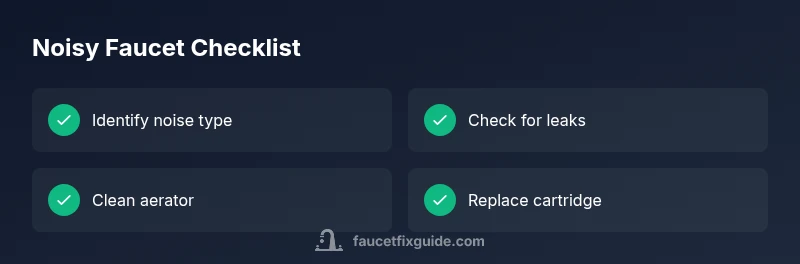
- Identify noise type to target the fix.
- Start with safe, simple checks before disassembly.
- Replace worn cartridges or aerators as needed.
- Verify fix with thorough testing and documentation.