Why Is My Tap So Loud? A Practical Troubleshooting Guide
Urgent, actionable steps to diagnose and fix a loud faucet. Learn common causes, safe fixes, and when to call a pro with Faucet Fix Guide.


Why is my tap so loud? The most common culprits are water hammer from a sudden valve shut-off and a loose aerator or valve washer. To fix quickly, shut off the water, remove and clean the aerator, re-tighten the nut, and test. If the noise returns, install a water hammer arrestor or tighten adjacent pipes. For persistent issues, call a licensed plumber.
Understanding Why Your Tap Is Loud
According to Faucet Fix Guide, loud taps are most often caused by water hammer or a loose aerator. When a valve shuts quickly, the sudden pressure surge makes pipes rattle and the faucet emit a banging or thumping sound. Aerators can accumulate mineral buildup or debris over time, causing a vibrating stream that amplifies through the spout. High water pressure, loose mounting hardware, or worn cartridge washers can also contribute to noise. Recognizing the source is half the fix, because the corrective steps differ between air, pressure, and mechanical issues. In the following sections, we’ll walk through quick checks and reliable repairs that homeowners can perform safely.
Quick Checks You Can Do Now
Start with simple, non-destructive checks before disassembling fixtures. These quick checks can identify the simplest fix and prevent unnecessary parts replacement:
- Inspect the aerator: Remove the aerator screen, rinse debris, and reinstall snugly.
- Check for loose handles or mounting nuts: A loose fixture can vibrate and amplify sound.
- Listen to hot vs cold: If one side is louder, the cartridge or supply line on that side may be the culprit.
- Assess nearby supply lines: Look for loose pipes behind the wall or under the sink where vibration travels.
- Test with other taps: If all taps hammer, the issue is likely water pressure or main supply; if only one, focus on that faucet.
Common Causes in Detail
Water Hammer (Shock) from Quick Valve Closure
When you shut off a valve quickly, the surge reflects in the pipes as a thud or rattling. This is especially common in older homes with metal lines.
Loose Aerator or Washer
A dirty or worn washer can vibrate or buzz as water flow changes direction inside the faucet.
High Water Pressure
Pressure above the recommended 40-60 psi can make pipes vibrate and rattling noises louder, particularly in the crawlspace or behind cabinets.
Worn Cartridge or Valve Seat
A worn cartridge can chatter as the valve bed contacts misaligned components.
Loose Pipes or Brackets
If supply lines are not tightly secured, mineral buildup and water flow can cause movement that translates to noise.
Note: If you hear a loud banging or hammer when using multiple fixtures, the issue is more likely with main supply pressure or air in the lines.
Step-By-Step Fixes for the Most Likely Cause
Below is a practical sequence you can follow to address the most common culprits. After each step, test the faucet to gauge progress. If you’re unsure, stop and seek professional help to avoid damaging plumbing.
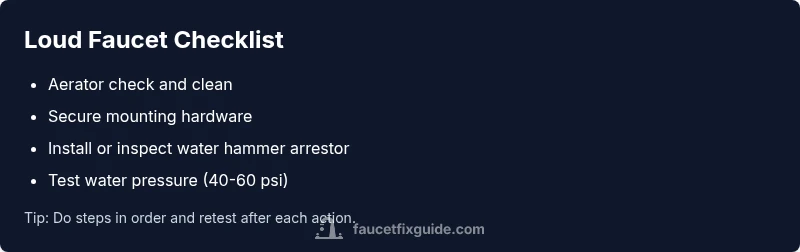
- Identify the noisy faucet source
- Shut off the water supply to that faucet and relieve pressure
- Remove the aerator and inspect for debris
- Clean the aerator screens and threads, then reassemble
- Tighten the faucet’s mounting nut and handle screw if loose
- Re-test; if clicking or banging persists, install a water hammer arrestor or check nearby lines
- Check overall home water pressure; adjust the regulator if needed
- If noise remains, contact a licensed plumber
Safety, Warnings, and When to Call a Pro
Working on plumbing involves water pressure, sharp tools, and potential leaks. Always shut off the main supply before disassembly. Avoid forcing stuck components; use proper PPE, and avoid metal fragments falling behind cabinets. If you notice corroded pipes, frequent leaks, or if the noise originates from behind walls where you can’t inspect safely, contact a licensed plumber.
Prevention and Long-Term Care
To keep taps quiet, perform regular aerator cleaning, install water hammer arrestors on new fixtures, and maintain stable pipe mounting. Check water pressure periodically and replace aging washers and cartridges as part of routine maintenance. A small upfront effort saves bigger noise problems later.
Steps
Estimated time: 45-75 minutes
- 1
Identify the noisy faucet source
Listen at hot and cold taps to determine if the noise originates from one faucet or multiple fixtures. Compare sounds when turning on and off and note whether only cold or hot side is louder.
Tip: Use a helper to stand behind the faucet and localize the sound. - 2
Shut off the water supply
Close the shutoff valve under the sink (or main supply if needed) to relieve pressure. Open the faucet to drain residual water and prevent splashes.
Tip: Keep a bucket handy for drips and protect your eyes with safety glasses. - 3
Inspect the aerator
Unscrew the aerator from the spout, remove debris, and rinse. If the screen is damaged, replace the aerator.
Tip: Use a small brush to gently remove mineral buildup without scratching the screen. - 4
Clean and reseat the aerator
Reassemble the aerator securely, ensuring threads are clean and seated. Hand-tighten firmly—avoid overtightening.
Tip: Wipe threads with a rag to ensure a clean seal. - 5
Tighten mounting hardware
Check the mounting nut under the sink and tighten until the faucet feels snug. Recheck for any wobble or movement.
Tip: Only tighten until snug; overtightening can crack fixtures. - 6
Address water hammer
If noise persists, install a water hammer arrestor on the affected line following the manufacturer’s instructions.
Tip: Place arrestors as close as possible to the faucet for best results. - 7
Test water pressure
Use a pressure gauge to verify you’re within 40-60 psi. Adjust or install a regulator if needed.
Tip: Test at several fixtures to confirm the issue is resolved across the home. - 8
Call a professional if needed
If the noise continues after these steps, a licensed plumber should inspect for hidden pipe issues or faulty cartridges.
Tip: Document leaks, corrosion, or unusual sounds to share with the pro.
Diagnosis: Loud tapping or banging from a faucet when turning it off or on
Possible Causes
- highWater hammer from rapid valve closure
- highLoose or worn aerator/washer
- mediumHigh water pressure causing system-wide hammer
Fixes
- easyShut off water, inspect/clean aerator, and tighten fittings
- mediumInstall or adjust a water hammer arrestor
- mediumAdjust water pressure or install a regulator
Frequently Asked Questions
What causes a faucet to be loud?
Loud faucets are usually due to water hammer or a worn aerator/washer. Starting with aerator cleaning and securing fittings often resolves the issue.
Loud faucets are usually water hammer or worn aerator; start with cleaning and tightening the parts.
Is water hammer dangerous?
Water hammer can stress pipes and joints over time, potentially causing leaks or damage. It’s best addressed promptly.
Yes, it can damage pipes over time—address it soon.
Will cleaning the aerator fix the noise?
Often yes. Debris in the aerator can vibrate and amplify noise; cleaning or replacing it is a common first step.
Usually cleaning the aerator fixes the issue.
When should I replace the faucet cartridge?
If the noise persists after aerator and mounting checks, the cartridge may be worn and require replacement.
If the noise continues after basic fixes, the cartridge might be worn.
Can I install a water hammer arrestor myself?
Yes, you can install a hammer arrestor on the affected line by following manufacturer instructions. If unsure, hire a pro.
You can install one, but follow the directions or call a pro.
Watch Video
Top Takeaways
- Identify the noise source quickly.
- Start with aerator cleaning and tightening connections.
- Address water hammer with arrestors or plumbing adjustments.
- Test after each step to confirm progress.
- Call a pro if the noise persists.