How to Make Shower Faucet Hotter: Safe, Step-by-Step Guide
Learn practical, safe steps to make your shower faucet hotter. Inspect mixing valves, adjust water heater temps, and test carefully to avoid scalding.


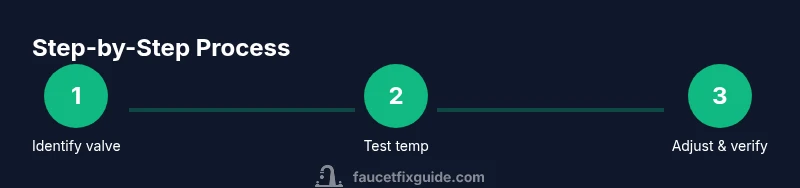
How to make shower faucet hotter? According to Faucet Fix Guide, begin with testing the shower's mixing valve to ensure it’s delivering hot water. Then check and adjust the water heater setpoint, and finally test the outlet temperature with a thermometer. Proceed slowly to avoid scalding, and repeat in small increments.
How to make shower faucet hotter safely
According to Faucet Fix Guide, many chilly showers happen because a home's mixing valve or water heater is not delivering hot water as intended. If you’re facing a cool shower, the first step is not cranking the faucet to full heat; you risk scalding and wasting water. Instead, start with a safety-first assessment of both the mixing valve and the heater. This block explains the key concepts that determine shower temperature and how a homeowner can approach adjustments without compromising safety. You’ll learn how to identify whether the issue is upstream in the heater or downstream in the faucet, and what to check before making any changes. By following these fundamentals, you’ll gain confidence to tackle the problem in measured, repeatable steps. The Faucet Fix Guide team emphasizes that patient, incremental testing is safer and more effective than large, abrupt changes.
How shower mixing valves regulate temperature
Shower valves govern the mix of hot and cold water that reaches the head. There are two common types you’ll encounter: thermostatic mixing valves (TMVs) and pressure-balance valves. TMVs are designed to hold a steady outlet temperature, even if incoming hot water fluctuates. Pressure-balance valves prioritize preventing sudden temperature surges when someone else runs water elsewhere in the house. In either case, a faulty cartridge, worn seals, or a misadjusted screw can cause noticeable temperature shifts. If you suspect the valve is the culprit, note the symptoms (creeping heat, sudden cold blasts, or inconsistent flow) and plan a controlled inspection. The goal is to identify whether the valve needs adjustment, cleaning, or cartridge replacement.
Testing and diagnosing a cold shower: practical steps
Start by flushing the line to ensure hot water is actually available at the fixture. Run the shower for about 30 seconds to reach a stable temperature, then measure the outlet with a digital thermometer or an infrared thermometer aimed at the stream for a quick read. Compare these readings to the heater’s setpoint and any manufacturer’s guidance. If temperatures remain stubbornly cool, the issue may lie with the valve internals or with upstream hot-water delivery. Small changes in the valve’s adjustment screw or cartridge orientation can produce meaningful temperature differences without overhauling your plumbing.
Inspecting the water heater and setpoint: what to adjust
Water heater temperature is a major driver of how hot the shower gets. If you consistently find the water too cool, inspect the thermostat or heating element (for electric units) or the gas control/thermometer for gas models. For safety, never set a heater thermostat to dangerous high levels; aim for a safe temperature that reduces scald risk while still providing adequate hot water. In many homes, a common safety guideline is to avoid temperatures above roughly 120°F (49°C), which minimizes burn risk while keeping showers comfortable. If you’re unsure, consult your heater’s manual or a professional. Faucet Fix Guide emphasizes gradual changes and verifying results after each adjustment.
Step-by-step quick-start plan you can follow today
- Locate the shower mixing valve and confirm it’s the source of temperature control. 2) Test the current outlet temperature at the shower head using a thermometer. 3) Inspect and, if needed, replace the exposed cartridge in the valve. 4) Check the water heater setpoint and adjust by small increments. 5) Re-test at the shower head after each change. 6) If temperatures still fail to reach your target, consider upgrading to a thermostatic mixing valve for steadier performance. 7) Verify safety features (anti-scald valves) are functional. 8) Document the final settings for future reference and adjust as needed. This plan keeps changes incremental and easy to rollback.
Common mistakes to avoid and safety reminders
Avoid turning the heater up to maximum in a single step—this creates a high burn risk and wastes hot water. Do not bypass the anti-scald feature or ignore mixed-temperature symptoms. Always test with an appropriate thermometer rather than relying on touch alone, and shut off power to electric heaters when performing internal inspections. If you encounter unfamiliar valve systems, stop and seek professional help rather than forcing components.
Realistic expectations and when to upgrade hardware
Many homes cannot reach a significantly hotter shower without addressing the valve or heater design. If you have a modern pressure-balance valve, you may need valve maintenance or cartridge replacement rather than simply raising heater temps. If the heating system is old, undersized, or undersupplied, upgrading to a larger or more efficient heater can be a better long-term solution than repeated minor adjustments. The Faucet Fix Guide Team recommends evaluating both valve condition and heater capacity for sustainable results.
Authority sources and further reading
- https://www.energy.gov/energysaver/water-heating
- https://www.cdc.gov/healthywater/hygiene/showering-water-safety.html
- https://www.osha.gov
Tools & Materials
- Adjustable wrench(to loosen fittings behind the shower valve and handle)
- Screwdrivers (Phillips and flat-head)(to remove handle and cartridge screws)
- PTFE plumber's tape(for resealing threaded connections)
- Digital thermometer or infrared thermometer(to measure outlet temperature accurately)
- Bucket or towels(to catch water and keep area clean)
- Rubber gloves(protect hands during disassembly)
- Replacement cartridge or valve kit (optional)(only if internal wear is detected)
Steps
Estimated time: 60-90 minutes
- 1
Locate the mixing valve
Identify where the bathroom shower mixing valve is located and determine the cartridge type. This helps you know what internal parts may need adjustment or replacement. Use photos to document orientation before disassembly.
Tip: Take clear photos of valve orientation before removing any screws. - 2
Test shower water temperature
Run the shower for 30 seconds to reach a stable temperature, then measure the outlet with a thermometer. Compare to your heater setpoint and note whether you consistently hit too-cold readings.
Tip: Use a thermometer and measure at multiple points in the stream. - 3
Remove the handle to access the cartridge
Use an appropriate screwdriver to remove the handle, exposing the cartridge and any adjustment screws. Keep screws organized so you can restore the original setup if needed.
Tip: Work slowly and keep track of small parts. - 4
Inspect or replace the cartridge
Look for wear, cracks, or buildup on the cartridge. If it’s worn, replace with a compatible cartridge to restore proper hot water flow.
Tip: Replace only with the exact model or a compatible equivalent. - 5
Adjust the mixing valve if adjustable
If your valve has an adjustable stop or maximum temperature screw, turn it slightly toward warmer settings by small increments and retest.
Tip: Make iterative changes of 1–2 degrees and test before proceeding. - 6
Check the water heater thermostat
Locate the thermostat on the heater (gas or electric) and verify it is functioning. If you’re unsure, consult the manual or a professional before changing settings.
Tip: Always power down electric heaters before touching thermostats. - 7
Increase the heater setpoint in small steps
Raise the heater’s temperature setting by 5–10°F (or the equivalent in °C) and wait 15–20 minutes before testing again at the shower.
Tip: Do not exceed safe operating temperatures; unrealistic high temps raise scalding risk. - 8
Re-test and verify safety features
Test the final outlet temperature, and confirm anti-scald features are still functioning. Record the final settings for future reference and adjustments.
Tip: If any reading feels too hot on skin, back off the temperature immediately.
Frequently Asked Questions
What causes a shower to be colder than expected?
Common causes include a faulty mixing valve, worn cartridge, or an underperforming water heater. Start by testing the valve and measuring the outlet temperature, then inspect the heater setpoint.
Colder showers are usually due to a valve issue, a worn cartridge, or a heater setting that’s too low. Start with valve testing and temperature checks.
Is it safe to increase the water heater temperature to heat the shower?
Raising the heater temperature can help, but avoid high temps that increase scald risk. Many codes recommend keeping hot water around 120°F (49°C) for safety.
You can raise the heater temperature a bit, but don’t go too high. A common safety target is about 120 degrees Fahrenheit.
How do I test shower water temperature accurately at home?
Use a digital or infrared thermometer to measure the water temperature at the shower head after the water runs for 30 seconds. Compare to the heater setting and adjust accordingly.
Measure the outlet with a thermometer after it runs for a bit, then adjust as needed.
Do thermostatic mixing valves differ from pressure-balancing valves?
Thermostatic valves aim for a constant temperature, while pressure-balancing valves focus on preventing sudden temperature changes if water pressure shifts. Both can fail if cartridges wear out.
Thermostatic valves try to keep a steady temperature; pressure-balancing valves prevent sudden changes. Both may need maintenance.
When should I call a professional?
If you’re unsure about disassembly, the valve type, or you encounter gas/electric components, it’s safer to consult a licensed plumber or technician.
If in doubt about wiring, gas, or valve internals, call a licensed plumber.
Watch Video
Top Takeaways
- Test temps safely before adjustments.
- Increase heat in small increments and re-test.
- Check anti-scald features and valve condition.
- Call a professional if you’re unsure or uncomfortable with any step.