How to Fix Faucet Drip: A DIY Guide for Homeowners
Learn to diagnose and fix a leaking faucet with easy, safe steps. This comprehensive guide from Faucet Fix Guide covers tools, step-by-step actions, maintenance tips, and when to call a pro.


With this guide you will fix a faucet drip quickly and confidently. You’ll learn how to identify the cause, gather essential tools, and perform a safe, step-by-step repair for cartridge, compression, or aerator leaks. This DIY approach reduces water waste and can save money. Follow the steps below, and remember: always shut off water before you begin and test for leaks after reassembly.
Understanding the mechanics of a faucet drip
A dripping faucet wastes water and signals worn parts. In most homes, the drip originates at the valve seat or the cartridge. When you open and close the handle, a washer or seal must stop the flow. Over time, mineral buildup, corrosion, and general wear reduce the seal’s ability to seal, allowing a leak even when the faucet is off. Understanding the basic anatomy of your faucet type helps you diagnose the issue quickly and choose the right repair path. In modern fixtures, cartridge-based designs control the flow and shutoff, while compression faucets rely on washers seated on a valve stem. A drip that continues after you close the handle often points to a worn seal, a damaged cartridge, or a mis-seated valve. By identifying the likely culprit, you’ll save time and spare parts. As you work, keep a towel or small bucket handy to catch any residual water and avoid a slippery mess.
Common causes of faucet drips (by faucet type)
Faucet drips fall into a few common categories: cartridge faucets, compression faucets, and aerator leaks. For cartridge faucets, wear at the cartridge seals or seats can let water flow around the cartridge. Compression faucets leak where the seat and washer wear down. Aerator leaks usually come from a loose, clogged, or worn aerator screen. The exact parts vary by brand and model, so identify your faucet style before selecting replacements. The Faucet Fix Guide analysis shows that worn cartridges and damaged washers are the most frequent culprits across many homes, followed by mineral buildup at valve seats. Regular maintenance such as cleaning aerators, inspecting seals, and replacing aged parts can dramatically reduce drip frequency. If you notice a drip that worsens with water pressure, start by inspecting the handle, then trace the leak to its source. Even a small drip can waste dozens of gallons per year if left unaddressed.
Tools and materials you’ll need for a DIY fix
Before you start, gather these essentials:
- Adjustable wrench (required): Covers most compression and cartridge faucets
- Screwdrivers (Phillips and flat-head) (required): For handle and cover plates
- Allen wrench (required): Some handles use a hex screw
- Replacement cartridges or washers (optional but often necessary): Have the right size for your faucet
- Replacement O-rings, seals, and valve seats (optional): Fresh seals reduce future leaks
- Teflon tape (required): Helps seal threaded connections
- Rags and a small bucket (required): Catch drips and keep the area clean
- Marker or tape (optional): Label parts during disassembly for easy reassembly
Step-by-step overview of the fix (high-level)
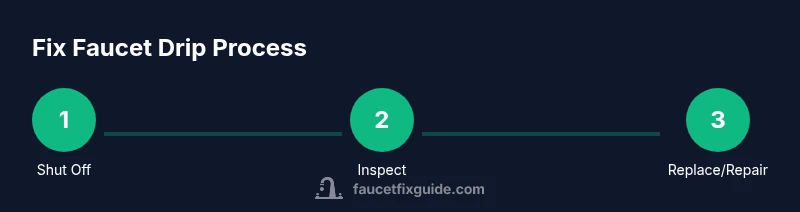
This overview gives you the flow of a typical DIY cartridge, compression, or aerator leak repair. Start by turning off water and draining the line, then remove the handle to access the internal parts. Inspect seals, washers, and cartridges for wear or cracks. If needed, replace worn components, reassemble, and test for leaks with the water restored. The exact replacement parts vary by faucet type, so confirm part compatibility before buying. This overview helps you plan your attack and avoid unnecessary parts purchases. Remember to work patiently and keep track of small parts as you go.
Fixes for cartridge, compression, and aerator leaks
Cartridge leaks often come from worn seals or a failing cartridge. Replacing the cartridge or seals restores a tight seal and stops drips. Compression faucets rely on a rubber washer and a metal seat; when these wear, the faucet drips at the handle or spout. Aerator leaks can be prevented by cleaning or replacing the aerator screen and tightening the housing. Each faucet has a slightly different repair path, but the principles are the same: replace worn parts, reseal threaded connections with care, and test before concluding. Following these steps, you’ll reduce the chance of a recurring drip and extend the life of your fixture.
Maintenance to prevent future drips
Prevention starts with regular inspection and cleaning. Clean aerators and faucet screens every 6–12 months to prevent mineral buildup. Inspect cartridge seals, washers, and O-rings for signs of wear and replace them proactively rather than waiting for a leak. Use a mild descaling solution if mineral deposits accumulate, and dry fittings before reassembly to avoid corrosion. Label parts and keep a small repair kit handy so you’re ready to act at the first sign of a drip. Consistent maintenance saves water, reduces damage risk, and keeps fixtures performing smoothly over time.
Troubleshooting quick wins and when to call a pro
If the drip is tiny and localized to a single area, you can often fix it with a simple part replacement. When a faucet continues to leak after reassembling, or if you notice corrosion, it may be time to replace more components or the entire faucet. If you’re unsure about your faucet type or feel uncomfortable disassembling the fixture, seek professional help. The Faucet Fix Guide Team recommends assessing your comfort level and the faucet’s age before deciding to DIY or hire a pro. A professional can also help if water pressure is unusually high, which can complicate leaks.
Note on safety and efficiency
Always verify that the water supply is fully shut off before starting and test the faucet in a controlled manner after reassembly. Use a bucket to catch any residual water and work on a dry surface to prevent slips. This approach protects you and your home while delivering an effective fix.
Tools & Materials
- Adjustable wrench(Covers most compression and cartridge faucets)
- Screwdrivers (Phillips and flat-head)(Needed to remove handle screws and covers)
- Allen wrench(Some handles use a hex screw)
- Replacement cartridge or washers(Have the right size for your faucet model)
- Replacement O-rings and seals(Useful for worn or cracked seals)
- Teflon tape(Seal threaded connections)
- Rags and small bucket(Catch drips and keep work area clean)
Steps
Estimated time: 30-60 minutes
- 1
Shut off the water supply
Locate and close the under-sink shut-off valves. If you must use the main supply, turn it off. Open a nearby faucet to release remaining pressure and drain the line partially.
Tip: Label the valves for future maintenances and know where your main shut-off is located. - 2
Open the faucet to relieve pressure
With water off, hold the faucet handle and run water briefly to ensure the line is depressurized and empty. This reduces spray and makes disassembly cleaner.
Tip: Do not skip this step; pressure can cause water to spray as you work. - 3
Remove the faucet handle
Remove the decorative cap, then unscrew the handle screw. Gently lift off the handle to reveal the cartridge or valve stem.
Tip: Take a photo of the handle orientation before removal to aid reassembly. - 4
Inspect and remove the cartridge or stem
Carefully pull out the cartridge or stem. Inspect seals, O-rings, and washers for wear, cracks, or mineral buildup. Clean and prepare for replacement or reinstallation.
Tip: If you’re replacing parts, bring the old cartridge to the hardware store to match size and type. - 5
Install new seals or cartridge
Lubricate O-rings lightly, align the cartridge or washer, and reinsert. Reassemble the handle and any covers, tightening firmly but not overtight.
Tip: Avoid over-tightening; it can crack seams or strip threads. - 6
Test for leaks and reassemble
Turn the water back on and check for leaks. Run both hot and cold for a minute to verify a tight seal. If leaks persist, re-check seating and parts alignment.
Tip: If a leak returns, reassess fitment or consider replacing the faucet entirely.
Frequently Asked Questions
What causes a faucet drip?
Most drips come from worn cartridge seals, damaged washers, or mineral buildup at valve seats. Identifying the type of faucet guides the repair path.
Drips usually come from worn seals, damaged washers, or mineral buildup. Knowing your faucet type helps you fix it correctly.
Should I shut off the main water supply before starting?
Yes. Always shut off the water at the appropriate valves to avoid flooding. If you can't access the main, use the localized shut-offs under the sink.
Yes. Turn off the water at the right valves first to prevent spills.
Can I fix a faucet drip myself?
Many homeowners can fix a drip with basic tools and parts. If you’re unsure about your faucet type or the parts, consult a pro.
Most DIY fixes work if you’re comfortable with a few tools. If not, call a pro.
How long does a typical fix take?
A typical repair takes about 30 to 60 minutes, depending on faucet type and part availability. Plan for a bit longer if you need to purchase parts.
Most fixes take around half an hour to an hour.
When should I replace the faucet instead of repairing it?
If the faucet is old, corroded, or repeatedly failing despite parts replacement, replacement may be more cost-effective in the long run.
If it’s old and keeps failing, replacement might be best.
What parts wear out the fastest?
Cartridge seals, washers, O-rings, and valve seats are common wear items that cause drips when degraded.
Worn seals and washers are the usual culprits.
Do I need special tools for every faucet?
Most fixes require common tools like an adjustable wrench and screwdrivers. Some models may need an Allen wrench or cartridge puller.
Common tools usually do the job, though some models need extras.
Can mineral buildup cause persistent leaks?
Yes. Mineral deposits can prevent seals from seating properly and lead to leaks. Regular cleaning helps prevent this.
Minerals can cause leaks by blocking seals; cleaning helps.
Watch Video
Top Takeaways
- Identify faucet type before repairs
- Shut off water before work
- Replace worn seals or cartridge
- Test leaks after reassembly