Difference Between Faucet and Spigot: A Homeowner's Guide
Learn the essential difference between faucet and spigot, with clear definitions, everyday examples, and practical guidance for homeowners, renters, and DIY enthusiasts tackling repairs, replacements, and upgrades.


Choosing the right term matters: the difference between faucet and spigot lies in usage and context. This comparison explains definitions, typical indoor and outdoor roles, common components, and when to replace or upgrade. By the end, you will know which term fits your project, how to identify the parts you have, and how to shop without confusion.
The Core distinction: faucet vs spigot
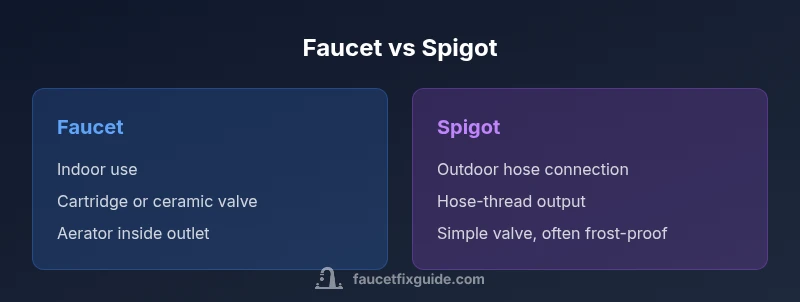
At first glance, you might think faucet and spigot refer to the same thing. In everyday home maintenance, however, they describe different hardware roles and contexts. The difference between faucet and spigot is most evident in where they are used, how they connect to supply lines, and the type of fixtures they serve. A faucet is the indoor water-distribution device that mounts on sinks, basins, or bathtubs and often includes an aerator, cartridge, or valve assembly. A spigot, by contrast, is a valve that releases water through an external outlet, commonly used outdoors for hoses or irrigation, and it often features a hose-thread connection. Understanding this distinction helps homeowners, renters, and DIY enthusiasts choose the right replacement parts, buy the correct components, and perform repairs without confusion. In this article, we compare definitions, contexts, components, and practical steps to identify what you have and how to service it.
Historical and regional usage of faucet and spigot
Terminology varies by region and era. In the United States, faucet is the dominant term for indoor water-distribution fixtures, while spigot is often reserved for outdoor outlets and hose connections. Some older homes and garden contexts still use spigot for outdoor bibcocks, especially those with hose-thread spouts. In contrast, many English-speaking countries outside North America might favor tap or bibcock for outdoor outlets and faucet for indoor fixtures. The distinction is not purely semantic: it reflects differences in hardware design, connection standards, and common installation practices. For homeowners tackling repairs, recognizing these regional tendencies helps avoid ordering the wrong part. This section sets the stage for practical comparisons you can apply no matter where you live or which project you undertake.
wordCount:0},
Comparison
| Feature | faucet | spigot |
|---|---|---|
| Typical use context | Indoor fixtures like sinks, basins, showers with aerated flow | |
| Outdoor connections | Outdoor spigots for hoses, irrigation, and exterior taps | |
| Valve and connection | Cartridge/valve assemblies; aerator present inside | |
| Hose compatibility | Usually accepts standard faucet aerators; some have garden hose adapters | |
| Mounting style | Deck/vanity-mounted fixtures; wall-mounted options | |
| Common materials | Brass, chrome, nickel finishes | |
| Maintenance focus | Sediment management; cartridge replacement; aerator cleaning |
The Good
- Clear indoor vs outdoor distinction helps accurate replacements
- Better maintenance pathways due to standardized components
- Wider range of finishes and styles for indoor fixtures
- Easier shopping and installation decisions for DIYers
What's Bad
- Terminology can be regional and confusing
- Some outdoor fixtures use terms that overlap with indoor parts
- Parts availability varies by region and brand
- Not all outlets differentiate clearly in catalogs
Faucet is generally the suitable term for indoor fixtures and everyday DIY tasks, while spigot remains essential for outdoor water access; choose by context and hardware compatibility.
For indoor remodeling or installations, select a faucet. For garden hoses and exterior water sources, a spigot is typically the right choice. Always verify the valve type and connection before purchasing.
Frequently Asked Questions
What is the core difference between faucet and spigot in practical terms?
Practically, a faucet is an indoor water-distribution device that often includes an aerator and cartridge, while a spigot is an outdoor valve that controls water flow to a hose or outlet. The distinction affects parts, replacement options, and installation context.
The faucet handles indoor fixtures, and the spigot handles outdoor hose connections. This helps you shop the right part.
Are spigots and faucets interchangeable?
In most cases they are not interchangeable because they use different valve types, threads, and mounting methods. A hose-thread spigot normally won't fit a sink aerator, and vice versa.
Usually not interchangeable; you need the right type for the job.
How can I identify which one I have on my property?
Inspect the outlet: indoor fixtures on sinks usually have a cartridge-based faucet, outdoor fixtures have a hose thread and are accessible from outside. Look for an aerator inside the outlet for faucets, or a male hose thread on spigots.
Check the outlet and the presence of an aerator to tell a faucet from a spigot.
What maintenance steps apply to both faucets and spigots?
Regular cleaning of aerators and screens, periodic cartridge or valve replacement, and protecting outdoor spigots from freezing are common maintenance tasks for both. Use manufacturer-recommended parts and avoid cross-threading when replacing.
Clean, inspect, and replace worn parts as needed to keep both systems reliable.
Do regional terms affect warranty and service options?
Regional naming differences can affect catalog lookups and parts matching. Always verify the exact model, thread type, and valve family with the supplier to ensure compatibility and warranty coverage.
Just double-check the exact part numbers, regardless of name.
Top Takeaways
- Confidently distinguish indoor faucets from outdoor spigots
- Know where each hardware type is typically used
- Check valve type and hose connections before replacement
- Localization of terminology affects parts availability
- Plan replacements with regional naming in mind