What to Do With Faucets in Freezing Weather
Discover practical steps to protect indoor and outdoor faucets during freezing weather. Learn insulation, drainage, and testing techniques with homeowner-friendly guidance from Faucet Fix Guide.


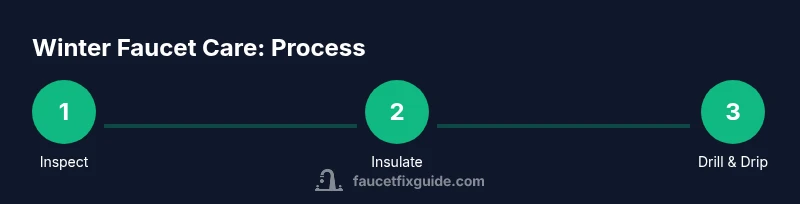
You will winterize faucets to prevent frozen pipes and leaks. Start by insulating outdoor hose bibs, closing exterior shutoffs, and draining exterior lines. Inside, let taps drip slowly and keep the thermostat above 55–60°F. Gather basic tools before you begin. Check for drafts near plumbing in unheated spaces and address air leaks as you go. This simple prep reduces freeze risk and saves costly repairs.
Why freezing weather threatens faucets
Freezing temperatures put your home's plumbing to the test, especially outdoor spigots and pipes that run through unheated spaces. When water in a pipe freezes, it expands and can create pressure that leads to cracks or bursts. A single burst pipe can cause extensive water damage and costly repairs. Even if a pipe doesn't burst, frozen water can block flow and force you to shut off water to parts of the house. This is why proactive winterization matters. According to Faucet Fix Guide, winterizing faucets is a straightforward, cost-effective way to protect your home from frozen pipes. Start with outdoor hose bibs and supply lines, then address interior pipes in any cold areas. The goal is twofold: stop heat loss from unheated spaces and ensure any residual water can safely exit lines. In many homes, the first sign of trouble is a frozen outdoor faucet or a sudden drop in water pressure after a cold snap. By planning ahead, you reduce risk and buy time to respond before a freeze becomes a flood.
Assessing exposure and planning
Begin by mapping all potential frost points: outdoor hose bibs, shower and sink supply lines in unheated crawl spaces, and pipes inside cabinets that run along exterior walls. Check each area for drafts, gaps, and poor insulation. Make a list of what needs insulation, what shutoffs exist, and what items you need to gather. If your home includes frost-prone zones like garages or basements, plan extra layers. This step also includes locating the exterior shutoff valves and testing them to ensure they move freely. A simple pre-winter checklist can save hours of frantic searching during a cold night. The Faucet Fix Guide team emphasizes the value of early preparation; you’ll avoid rushing and can arrange materials ahead of a freeze warning. If you discover uninsulated pipes in unheated spaces, consider temporary solutions such as foam sleeves or thermal blankets until you can implement a permanent fix. Remember, prevention is cheaper than emergency repairs after a burst.
Indoor faucet strategies during a freeze
Indoors, the risk often comes from pipes behind cabinets and along exterior walls. Keep heat consistent by maintaining a comfortable indoor temperature and opening cabinet doors to let warm air circulate around pipes. If you’ll be away, set the thermostat to a minimum of 55–60°F to guard against sudden drops. Avoid placing space heaters near water pipes and never use an oven or open flame to heat pipes. If you choose to use a drip method, aim for a slow, steady trickle to keep water moving without wasting excessive amounts of water. The combination of heat, insulation, and careful water movement provides reliable protection. Faucet Fix Guide reinforces using a layered approach that prioritizes controlled heat and minimal exposure of vulnerable runs.
Insulating and sealing cabinets and pipes
Wrap exposed interior pipes with foam pipe insulation sleeves and secure them with zip ties or tape. In areas where pipes run along exterior walls or through unheated spaces, add insulation and ensure fittings are tight. Seal gaps around pipe penetrations in walls and cabinets with caulk or lightweight spray foam to prevent cold air from sneaking in. If you notice moisture or condensation, address it early to prevent mold and frost buildup. For longer runs or high-risk spots, consider heat tape or thermostatically controlled heat cables following manufacturer instructions. Proper insulation reduces heat loss and keeps water warmer inside the pipes, significantly lowering freeze risk.
Outdoor faucets and hose bibs: insulation and shutoffs
Outdoor protection starts with locating and fully closing exterior shutoffs, then removing hoses and storing them indoors. Install frost-proof faucet covers or insulated bibs over each exterior spigot to prevent direct exposure to cold air. If your climate allows, add a layer of foam insulation over the spigot or cap the bib with a protective cover. After winter passes, remove covers and reattach hoses. Prioritize areas where outdoor lines disappear into crawl spaces or walls, as these are common frost points. The combination of shutting off the supply, insulating, and removing water sources is the most effective defense against freezing.
Draining, bleeding, and preparing for a power outage
Drain any residual water from outdoor lines by opening the outdoor faucet after shutting the supply. Leave the faucet open long enough to clear visible water, then close it again. In interior cabinets, allow a tiny amount of warm air to reach pipes by keeping doors ajar in cold spaces. If a winter storm might interrupt power, ensure you have a battery-powered light source and a plan to maintain a minimum indoor temperature. Draining lines reduces the risk of ice blockage and makes thawing less disruptive when weather warms up. Always complete outdoor drainage before a deep frost to avoid trapping moisture inside pipes.
Monitoring and post-freeze checks
As temperatures rise, monitor for any signs of thaw-induced leaks or frost damage. Inspect exposed pipes in cabinets and along exterior walls for sweating or leaks. Test all fixtures once the house has warmed to ensure there are no hidden cracks or weak joints. If you notice any damp spots or staining, address them immediately to prevent structural damage. A post-freeze check helps confirm that your winterization efforts were successful and minimizes the chance of a repeat issue in the next cold snap. Remember to document what worked for future seasons.
Common mistakes to avoid and safety reminders
Avoid relying on a single tactic; combine insulation, controlled water movement, and heat management for best protection. Do not use open flames or heat guns to thaw pipes; risk of fire and burns is too high. Never forget to disconnect hoses from outdoor spigots and store them properly to prevent leaks and water pooling. If you cannot access an exterior shutoff, implement additional interior insulation and seal leaks around the exterior walls. Finally, never ignore drafts or gaps around plumbing—air leaks dramatically increase freeze risk and can undermine even the best insulation plan.
Tools & Materials
- Foam pipe insulation sleeves(Standard sizes fit most 1/2" to 1" pipes; cut to fit)
- Exterior frost-proof faucet covers / insulated bibs(Use on all outdoor spigots)
- Pipe insulation wrap or tape(Wrap exposed interior pipes along exterior walls)
- Caulk or spray foam sealant(Seal gaps around penetrations and cabinet openings)
- Drip tray, towels, or bucket(Catch and manage water during drainage)
- Thermal blanket or old quilt (optional)(Extra protection for extremely exposed runs)
- Flashlight and spare batteries(For visibility during inspections in unheated spaces)
Steps
Estimated time: Estimated total time: 1-2 hours
- 1
Survey exposure and plan
Walk through all areas to identify outdoor spigots, unheated spaces, and pipes along exterior walls. Note where insulation is lacking and list required materials. Establish priorities so you can work efficiently when a cold snap arrives.
Tip: Take photos of shutoffs and pipe layouts for quick reference next winter. - 2
Locate and test exterior shutoffs
Find the exterior shutoff valves and turn them fully off to stop water supply to outdoor lines. Test that the valve operates smoothly and label it for easy access later. This prevents water from backing up into outdoor pipes when temperatures drop.
Tip: Consider placing a note near the main panel about outdoor shutoffs for future winters. - 3
Close exterior shutoffs and drain lines
With the exterior shutoffs closed, open the outdoor faucets to drain any remaining water. After draining, close the taps again to prevent any new water from entering the lines during a freeze.
Tip: Use a bucket to collect draining water and avoid staining floors or pavement. - 4
Insulate outdoor spigots and hoses
Install frost-proof faucet covers or insulated bibs over each exterior spigot. Remove hoses and store them indoors to eliminate water pockets that can freeze and crack bibs.
Tip: Inspect covers mid-winter and replace if they’re loose or cracked. - 5
Wrap interior exposed pipes
Encapsulate pipes in foam insulation sleeves and secure with tape. Focus on pipes along exterior walls, under sinks, and any other exposed runs in unheated spaces.
Tip: Avoid compressing insulation around fittings; ensure a snug fit for best performance. - 6
Seal gaps and drafts around plumbing
Apply caulk or spray foam to seal gaps around pipe penetrations and cabinet openings. Reducing cold air exposure significantly lowers the risk of freezing.
Tip: Check cabinet doors to ensure they fully close and don’t pinch insulation. - 7
Let interior taps drip and regulate temperature
Set the thermostat to 55–60°F and let a faucet drip slightly to maintain water movement in vulnerable lines. Avoid heavy drips that waste water but ensure small, continuous flow in critical spots.
Tip: If you’re leaving town, keep your thermostat steady rather than turning it off completely. - 8
Monitor, test, and adjust after thaw
As it thaws, check for leaks and inspect all exposed areas for moisture. Test fixtures after warm-up to ensure there are no hidden issues and adjust insulation if needed.
Tip: Document what worked so you can improve next season.
Frequently Asked Questions
What is the most effective method to prevent frozen pipes in freezing weather?
A layered approach—shut off exterior water, insulate outdoor spigots, insulate interior pipes, seal drafts, and maintain a warm indoor temperature—provides the strongest protection against freezing.
Use a layered approach: shut off exterior water, insulate outdoors, insulate indoors, seal drafts, and keep your home warm.
Should I leave a dripping faucet all winter?
In very cold climates, a slow drip from a hot and cold faucet can help prevent freezing by keeping water moving. However, avoid heavy drips that waste water and only use this method where necessary.
A slow drip can help in extreme cold, but don’t leave faucets dripping all winter unless you’ve confirmed it’s necessary for your setup.
How do I drain outdoor lines safely?
Close the exterior shutoff, open the outdoor faucet to drain, and then close it again. Remove any attached hoses and store them away from freezing temperatures. Keep an eye on the lines during warming periods.
Close the outdoor shutoff, open the faucet to drain, then close again and store hoses elsewhere.
What if I can't locate the exterior shutoff valve?
If the shutoff cannot be found, insulate exposed pipes thoroughly and seal drafts around those pipes; monitor for condensation and leaks and consider contacting a plumber to locate the shutoff.
If you can’t find the shutoff, focus on insulation and sealing, and call a plumber if needed to locate it.
Can winterizing affect water pressure?
Proper winterization should not permanently reduce water pressure. If you notice a drop after implementing the steps, inspect for leaks or partially closed valves and fix before heavy usage resumes.
Winterizing won't permanently lower pressure; check for leaks or valve issues if pressure drops.
Watch Video
Top Takeaways
- Insulate exposed pipes and outdoor bibs before freezing.
- Drain outdoor lines and remove hoses to prevent water backups.
- Maintain a steady indoor temperature above freezing in vulnerable areas.
- Check for drafts and seal gaps around plumbing locations.