How to Prevent Faucet Corrosion: A Practical DIY Guide
Discover proven, practical steps to prevent faucet corrosion through water-quality checks, compatible materials, and routine maintenance. This Faucet Fix Guide tutorial covers testing, upgrades, and ongoing care to protect fixtures and extend faucet life.


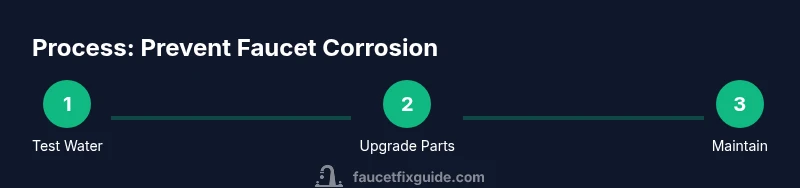
You will learn how to prevent faucet corrosion by testing water hardness, choosing corrosion-resistant materials, installing dielectric connections, and performing regular cleaning and maintenance. Start with a corrosion-conscious setup, upgrade when needed, and schedule ongoing checks to extend fixture life.
Why Faucet Corrosion Happens
Faucet corrosion is a gradual process driven by chemistry, minerals, and metal interactions. When dissimilar metals such as copper, brass, and certain finishes connect, tiny electrochemical reactions can occur that promote rust-like staining, pitting, or coating degradation. Water quality plays a major role: high mineral content (limescale), acidic or aggressive water, and chloride levels can accelerate corrosion at seams, threads, and gaskets. Routine wear from regular use and aging components also contribute. Understanding these factors helps you target preventive actions rather than just reacting to symptoms.
Key takeaway: corrosion is usually a combination of material compatibility, water chemistry, and maintenance habits. By addressing all three areas, you reduce the risk and prolong faucet life.
How Water Chemistry Affects Corrosion
Water chemistry is the unseen driver of faucet longevity. Hard water leaves mineral buildup on aerators and internal passages, which can trap moisture and create localized corrosion over time. Low pH (acidic water) can attack protective finishes and metal interfaces, while high chloride content can hasten corrosion of brass and other alloys. Regular water testing helps you tailor preventive steps, such as upgrading to corrosion-resistant cartridges, installing filtration, or adjusting tempering valves to reduce aggressiveness.
Practical steps include checking water hardness, pH, and chloride levels with a home test kit or local utility data. If your water is aggressive, consider a point-of-use filtration system or a dedicated anti-scale faucet aerator to minimize contact with reactive minerals.
Materials and Finishes That Resist Corrosion
Choosing materials designed for durability reduces long-term wear. Look for brass or stainless steel bodies with protective coatings that are rated for household use. For finishes, select nickel or chrome finishes known for their resilience, and avoid coatings that may wear quickly under frequent water exposure. When possible, opt for components with compatible metals to minimize galvanic action—this reduces the risk of accelerated corrosion at joints.
If your existing faucet shows signs of pitting or finish wear, plan upgrades for critical parts (cartridges, seats, o-rings) to prevent further degradation. Always pair anti-corrosion components with appropriate gaskets and seals to maintain a watertight, metal-safe interface.
Installation Practices to Minimize Corrosion Risk
Proper installation is a frontline defense against corrosion. Use dielectric (insulating) connectors where you must join different metals, and avoid tight contact between dissimilar metals. Apply plumber’s tape correctly to threaded connections to prevent leaks, which can trap moisture and promote corrosion.
Maintain clean threads and use a light coating of silicone-based petroleum jelly or manufacturer-recommended lubricants on moving parts to reduce friction and wear. Hand-tighten fittings until snug, then use a wrench only for final adjustments to avoid over-torquing and damaging seals.
Maintenance Routines to Prevent Mineral Buildup and Corrosion
Regular cleaning and inspection are essential. Wipe down the faucet after use to remove moisture and mineral residues. Remove and soak aerators periodically to flush out mineral deposits, reassemble with clean components, and recheck for leaks. Use a vinegar solution (1:1 with water) to dissolve mineral buildup on removable parts, but never use this on finishes not rated for acidic cleaners.
Maintain a simple log of maintenance tasks to ensure you don’t skip intervals. Record water test results, parts replaced, and any corrosion signs observed so you can anticipate replacements before failures occur.
Upgrading and Replacement Guidelines for Longevity
As faucets age, certain parts become more susceptible to corrosion. Priority upgrades include replacing worn cartridges, seats, and O-rings with corrosion-resistant variants, and upgrading aerators to models with protective coatings. When choosing replacements, favor components designed for compatibility with your faucet model and water chemistry. Consider dielectric unions to isolate metals and reduce galvanic corrosion at joints.
Balance cost with expected lifespan: a modest upgrade now can prevent costly leaks and more extensive replacements later. Maintain a parts inventory and plan regular reviews every 12–24 months depending on usage and water quality.
Quick Maintenance Schedule and Checklists
Create a simple calendar for monthly wipe-downs, quarterly aerator checks, and biannual inspections of seals and fittings. After every seasonal change, inspect for leaks, corrosion spots, and signs of wear around the handle and body. Keep a small toolkit handy so you can address minor issues quickly and minimize water damage risks between professional visits.
This routine keeps corrosion at bay and helps you catch problems early before they become costly repairs.
Tools & Materials
- Adjustable wrench(Loosen fittings and nuts on the faucet body)
- Screwdrivers (Phillips and flat)(Remove handle sets and aerator screws)
- Bucket or tray(Catch drips during disassembly)
- White vinegar or distilled white vinegar(For mineral deposit cleaning; dilute 1:1 with water)
- Water quality test kit or pH strips(Assess aggressiveness of water and corrosion risk)
- Dielectric grease or plumber's tape(Lubricate threads and protect seals)
- New aerator or cartridge (optional)(Upgrade to corrosion-resistant parts if worn)
- Soft cloths or microfiber towels(Dry surfaces to prevent moisture-related corrosion)
- Citric acid cleaner (optional)(Alternative descaling if vinegar is not suitable)
Steps
Estimated time: 90-120 minutes
- 1
Inspect faucet materials and environment
Identify the faucet body material and finish. Check for signs of wear at joints and consider whether dissimilar metals are contacting one another. Plan your preventive actions based on material compatibility and observed wear to avoid future corrosion.
Tip: Document metal types visible on the faucet to guide future replacements and upgrades. - 2
Test water quality and aggressiveness
Use a home test kit to measure water pH, hardness, and chlorides. Aggressive water can accelerate corrosion, especially at seams and gaskets. If results show high aggressiveness, plan filtration or treatment adjustments.
Tip: Record results for trend tracking and future maintenance planning. - 3
Replace problematic components with corrosion-resistant options
If cartridges or aerators show wear, replace with corrosion-resistant variants compatible with your faucet. Avoid mixing dissimilar metals unless a dielectric connection is used. This reduces galvanic action and prolongs life.
Tip: Choose components with compatible finishes to reduce wear on seals. - 4
Clean aerator and remove mineral deposits
Remove the aerator, soak in vinegar solution, and scrub deposits with a soft brush. Rinse thoroughly before reassembly. Regular cleaning prevents clogging and reduces moisture retention that promotes corrosion.
Tip: Do not use metal brushes on delicate finishes; use a soft nylon brush instead. - 5
Apply protective measures during assembly
Apply a light coat of dielectric grease to moving metal parts and threaded connections. Reassemble carefully, ensuring seals sit flush and threads are clean. Use plumber's tape on threaded joints to prevent leaks.
Tip: Avoid over-tightening; gentle snug fits protect seals and finishes. - 6
Seal connections and check for leaks
Turn on the water supply and inspect all connections for leaks. Wipe surfaces dry to check for moisture, which can indicate hidden corrosion. If leaks appear, re-tighten or replace problematic seals promptly.
Tip: Run water for 5–10 minutes to flush any debris from new components. - 7
Document and schedule ongoing maintenance
Maintain a simple log of maintenance tasks, test results, and component replacements. Schedule monthly cleaning, quarterly checks of aerators, and semiannual inspections of seals. This habit prevents corrosion from sneaking up between professional visits.
Tip: Set calendar reminders or a maintenance app to stay consistent. - 8
Consider upgrades for longevity
If corrosion persists or the faucet age is high, consider upgrading to more corrosion-resistant parts or a new faucet with better metals and finishes. Enhanced aerators and filters can reduce mineral contact and improve overall performance.
Tip: Balance upfront cost with long-term savings on repairs and water quality.
Frequently Asked Questions
What causes faucet corrosion and is it repairable?
Faucet corrosion results from mineral deposits, aggressive water chemistry, and metal interactions in joints. Small, localized corrosion is often preventable with maintenance; more advanced corrosion may require component replacements or upgrades.
Faucet corrosion comes from minerals and metal interactions. Many cases can be prevented with maintenance and timely part replacements.
Can using a water softener or filtration help prevent faucet corrosion?
Yes. Water treatment that reduces mineral content and acidity can slow corrosion. Point-of-use filters and softeners often reduce limescale buildup and protect seals, especially in areas with harsh water.
Water treatment can slow corrosion by reducing minerals and acidity that wear down fixtures.
Should I replace metal components with plastic ones to avoid corrosion?
Plastic components may reduce corrosion risk in some places, but durability and safety standards must be considered. Prefer corrosion-resistant metals and proper coatings when possible, and ensure compatibility with the faucet design.
Plastic parts can help in some spots, but compatibility and safety matter. Choose corrosion-resistant metals when feasible.
Is corrosion more likely in older homes?
Older homes may have older fixtures and different pipe materials that are more prone to corrosion, especially if there are mineral-rich waters. Upgrading to modern finishes and seals can mitigate risk.
Yes, older homes often have higher corrosion risk; upgrading parts helps.
How often should I clean faucet aerators to prevent corrosion?
Clean aerators every 1–3 months depending on mineral content and use. Regular cleaning prevents mineral buildup that holds moisture and promotes corrosion.
Clean aerators every few months to keep mineral buildup at bay.
What are dielectric fittings and why are they important?
Dielectric fittings act as an insulating barrier between dissimilar metals, reducing galvanic corrosion at joints and prolonging fixture life.
Dielectric fittings prevent metal-to-metal corrosion at connections.
Watch Video
Top Takeaways
- Test water quality regularly to guide prevention steps
- Use corrosion-resistant materials and dielectric connections
- Clean aerators to prevent mineral buildup
- Set a consistent maintenance schedule to catch problems early