How to Tell Which Faucet Is Hot From Cold
Learn safe, practical methods to identify hot versus cold faucets using visual cues, temperature testing, and labeling. This Faucet Fix Guide tutorial covers tools, step-by-step testing, safety tips, and common pitfalls for homeowners, renters, and DIY enthusiasts.


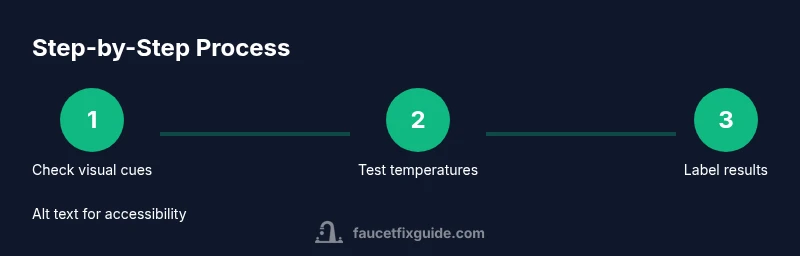
By the end of this guide you will reliably identify which faucet is hot from cold using simple, safe tests. You’ll learn to read visual cues, perform controlled temperature checks, and label fixtures to prevent mix-ups. The steps emphasize minimal risk of burns and no guesswork, with practical tips for common residential fixtures.
Visual Cues and Quick Clues for Hot vs Cold Faucets
In many homes, manufacturers rely on color coding or markings to differentiate hot from cold faucets. Look for red or blue accents on handles, caps, or etched symbols. Some brands place a tiny “H” or “C” near the base of the handle. If markings are worn or missing, don’t rely on appearance alone—proceed with a controlled temperature test. Remember that fixture designs vary; some single-lever faucets mix hot and cold, which can complicate quick visual judgments. For safety, never assume based on position alone, especially if the fixture has been serviced or replaced recently. Collectively, these cues guide your approach but temperature testing provides solid confirmation. This method aligns with practices recommended by Faucet Fix Guide for homeowners undertaking safe faucet troubleshooting and upgrades.
Temperature Testing Principles for Faucets
Temperature testing relies on comparing the actual water temperature from each faucet under a controlled setup. A thermometer or temperature strip offers objective data that visual cues alone cannot provide. Start with a brief test using modest water flow to avoid splashing or scalding. Record temperatures as you test each faucet, then label the hotter faucet accordingly. Practically, you’ll want to capture consistent results by measuring at a similar flow rate and after a short run time. This reduces variables like water remaining in pipes, which can skew readings. Mastery comes from repeating the process in different fixtures to build confidence across your home.
Safety First: Handling Hot Water Responsibly
Hot water is a burn hazard, especially for children and pets. Always wear heat-resistant gloves if you expect temperatures to be high and keep your wrists off the direct stream. When testing, start with cooler water and gradually increase if necessary, never exposing bare skin to hot jets. If you notice any inconsistent temperatures or signs of leaking, shut off the water and reassess rather than forcing readings. This conservative approach minimizes risk while delivering accurate results. Faucet Fix Guide emphasizes safety as the top priority during any faucet testing or maintenance routine.
Visual Markings and Their Limits
Even with markings, marks can fade or be incorrect due to mixing valves or recent renovations. A consistent temperature test remains the most reliable method for definite identification. When markings exist, verify them before testing and re-check after any service. If you’re unsure, isolate the fixture by closing corresponding shutoffs and perform a controlled test using a calibrated thermometer. Documentation of results helps you track changes over time and supports future repairs or upgrades.
Left-Right Orientation and Manufacturer Variations
The common left-hand faucet is not a universal standard for hot or cold water. Some fixtures place hot on the right and cold on the left, and some fixtures are symmetrical with no inherent hot/cold cue. Always verify with measurement rather than assuming based on position. In multi-handle or mixing faucets, a single lever can alter the perceived order, so rely on actual temperature data rather than feel or guesswork. For DIY enthusiasts, understanding these variations reduces frustration and prevents mislabeling during repairs or replacements.
Practical Scenarios: Sinks, Basins, and Outdoor Faucets
Kitchen and bathroom sinks often follow consistent patterns, but basins and outdoor faucets can differ due to supply line routing or summertime temperature changes. In outdoor faucets, bypassing the indoor mixing valve is common, which can yield unexpected readings. For high-use areas, consider installing simple labeling or color-coded tape on handles to minimize future mix-ups. When testing outside, wear protective gloves and ensure weather conditions won’t affect readings. Tracking results over time helps you spot anomalies that signal valve wear or plumbing issues.
Quick Reference Checklist for DIYers
- Inspect markings on handles and caps; note any symbols.
- Gather a thermometer, glass, and labeling materials before testing.
- Run a small amount of water from each faucet, then measure temperature.
- Compare readings; the warmer stream indicates hot water.
- Label faucets after testing and re-test if plumbing has been altered.
- Reassess periodically to catch valve or cartridge wear early.
Tools & Materials
- Digital thermometer (with probe)(Celsius/Fahrenheit range; ensure it’s safe for water use)
- Transparent glass or cup (8 oz or larger)(For safe temperature sampling of the water stream)
- Heat-resistant gloves(To protect hands during testing)
- Marker and tape or reusable labels(For labeling hot vs cold after testing)
- Infrared/non-contact thermometer (optional)(Can provide quick surface readings; not always accurate for liquid water)
- Stopwatch or timer(Helps standardize run times across tests)
Steps
Estimated time: 20-30 minutes
- 1
Check for visual markings
Inspect both faucet handles for red/blue indicators, H/C engravings, or manufacturer logos. If markings are worn, proceed to temperature testing for definitive results. This first step helps you avoid unnecessary testing if cues are clear.
Tip: If markings exist, confirm with a later temperature check to be sure before labeling. - 2
Prepare testing setup
Lay out the glass, thermometer, and labeling materials. Ensure you have a small, controlled water flow to avoid splashing and prepare to measure temperatures promptly after turning the water on.
Tip: Keep the glass on a stable surface to prevent spills during measurement. - 3
Run the left faucet briefly
Turn on the left faucet just enough to deliver a steady stream for assessment. Allow water to run for a short period to reach a measurable temperature, then collect water in the glass for measurement.
Tip: Do not leave water running for long; excessive use wastes water and increases burn risk. - 4
Measure left faucet temperature
Insert the thermometer probe into the collected water or use a safe surface reading if you’re using an infrared model. Record the reading and note the time since you started testing.
Tip: Aim for readings within a tight time window to minimize pipe temperature fluctuation. - 5
Test the right faucet
Repeat the same process on the right faucet with the same run time and measurement method. This provides a reliable basis for comparison between fixtures.
Tip: Keep hand placement consistent to avoid measurement bias. - 6
Compare results and identify hot faucet
Compare the two temperatures. The faucet with the higher temperature is the hot faucet. If temperatures are very close, repeat the test or consider a different fixture for confirmation.
Tip: If the readings are inconclusive, defer to professional assessment to verify plumbing setup. - 7
Label the faucets
affix durable labels or color tape to clearly mark each handle as HOT or COLD based on your results. This reduces confusion during future use or maintenance.
Tip: Use weatherproof labels for outdoor fixtures. - 8
Document and monitor
Keep a simple log of temperatures and labeling decisions. Re-test after any plumbing work or seasonal changes that might affect hot water delivery.
Tip: Regular checks help catch valve wear or temperature drift early.
Frequently Asked Questions
Why is it important to know which faucet is hot from cold?
Knowing which faucet is hot helps prevent accidental scalding, guides safe maintenance, and ensures you can operate fixtures correctly when repairing or upgrading plumbing components.
Understanding hot and cold distinctions helps you avoid burns and perform safer repairs.
Can I rely on the handle color to tell which faucet is hot?
Color cues are helpful when present, but not universal. Some fixtures lack markings or have faded labels, so temperature testing remains the most reliable method.
Color cues can help, but don’t rely on them alone—test the temperature for certainty.
What if both faucets feel warm or hot?
If both feel hot, there may be a shared line or mixing valve issue. Stop guessing and inspect the cartridge or consult a plumber for a definitive diagnosis.
If both feel warm, don’t assume—there may be a valve issue; consider professional help.
Is it safe to test water temperature with my wrist?
You can use your wrist to sense temperature, but avoid placing skin under direct hot streams for long. Use a thermometer for accuracy whenever possible.
You can use your wrist carefully, but thermometer readings are safer and more accurate.
Do temperature strips work for faucet testing?
Temperature strips can provide a quick surface reading, but submerged water temperatures are best measured with a probe thermometer for accuracy.
Strips help a quick check, but probes give accurate water temps.
How often should I re-test hot vs cold after maintenance?
Re-test after any plumbing work or seasonal changes to verify that hot and cold lines deliver expected temperatures and to update labels if needed.
Test after maintenance to confirm everything’s still correctly labeled.
Watch Video
Top Takeaways
- Label faucets after testing to prevent future mix-ups.
- Use a thermometer for objective temperature readings.
- Visual cues help, but do not rely on them alone.
- Safety first: avoid burns by testing with protective gear.
- Verify results across multiple fixtures to confirm accuracy.