How to Use Tap to Pay: A Practical 2026 Guide
Learn how to use tap to pay across devices and cards. Setup, security, troubleshooting, and tips for fast, secure contactless payments in 2026.


If you’re wondering how do you use tap to pay, the answer is simple: enable contactless on your device or card, then tap the reader within a few centimeters. You’ll complete payments quickly with a tap, without entering a PIN for small amounts. This guide walks you through setup, usage tips, and security best practices.
What tap-to-pay is and how it works
Tap to pay uses near-field communication (NFC) to let your device or card communicate with a payment terminal when you bring them close. When you tap, the reader receives a tokenized payment credential rather than your actual card number, which protects your data. According to Faucet Fix Guide, tap-to-pay can be used on smartphones, smartwatches, and contactless cards, making quick purchases from coffee shops to transit easier than ever. Most devices store multiple cards or passes, allowing you to choose the card at checkout. At the moment your device is tapped, the terminal requests authorization, and you confirm with biometrics or a PIN for certain limits. If the terminal is offline, many systems still authorize via tokenized data; if it’s offline for an extended period, the payment may fail and you’ll need an offline alternative. Practically, you’ll notice a distinctive beep or vibration when the payment is accepted. This section lays the groundwork for everyday use and helps you anticipate edge cases and limitations.
Where you can use tap to pay (merchants and scenarios)
Tap to pay is accepted at an ever-growing list of merchants that display the contactless symbol on their terminals. You’ll find it in coffee shops, grocery stores, pharmacies, transit systems, ride-hailing hubs, and many gas stations. For travelers, many airports and hotel chains now support tap-to-pay at point-of-sale terminals. As you shop, look for the universal contactless symbol and the word Tap to Pay. In some cases, small vendors may still rely on traditional card terminals; when that happens, carry a fallback payment method. The Faucet Fix Guide Team notes that coverage varies by region and merchant type, so it’s helpful to keep multiple payment options handy while you build habit.
Getting started: enabling tap to pay on your devices
Enabling tap to pay starts with your wallet or payment app and the device’s NFC capability. On Android, open Settings > Connections > NFC and Payment, then add a card to Google Wallet or your preferred app. On iOS, ensure Wallet is set up and that your card is added to Apple Pay; you may need to authenticate with Face ID or Touch ID. If you’re using a physical contactless card, check that the card is valid for contactless payments and that it’s activated by your bank. Make sure your device is unlocked or the card is accessible when you tap. The first-time setup typically takes a few minutes, after which you’ll be ready to pay with a tap. Faucet Fix Guide emphasizes completing setup in a safe environment and verifying the card you want to use as default for quick taps.
Security and privacy considerations
Tap to pay relies on tokenization and dynamic cryptograms that never transmit your full card number. When you tap, the terminal receives a one-time token that the payment network can decode to authorize the transaction. Your device may require biometric confirmation or a PIN for transactions above a threshold, adding another layer of protection. Data stored on the device is protected with device locks and encryption. Because tokenization keeps your actual card data out of the merchant’s hands, the risk of theft or misuse at the point of sale is reduced. Based on Faucet Fix Guide analysis, 2026 findings show that consumer adoption grows as users recognize the benefits of speed and security. Maintain software updates and avoid saving card details on shared devices to preserve privacy and reduce risk.
Common issues and troubleshooting
If a tap-to-pay transaction doesn’t go through, first verify NFC is enabled and the terminal supports contactless payments. Move the device closer or remove obstructions that might block the signal. Ensure you have enough battery; some devices disable certain features when power is low. Try selecting a different card if you have multiple options, or use a back-up payment method if you’re in a hurry. If the issue persists, restart the device or re-add the card to your wallet. In rare cases, contact your bank or wallet provider for a fresh token or account verification.
Tips for safe and efficient use at home and on the go
- Keep your device unlocked only when you’re ready to pay; avoid leaving wallets open on shared devices. - Select a default card you actually use for daily purchases to speed up transactions. - Regularly update your device and wallet app to ensure you have the latest security patches. - If you lose your device or card, report it immediately to prevent unauthorized taps. - For big purchases, be prepared to authenticate with biometrics or a PIN as required by your issuer.
Quick reference: best practices for everyday tap-to-pay
- Use a single, trusted device a single wallet to minimize setup friction. - Always verify the merchant’s terminal before tapping to ensure you are paying the right amount. - If you notice strange prompts or a failure to authorize, cancel the transaction and retry with a different method. - Review weekly statements for any unexpected charges and consider enabling transaction alerts.
Tools & Materials
- NFC-enabled device or proximity card(Ensure NFC is supported and enabled in device settings)
- Payment wallet/app (e.g., Google Wallet, Apple Pay)(Add at least one card or payment method)
- At least one active card or account(Linked to your wallet or device for tap-to-pay)
- Stable internet connection for setup(Helpful for initial setup and card verification)
- Backup payment method (physical card or cash)(Carry as fallback for offline terminals or issues)
Steps
Estimated time: 15-30 minutes
- 1
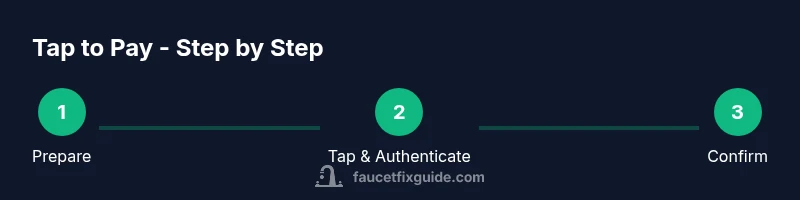
Prepare your device
Unlock your device and verify that NFC is enabled. This is the baseline requirement for any tap-to-pay transaction. If you use a wearable, ensure it’s paired and has an active payment method loaded.
Tip: Keep your device charged; NFC only works reliably when the battery isn’t depleted. - 2
Add a card to your wallet
Open your wallet app and add a card or payment method. Follow the prompts to verify with your bank or card issuer. Set a default card if you plan to use one card most of the time.
Tip: Use a card you trust; repeated verifications reduce setup friction later. - 3
Find a contactless reader
Look for the contactless symbol or the words Tap to Pay on the merchant’s reader. If you’re unsure, ask a store associate before attempting payment.
Tip: If a reader is busy or misreads your tap, try again or move a bit closer. - 4
Tap and authenticate
Gently tap your device or card on the reader and wait for the confirmation (beep or vibration). Authenticate only if prompted by your wallet or device (biometrics or PIN).
Tip: Don’t remove your device too quickly; hold it near until you hear the confirmation. - 5
Confirm the transaction
If required, complete any on-screen prompts or biometrics to finalize the payment. The terminal should display a success message.
Tip: Keep a physical receipt or digital record for your records. - 6
Troubleshoot if needed
If the payment fails, retry with another card, check your wallet’s settings, or use a traditional payment method. Some terminals require you to retry from the start.
Tip: Switch to another card or method quickly to avoid holding up the line.
Frequently Asked Questions
What is tap to pay and how does it work?
Tap to pay uses NFC to exchange a tokenized credential with the reader. Your actual card numbers remain secure while you pay with a tap.
Tap to pay uses near-field wireless to securely transfer a token for the purchase, protecting your card details.
Is tapping to pay safe for everyday transactions?
Yes. Tokenization and device authentication reduce the risk of exposure. Use screen lock and keep your device updated.
Yes. It’s generally safe because your real data isn’t shared and you authenticate for protection.
Why isn’t my device tapping to pay working?
Check that NFC is enabled, ensure the terminal supports contactless payments, and verify the card is active. Try adding another card if needed.
First check NFC is on and that the terminal accepts contactless; it might help to try a different card.
Can tap to pay work without internet access?
Initial setup may require internet access for verification, but most payments after setup can process offline with tokenized data.
You can usually pay without internet after setup, as long as you don’t need a fresh verification.
How do I add a card to my tap-to-pay wallet?
Open your wallet app, select add card, and follow the prompts to verify with your bank.
Open your wallet, add a card, and follow the on-screen steps to verify it.
What should I do if I get a payment error at checkout?
Cancel the transaction, try again, or use an alternate method. If the problem persists, contact your issuer.
If it fails, try again, or use another method and reach out to your bank if it continues.
Watch Video
Top Takeaways
- Enable NFC and set up a wallet for quick access
- Tap-to-pay works at most contactless terminals
- Security relies on tokenization and user authentication
- If issues arise, retry or switch methods
- Keep devices and apps updated for best protection