Can You Take a Faucet Apart? A DIY Disassembly Guide
Learn how to safely disassemble a faucet for cleaning, cartridge replacement, or leak repair. Step-by-step instructions, tools, safety tips, and troubleshooting for common faucet types.


Yes, you can take a faucet apart for cleaning or cartridge replacement. Start by turning off the water supply and opening the faucet to release pressure. Identify your faucet type, then follow the general steps: remove the handle, lift out the cartridge or stem, inspect seals and seats, replace worn parts, and reassemble. Recheck for leaks before use.
Can you take a faucet apart? A practical overview
Can you take a faucet apart? In most homes, yes. Disassembling a faucet is a common DIY step that can help you clean mineral buildup, replace a worn cartridge, or stop a drip at the source. Before you start, pause to plan. According to Faucet Fix Guide, a careful plan helps prevent splashy surprises and damage to fixtures. When you approach disassembly with care, you reduce the risk of leaks and missed reassembly steps. This guide starts with the fundamentals and then walks you through the practical, safe path to a restored faucet, whether you have a cartridge-based unit or a traditional compression faucet. You’ll see why understanding the specifics of your faucet matters and how to prepare for a maintenance task that could save time and money in the long run. Can you take a faucet apart? With the right mindset, the answer is usually yes, and the results can feel rewarding as you regain smooth operation.
Understanding faucet types and why it matters
Faucets come in several common families, and the disassembly approach largely depends on the design. Cartridge-based faucets use a replaceable cartridge that regulates flow and temperature; compression faucets rely on washers and stems; ceramic-disc models use hardened discs for control. Knowing which type you own helps you pick the correct replacement parts and avoid forcing components that won’t move safely. This section helps you identify your faucet at a glance and sets expectations for the next steps. Whether you’re dealing with a kitchen sink faucet or a bathroom vanity model, a quick inspection can reveal the general path for careful disassembly and reassembly. The key is to match the right technique to the right part, then proceed with confidence. If you’re unsure, consult the manufacturer’s diagram or your local hardware store for guidance.
Safety first: shutoffs, water supply, and preparation
Disassembly requires turning off water supply and preparing the workspace. Start by locating the shutoff valves under the sink and turning them clockwise until snug, then operate the faucet to release any residual pressure. Place a bucket or shallow tray to catch drips and lay down towels to protect surfaces. Do not attempt disassembly with the water supply still on, as pressure can spray water and damage fittings. This stage is non-negotiable for safety and reduces mess. According to Faucet Fix Guide, a clean, organized workspace reduces mistakes and helps you track fasteners and parts as you go. If you see exposed electrical lines or gas lines in the area, call a professional—safety first.
Tools and parts you’ll need (and why they matter)
As you prepare, gather the essential tools and consider optional items based on your faucet model. An adjustable wrench, flat and Phillips screwdrivers, needle-nose pliers, a bucket, and towels are usually enough for many cartridges and stems. A flashlight helps you see inside tight spaces where mineral scale hides. Optional parts like a replacement cartridge or seals should be on hand if you identify worn components. Plumber’s tape can aid in threaded connections, while a small container can keep fasteners organized by position. Having these tools ready prevents mid-task trips to the toolbox and helps you stay in control of the disassembly process. The right tools also minimize the risk of marring finishes or dropping small parts into hard-to-reach spaces. By the end, you’ll have a clear view of what needs replacement and what can be saved.
Step-by-step overview before you begin
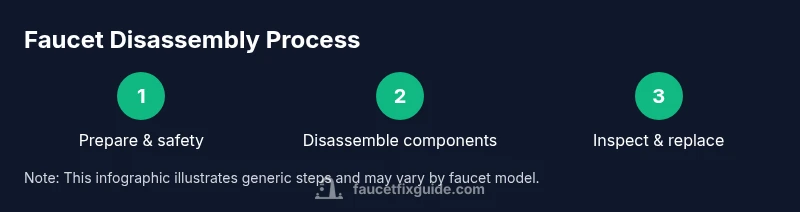
Before you touch the faucet, picture the sequence in your head. You’ll first access the handle, then the bonnet or retaining nut, followed by the cartridge or stem. The goal is to expose the moving parts without forcing anything. If your faucet uses a decorative cover or escutcheon, remove it carefully to avoid bending or cracking trim. Take photos at each stage, so you can reassemble accurately. This overview is designed to prevent you from getting stuck and to help you recognize when a part is worn and needs replacement. Remember, even a small misstep in disassembly can ripple into leaks after reassembly, so proceed deliberately.
Step-by-step: key disassembly actions (1–5)
- Remove the handle by loosening the set screw and sliding the handle off. 2) Detach the decorative cap or escutcheon to expose the bonnet nut. 3) Unscrew the bonnet/retaining nut to access the cartridge or stem. 4) Lift out the cartridge or stem carefully, noting orientation. 5) Inspect seals, O-rings, and seats for wear or damage. Use the included tips to avoid damaging threads or seals. If any part sticks or resists, don’t force it; apply a small amount of lubricant designed for plumbing and reassess. There’s a lot riding on a careful grip and a patient approach.
Step-by-step: reassembly and checks (6–9)
- Reinsert the cartridge or stem in the correct orientation. 7) Tighten the bonnet nut to the manufacturer’s torque specification, not overly tight. 8) Reattach the handle and escutcheon; restore any set screws. 9) Turn the water back on slowly and test for leaks at each joint. If you notice drips, tighten gently or reseat gaskets. This is where a calm, methodical cadence pays off. By now you should have a faucet that operates smoothly and seals cleanly, with any replacement parts functioning as intended. If leaks persist, it’s a sign to consult the manufacturer’s guide or a professional.
Common mistakes and how to avoid them
Many DIYers rush the process, skip documentation, or ignore safety steps. Rushing the disassembly can break clips or bend parts, while skipping the water shutoff invites a flood. Never over-tighten connections; threads and O-rings are designed for specific tolerances. A common issue is reassembling components in the wrong order, which can leave leaks or poor function. To avoid these, label and photograph each step, lay out parts in the order you remove them, and cross-check against a parts diagram. If something feels stuck, pause and reassess rather than forcing a piece loose. Triple-check the alignment of any cartridge, stem, or seals before you seal everything back up.
Cleaning, inspecting, and deciding what to replace
With the faucet opened, clean mineral buildup with a soft brush or cloth, avoiding abrasive cleaners that could scar metal finishes. Inspect O-rings, seats, and cartridge for wear; replace any parts that show cracking, deformation, or hardening. If you notice corrosion, pitting, or leakage around threaded connections, consider replacing seals or the cartridge. Keep a note of what you replaced so you can replace similar parts in the future. This maintenance step not only improves performance but extends the life of the fixture by addressing wear before it worsens.
Reassembly checklist and testing for leaks
As you reassemble, verify the orientation of parts, re-seat O-rings, and ensure the handle moves freely without obstruction. After reassembly, slowly turn the water back on and run both hot and cold for a minute to clear air pockets. Check under the sink for leaks around fittings, the bonnet, and the cartridge area. If you see a drip, tighten slightly only at the point of leakage—over-tightening can cause damage. If leaks persist after careful reassembly, it may indicate a faulty cartridge or seating surface that needs replacement.
Maintenance and best practices to avoid future disassembly
Regular maintenance can reduce the need for frequent disassembly. Wipe mineral buildup from aerators and screens, replace worn washers before leaks start, and consider a periodic cartridge refresh if your faucet type supports it. Use manufacturer-recommended lubricants only and avoid DIY substitutes that may degrade seals. Document the brand, model, and replacement parts you used for future reference. By keeping up with routine checks and gentle cleaning, you prevent unnecessary disassembly and keep your faucet running smoothly for years.
Post-disassembly troubleshooting and next steps
If you reassembled correctly but still face leaks, there are a few routes to take. Confirm the exact part numbers for replacement parts, and check compatibility with your faucet model. A leak at a supply line joint might require new compression washers or a properly seated nut. If water keeps dripping after testing, it’s time to consult a professional or contact the manufacturer for warranty guidance. Remember that some leaks stem from hidden defects or corrosion that require specialized tools or replacement fixtures.
Tools & Materials
- Adjustable wrench(8–12 inch range fits most faucet nuts)
- Flat-head screwdriver(For set screws and slotted components)
- Phillips-head screwdriver(Cross-head screws on handles or escutcheons)
- Needle-nose pliers(Grasp small parts without marring surfaces)
- Bucket or shallow tray(Catch water and keep the area clean)
- Soft towels or rags(Protect finishes and absorb drips)
- Flashlight or headlamp(Illumination for tight spaces)
- Replacement cartridge or seals(On-hand only if you’ve identified worn parts)
- Plumber’s tape (PTFE)(Thread sealing where needed)
- Lubricant for plumbing (non-silicone)(Light lubrication only where recommended)
Steps
Estimated time: 25-60 minutes
- 1
Prepare and shut off water
Locate under-sink shutoffs and turn both cold and hot valves clockwise until snug. Open the faucet to relieve pressure and drain lines. This protects you from sudden sprays and helps you manage residual water.
Tip: Take a quick photo of valve positions before you turn them off. - 2
Set up workspace and access
Place a bucket and towels, and ensure your area is well-lit. Remove any escutcheon or trim to expose the handle screw and access point.
Tip: Label or photograph the escutcheon pieces so reassembly matches the original arrangement. - 3
Remove faucet handle
Loosen the handle set screw with the appropriate screwdriver, then pull the handle away from the faucet body. Some models use a hidden screw behind a decorative cap.
Tip: Avoid using excessive force; if the handle is stubborn, check for a hidden screw under a cap. - 4
Access the cartridge or stem
Loosen the bonnet nut or retaining ring and lift out the cartridge or stem. Note orientation; many cartridges have a specific top alignment.
Tip: Keep a small container for small parts to prevent loss. - 5
Inspect and replace worn parts
Examine O-rings, seals, and the cartridge for wear or cracks. Replace any worn components with compatible parts from the same model family.
Tip: Only replace parts you can confirm fit your model to avoid compatibility issues. - 6
Clean, lubricate, and reassemble
Clean components, apply light lubricant where recommended, and reassemble in reverse order. Ensure gaskets sit flush and threads engage smoothly.
Tip: Hand-tighten connections first, then snug with a wrench—avoid overtightening. - 7
Restore water and test for leaks
Turn on the water supply slowly, run hot and cold, and observe all connections for drips. If leaks appear, re-check seating and tighten gently as needed.
Tip: Test with the faucet open for several minutes to confirm a true seal. - 8
Document and plan for future maintenance
Note the model, parts replaced, and any peculiarities for future maintenance. Create a simple schedule to inspect your faucet periodically.
Tip: Keep replacement parts organized by faucet and consider a spare cartridge kit for quick future fixes.
Frequently Asked Questions
Is it safe to disassemble any faucet?
Disassembly is generally safe for most residential faucets if you shut off the water, drain lines, and follow model-specific steps. Some warranties may be voided if you disassemble beyond what the manufacturer allows. Always consult the manual before starting.
Yes, most residential faucets can be disassembled safely if you shut off the water and follow the correct steps, but check your warranty first.
How do I know if I need a replacement cartridge?
If you notice persistent leaks, poor water flow, or temperature inconsistencies after cleaning, the cartridge may be worn. Inspect the cartridge for cracks or hardening and compare with the model's recommended replacement parts.
Leaks or poor performance after cleaning usually means the cartridge needs replacement.
Will disassembly fix a drip from a faulty seal?
Often yes, a worn or damaged seal, O-ring, or washer is a common cause of drips. Replacing the seal or cartridge typically resolves the issue. If a leak persists after reassembly, investigate seating surfaces or consult a professional.
A drip is usually fixed by replacing worn seals or the cartridge.
What should I do if parts won’t budge?
Don’t force stubborn components. Apply gentle heat, use penetrating lubricant if appropriate, and re-check alignment. If a part remains fixed, seek professional assistance to avoid damage.
Don’t force stuck parts; use proper techniques or professional help.
Should I replace both hot and cold sides at once?
Only replace both sides if both show wear or leak symptoms. In many cases, a single side cartridge is sufficient. Check both hot and cold lines for equal wear before deciding.
Only replace both sides if both show issues; often one side is enough.
How long does the whole process take?
For a typical cartridge-based faucet, expect 30–60 minutes for disassembly, inspection, and reassembly. More complex fixtures or stubborn parts can take longer, so plan for extra time and a quiet, organized workspace.
Typically about 30 to 60 minutes, depending on the faucet model.
Watch Video
Top Takeaways
- Plan before you disassemble to reduce surprises.
- Identify faucet type to choose the right parts.
- Safety first: shutoffs, towels, and a clean workspace.
- Label parts and take photos to ease reassembly.
- Test for leaks after reassembly and adjust as needed.