When to Tap Trees: Sap Season Timing Guide
Discover when to tap trees for maple sap, including temperature cues, regional timing, and best practices to protect tree health and maximize yield.


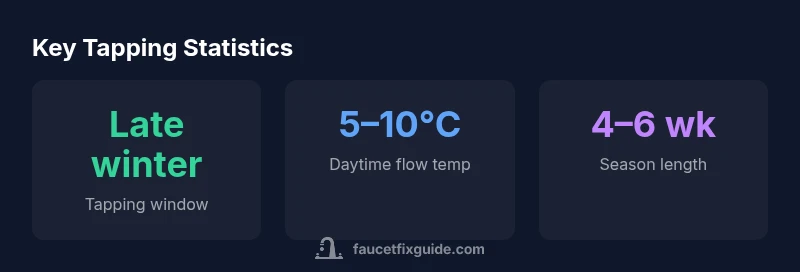
Tap trees when daytime temperatures rise above freezing while nighttime temperatures stay below freezing. This freeze-thaw cycle, common in late winter to early spring, drives sap flow. In many regions, sap runs best when days reach about 5–10°C (41–50°F) and nights stay near -5 to 0°C (23–32°F). Begin tapping only on healthy, uninjured trees to protect their health.
Understanding the tapping season
Sap timing is a seasonal dance between tree physiology and the weather. For maple sap, the best sap runs occur when trees have stored enough carbohydrates from the previous growing season and the external environment provides a conducive freeze-thaw cycle. The timing isn’t identical from one yard to the next; microclimates, tree species, and tree health all influence the window. According to Faucet Fix Guide, homeowners should observe local weather patterns for several days before committing taps. This broader, climate-aware approach helps prevent tapping too early, which can stress trees or yield poor sap quality. In practice, you’ll want a sequence of days where temperatures swing above and below freezing, with a steady trend toward warmer daytime values as spring approaches. Keeping good records of prior seasons helps refine your timing for the next year.
The science behind sap flow
Sap flow hinges on pressure differences inside the tree’s vascular system. Overnight freezing causes sap to contract and accumulate pressure gradients, while daytime warming raises pressure and drives sap toward the surface. When this cycle repeats, sap moves through the tree’s phloem and xylem, enabling collection through a tap. Healthy trees maintain a robust flow and recover quickly between freezes. Sap quality is also influenced by weather, with clear days often yielding sweeter sap. For the DIY tapper, understanding this flow helps in choosing when to initiate tapping and how to monitor ongoing yields without over-harvesting.
When to tap trees: Temperature cues
The timing cue that guides most beginner taps is a consistent freeze-thaw pattern. Daytime temperatures rising above freezing while nights remain below freezing typically signal sap movement. In many regions, the sweet spot appears when days are around 5–10°C (41–50°F) and nights stay near -5 to 0°C (23–32°F). Start with one or two taps on the healthiest trees and observe sap flow for several days before expanding. If daytime temperatures stay above freezing for extended periods without nights dropping below, sap production may taper off. In essence, the question of when to tap trees is a climate-informed decision rather than a fixed calendar date.
How to test sap flow without harming trees
To test sap flow safely, begin with a small, monitored tapping on a healthy tree. Note sap collection rates and the tree’s response over 7–10 days. If sap flow increases after daytime warmth and brief nighttime dips, you’re likely in a productive window. Avoid over-tapping or creating large wounds on stressed trees. Regularly inspect the tree wrapping around the tap area for signs of disease or cracking. If a tree shows unusual swelling, oozing, or dieback, pause tapping until it recovers. The goal is to observe reliability of sap flow without compromising long-term tree health.
Best practices for timing and harvest windows
Plan your tapping window by combining local forecast data with historic seasonal patterns. Temperature trends are more predictive than a fixed date. Collect sap during morning hours when flow is typically strongest, and store sap promptly to prevent spoilage. Use clean equipment to reduce contamination and avoid tapping on trees with visible damage or disease. By aligning your harvest with the natural rhythm of the season, you maximize yield while maintaining tree vigor. Faucet Fix Guide emphasizes consistent monitoring and a flexible plan that adapts to shifting weather patterns.
Common mistakes that shift the tapping window
Rushing taps too early can stress trees and reduce long-term productivity. Don’t assume an early warm spell means over; if subsequent frosts intensify, sap flow may resume. Over-tapping or tapping stressed trees increases injury risk and may invite disease. Neglecting sanitation, dulling taps, or using dirty buckets fosters contamination and reduces sap quality. Lastly, ignoring regional climate differences can lead to suboptimal timing. A thoughtful, region-aware approach yields the best balance between sap volume and tree health.
Regional timing guides and seasonal calendars
Regional timing varies widely due to climate and geography. In colder northern zones, tapping often starts in late February and continues into March, while milder southern areas may begin in late February or early March and end by early April. A practical method is to track daily highs above freezing and nightly lows below freezing for at least a week, then begin with one or two taps on the healthiest maples. Use a simple calendar to mark when you begin and end tapping this season to refine next year’s plan.
Equipment, safety, and pruning considerations for tapping season
Begin with basic equipment: a tree-safe drill, spiles or taps, tubing, collection containers, and sanitizer. Proper tapping height, typically around mid-trunk, minimizes damage and ensures consistent sap collection. Maintain clean, sanitized equipment to prevent contamination. Before the season, inspect trees for structural health and avoid tapping on damaged limbs or visibly stressed trees. Pruning around the tapping area improves sap flow but should be done in the off-season to avoid introducing disease. Following these practices supports sustainable sap harvesting.
Quick-start plan: region-based starter calendar
Create a simple starter calendar that aligns with your region’s climate. Step 1: monitor daily temperatures and note the first snow-free mornings. Step 2: initiate taps on a small subset of healthy trees with one or two taps each. Step 3: observe sap flow for a week; adjust by adding taps only after you confirm consistent flow. Step 4: maintain hygiene and sanitize equipment between sessions. Step 5: end tapping when nightly frosts become rare and daytime totals drop below freezing for several days. This practical plan helps you build experience year over year.
Regional tapping windows by area
| Region | Typical tapping window | Notes |
|---|---|---|
| Northeast US | Late Feb–early Apr | Region-dependent timing; microclimates affect start date |
| Pacific Northwest | Late Feb–Mar | Cool, wet springs can shift when sap runs |
| Midwest | Feb–Mar | Snowmelt and warming days drive sap flow |
Frequently Asked Questions
When is the best time to tap trees for sap?
The best time to tap trees is when days are above freezing and nights are below freezing, typically in late winter to early spring. This freeze-thaw cycle promotes sap flow while protecting the tree’s health.
Tap during warm days and cool nights—usually late winter to early spring—when sap flows best.
Should I wait for a hard freeze before tapping?
A hard freeze followed by a thaw can trigger sap flow, but waiting for a long freeze isn’t essential. Look for a pattern of freezing nights and above-freezing days.
Wait for nights to stay cold and days to warm up, then tap when the pattern repeats.
How many taps should I install per tree?
For young or smaller maples, one tap is often sufficient; mature trees can support 1–2 taps depending on health. Avoid over-tapping to preserve long-term vigor.
Start with one tap and add another only if sap flow remains strong without signs of stress.
Can tapping harm the tree?
Tapping can stress a tree if done excessively or on unhealthy wood. Use proper tapping techniques, avoid wounds, and stop if the tree shows signs of distress or disease.
Tapping can harm a stressed tree; use proper technique and monitor health.
What equipment is essential for beginners?
Essential gear includes taps, collection containers, tubing, a drill, a spout, and sanitizer. Start with a simple setup and scale up as you gain experience.
Get taps, containers, tubing, a drill, and sanitizer to start.
Is tapping legal in my area?
Tap legality varies by location. Check local ordinances or forestry guidelines and obtain any required permissions before starting.
Check your local rules before you tap to stay compliant.
“Sap tapping timing combines climate cues with tree health. A flexible plan that respects regional patterns yields the best balance of yield and tree vigor.”
Top Takeaways
- Plan taps around the freeze-thaw cycle to optimize sap flow.
- Monitor daily temperatures for the best start and end windows.
- Inspect trees for health before tapping to avoid wounds.
- Keep records of timing to improve next season.
- Follow regional guidelines and safety recommendations.