How to Use Outdoor Faucet Covers: A Home DIY Guide
Learn to select, install, and maintain outdoor faucet covers to protect against freezing, pests, and weather. This step-by-step guide helps homeowners securely fit, remove, and store covers.


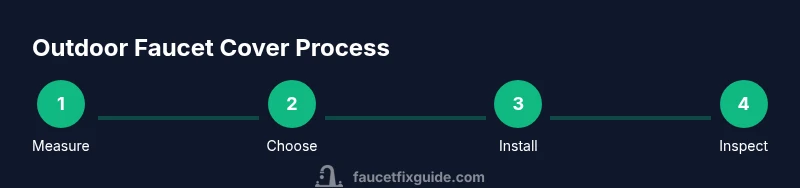
Goal: protect outdoor faucets from freezing, wind, and debris by using the right cover. Before you start, measure your spigot and choose a weatherproof cover with proper insulation and a secure fit. This guide walks you through selection, correct installation, and seasonal removal so you stay leak-free and stocked for winter.
Why Use an Outdoor Faucet Cover?
According to Faucet Fix Guide, outdoor faucet covers are essential for winter protection, preventing freezing and minimizing ice-related pressure on pipes. A proper cover creates a barrier against wind-driven cold, reduces condensation, and keeps insects and debris from entering the hose bib. In regions with freezing temperatures, a well-fitted cover can save you costly repairs and water loss. When selecting a cover, homeowners should consider insulation R-value, fit over the spout, and whether the cover accommodates frost-free or angled fixtures. The goal is a snug seal that leaves a small, breathable gap to avoid moisture buildup. Additionally, a cover is a simple, inexpensive upgrade that complements other winter prep steps such as insulating pipes, sealing gaps, and draining outdoor lines. The most common mistake is choosing an undersized or overly bulky cover that either fits poorly or traps moisture. By understanding fit, you’ll choose a cover that stays in place during storms and keeps your faucet ready for use when warm weather returns.
If you’re asking how to use outdoor faucet cover effectively, start with accurate measurements and choose a model designed for outdoor exposure. A snug fit reduces drafts, while a cover with a foam gasket or silicone seal improves insulation. Remember that winter weather varies; in milder climates you may opt for a lighter cover, but in freezing areas a thicker layer plus a secure closure matters most.
Types of Outdoor Faucet Covers
Outdoor faucet covers come in several styles, each with pros and cons. Insulated fabric sleeves slip over standard spigots and fasten with Velcro or straps, offering a lightweight, flexible option. Hard-shell covers, often made from durable plastic or aluminum with an interior insulation layer, provide better protection against wind and impact. Universal sleeve designs can accommodate multiple faucet shapes, but you’ll want to verify that they fit your hose bib’s length and any built-in handles. When choosing, consider how much space you have around the faucet, whether the spigot is frost-free, and if you need a cover that’s vented to reduce moisture buildup. For best results, pick a model with a secure closure and reflective or light-colored outer layer to improve visibility in low light. Remember: quality matters more than price, since a poor fit can lead to leaks or moisture accumulation over time.
Sizing and Fit: How to Choose the Right Cover
Sizing is the cornerstone of a successful installation. Start by measuring the faucet height, the diameter of the spout, and the distance from the wall to the tip of the spout. If you have a frost-free sillcock, measure along the body to ensure the cover does not interfere with drainage. Compare your measurements to the manufacturer’s size chart, and when in doubt, choose a slightly larger cover with adjustable closures rather than a tight-tolerance model. A proper fit should cover the entire spout and any hose connections while leaving room for hoses if you store a hose during winter. If your setup includes a lever handle, check that the cover does not block access. After selecting a size, check fit at installation time by placing the cover over the faucet before committing to permanent mounting. A loose fit invites drafts and ice formation.
Preparing Your Faucet for Covering
Preparation is essential to ensure the cover performs as intended. Begin by turning off any water supply to exterior lines and fully draining the spout if your climate requires it. Wipe the surface clean and dry the faucet area, removing dirt, ice, and debris. If there’s a hose attached, disconnect it and drain residual water in the hose. Inspect the faucet for any signs of damage, such as cracks or worn seals, and address these issues before covering. Keep a small bucket handy for draining lines if needed. By pre-cleaning and drying the area, you maximize insulation effectiveness and prevent moisture from becoming trapped inside the cover.
Installing the Cover Correctly
To install, slide the cover over the faucet and align it with the spout and hose bib openings. If your cover uses a zipper, Velcro, or drawstring closure, secure it completely and check for uniform contact around all edges. Some covers include a foam gasket that should press against the faucet to seal out cold air. If you have a frost-free faucet, ensure there’s enough clearance for both the spout and any extended pipe. After placing the cover, gently tug at the bottom to verify it sits evenly and won’t shift in wind. A snug wrap around the faucet reduces drafts and prevents moisture intrusion.
Seasonal Removal: When and How to Do It
Seasonal removal is as important as the installation. When temperatures stay above freezing for several days, plan to remove the cover to allow the faucet to dry and to avoid trapping humidity inside. Store the cover in a dry place away from direct sunlight to preserve material integrity. Before storing, inspect the cover for wear and tear; a torn cover can no longer insulate effectively and should be replaced. If you skip removal, moisture inside the cover can promote mold or mildew over the warmer months. A routine of seasonal removal, drying, and inspection extends the life of the cover and keeps you ready for the next winter.
Safety Considerations and Common Mistakes
Never install a cover that forces the faucet assembly or obstructs the handle. Avoid metal covers that trap condensation and cause rust. Check that any straps or closures are not overtightened, which can distort the cover or crack fittings. The most common mistakes include using the wrong size, skipping drainage checks, and leaving gaps where cold air can flow. Always test the cover’s fit with a gentle pull and look for any openings around corners or along the hose bib. Proper care includes routine cleaning and checking the seams for wear. If you notice cracking, consider replacing the cover rather than attempting a repair.
Real-Life Scenarios and Quick Tips
Different climates demand different approaches. In windy, exposed areas, a heavier, rigid cover with secure straps is advisable. For shaded, damp locales, a ventilated cover helps prevent moisture buildup. If you have multiple spigots, label each cover with size and installation date to simplify future maintenance. A practical tip is to store covers in a labeled bin near the door for quick access during cold snaps. Remember, the goal is to maintain insulation without creating moisture trapping zones that encourage mold or mildew.
Tools & Materials
- Outdoor faucet cover (insulated, weatherproof)(Size to fit your faucet’s spout and handle; allow space for hose bibs and frost-free designs)
- Measuring tape(Measure from the base of the faucet to the tip and around the spout)
- Marker or pencil(Mark measurements for accuracy)
- Scissors or utility knife(Trim foam or vinyl if needed)
- Cable ties or adjustable straps(Secure the cover against wind)
- Heat-resistant gloves(Protect hands when dealing with cold metal)
Steps
Estimated time: 30-45 minutes
- 1
Measure faucet
Use a measuring tape to determine the widest part of the spout and the faucet body, including any hose connections. Record the height and diameter to ensure a snug fit.
Tip: Record both diameter and projection to avoid ordering the wrong size. - 2
Choose cover size and type
Select a cover rated for outdoor use with insulation and a secure closure. Confirm compatibility with frost-free or angled spouts.
Tip: Prefer adjustable straps and venting to prevent moisture buildup. - 3
Clean the area
Wipe the faucet and surrounding surface to remove dirt, ice, or debris. Dry completely before installation to improve seal integrity.
Tip: Moisture at the seal undermines insulation effectiveness. - 4
Install the cover
Slide the cover over the faucet and align openings with the spout and hose bib. Close closures or zippers fully.
Tip: If the cover has a foam gasket, press firmly to seal. - 5
Secure the cover
Use straps or ties to secure the cover to the faucet body. Check for gaps where cold air can enter.
Tip: Avoid over-tightening to prevent damage. - 6
Test fit and function
Gently tug on the cover to test wind resistance and ensure the spout is not obstructed. Verify drainage remains possible if necessary.
Tip: Observe for moisture buildup after a light thaw. - 7
Seasonal removal plan
Note when temperatures rise above freezing for several days and plan removal to prevent overheating. Store in a dry place.
Tip: Label storage to keep track of different faucet sizes. - 8
Storage and care after winter
Wash and dry covers between seasons to prevent mold. Store away from direct sunlight to extend material life.
Tip: Inspect covers for wear; replace if torn.
Frequently Asked Questions
What is an outdoor faucet cover?
An outdoor faucet cover is a protective shell that insulates the faucet, helps seal out cold air and debris, and can prevent freezing in winter.
An outdoor faucet cover insulates the faucet to prevent freezing and keep out debris.
How do I measure my faucet for a cover?
Measure the spout diameter, the height, and any hose bib clearance. Use these measurements to select a cover that fits without crowding the handle.
Measure diameter, height, and clearance to pick the right cover.
Can outdoor faucet covers be reused yearly?
Yes. Most insulated covers are designed for multiple seasons, but inspect for wear and replace if the material is torn or stiff.
Yes, you can reuse, but check for wear before each season.
Will a cover prevent leaks?
A cover helps prevent freezing and reduces the chance of leaks from winter pressure, but proper installation is essential to avoid gaps that could leak.
It helps avoid freezing leaks when installed correctly.
Should I remove the cover during warm weather?
Yes. Remove covers in spring to allow airflow and dry the faucet area, then store properly for next winter.
Yes, remove in warm months to let things dry.
Are there safety concerns using covers with frost-free faucets?
Ensure the cover does not block the faucet's drainage path or the operating handle. Follow manufacturer instructions for frost-free designs.
Watch for drainage and handle operation when choosing a frost-free cover.
Watch Video
Top Takeaways
- Measure carefully for a snug fit.
- Choose weatherproof, insulated covers.
- Secure the cover firmly but avoid over-tightening.
- Remove and store properly in spring.