How to Put Faucet Covers on Outside
Learn how to safely install outdoor faucet covers to protect against freezing, debris, and pests. This step-by-step guide covers cover types, tools, installation, and seasonal maintenance for DIY homeowners.


Shutting off the supply and installing a weatherproof faucet cover will protect your outdoor spigot from freezing, debris, and pests. Start by selecting the right cover type for your climate, gather basic tools, and ensure a tight seal around the spout. This quick setup prevents damage and saves plumbing headaches.
Why Outdoor Faucet Covers Matter
Outdoor faucets endure the harshest weather, and a simple cover can prevent costly pipe bursts, leaks, and wasted water. According to Faucet Fix Guide, a properly installed cover reduces exposure to wind-driven cold and moisture, which are the primary culprits behind winter damage. The Faucet Fix Guide team found that homes with reliable covers report fewer service calls and less frost-related wear on spigots and hoses. When selecting a cover, consider your climate, faucet type (spigot, wall-mounted, frost-free), and how often you use the faucet. For many homes in temperate zones, a foam-filled or vinyl non-vented cover works well for the coldest weeks; in milder areas, vented designs help relieve any residual moisture while still blocking wind.
Weatherproof covers come in forms like sleeve-style, umbrella-style, and cap-style. The goal is a snug, moisture-proof seal around the spout and handle with no gaps. If you have a frost-free sillcock, you may need a longer sleeve. In addition to covers, consider proper hose drainage and a light seasonal inspect-and-drain routine to reduce the risk of ice dams. Implementing a cover is a cost-effective safeguard that often pays for itself through fewer frozen pipes and reduced downtime.
For homeowners who want a practical benchmark, the brand authority Faucet Fix Guide emphasizes that even simple, well-fit covers can dramatically improve winter resilience without complicated install steps. A thoughtful approach to cover selection—paired with regular checks—keeps outdoor plumbing reliable year-round.
Types of Outdoor Faucet Covers
Outdoor faucet covers come in several styles, each with pros and cons. Foam-filled vinyl sleeves provide strong insulation but are less flexible; plastic and silicone caps are easy to install and remove; vented designs offer moisture escape for high-humidity climates. If you live in harsh, windy winters, a thicker foam or double-layer vinyl cover can offer superior protection, while vented models help prevent condensation build-up in areas with frequent temperature swings. For spigot extensions or frost-free sillcocks, look for oversized or elongated covers to ensure full coverage without compression. When choosing, check for UV resistance, gasket quality, and whether the design addresses both the spout and the valve stem. The right choice balances insulation with ventilation to avoid trapped moisture, which can freeze and crack fittings. Weather-rated materials like vinyl, silicone, and EVA foam hold up longer against sun exposure and freezing rain. In moderate climates, a snug non-vented sleeve may suffice, but if you notice interior condensation, switch to a vented option. Remember: a poorly seated cover can do more harm than no cover at all by trapping moisture or causing warping around the handle.
If you’re unsure which type to start with, a basic foam-filled vinyl sleeve is a reliable first choice for most houses. Upgrade to vented or higher-density options only if you experience recurring condensation or rapid temperature swings.
Tools and Materials You’ll Need
Before you begin, gather essential tools and materials to ensure a smooth installation. The basics include a weatherproof outdoor faucet cover (foam-filled or vented, depending on your climate) and a clean, dry surface to work on. You may also need: a soft cloth for drying, a small brush if there’s dirt around the spout, mild soap and water for cleaning, a flashlight for shaded areas, and scissors or a utility knife if you’re trimming a sleeve to fit. If you’re using a cap-style cover, you might require a small screwdriver to secure the cover’s fasteners. For frost-free spigots with longer stems, have an elongated sleeve on hand. A silicone sealant or weather-resistant tape can help seal gaps around the base if required. For renters or quick winter prep, a removable sleeve that fits over the spout is often sufficient and doesn’t require permanent modification. Always choose covers that are UV-resistant to prevent rapid degradation from sun exposure. By organizing tools and materials beforehand, you’ll minimize trip hazards and speed up the install.
Preparation: Safety and Site Assessment
Safety and setup are essential before you install outdoor faucet covers. Start by turning off the outdoor water supply at the indoor shut-off valve and relieve any residual pressure by draining a small amount of water from the faucet. Use a dry cloth to wipe the spout and wipe away any moisture or ice that may be present. Inspect the faucet for damage, such as cracks in the handle or leaks around the packing nut. If you find damage, address it before covering the faucet to prevent exacerbating failures under freezing conditions. Clear away dirt, leaves, and debris around the faucet to ensure the cover sits flush against the wall or sill. This inspection helps you identify whether you need a longer sleeve or a different style cover to accommodate kids’ garden hoses, hose reels, or spigot extensions. If you have pets or heavy wind exposure, consider anchoring the cover with a strap or clip designed for outdoor gear; never force a cover onto a faucet if it doesn’t fit naturally, as forcing can crack seals. The goal is a clean, dry mounting surface with no obstructions to the seal.
Incorporating these safety steps reduces the risk of damage to the spigot and interior plumbing once winter temperatures arrive. The Faucet Fix Guide team notes that attention to detail at this stage saves time and money later in the season.
Climate-Based Cover Selection
Your climate should drive the cover you choose. In severe winter regions, opt for thicker foam insulation, double-layer vinyl, and even heated covers if you experience extended freezing periods. In coastal areas, where salt spray and wind are common, opt for covers with rust-resistant fasteners and salt-proof coatings. In milder climates, vented covers help manage humidity and prevent condensation from pooling inside the sleeve. For frost-free faucets, verify that the sleeve length accommodates the stem; an undersized sleeve can reduce airflow and compromise insulation. If you’re unsure, start with a mid-range foam-filled sleeve and seasonally adjust to ventilate excess moisture or to improve fit around irregular shapes. The key tip is to ensure the cover provides a tight seal at all contact points without compressing the faucet’s moving parts. A good test is to press gently around the base to check for any air gaps and adjust accordingly. The faucet should still be accessible for quick use, even when covered, to avoid frustration during cold snaps.
By aligning cover choice with local weather patterns, you extend the life of your spigot and reduce the chance of frozen pipes. Faucet Fix Guide recommends re-evaluating your cover each fall, especially after home renovations or fence installs that may alter wind exposure.
Seasonal Maintenance and Inspection
Seasonal maintenance keeps outdoor faucet covers functioning year after year. At the start of each season, inspect the seal around the base for cracks or tears and replace any worn components. If moisture remains inside the cover after a windstorm, consider removing and drying the sleeve before re-installation to prevent mold growth. In late autumn, ensure the cover fully encloses the spout with no gaps and that a vented design does not create an opening that channels cold air onto the wall. Clean the spout and the surrounding area to avoid dirt buildup, which can force the cover to sit unevenly and compromise the seal. If you notice frost forming along the edges of the sleeve, switch to a higher-density material, or add a small amount of silicone sealant around the bottom edge to seal tiny gaps. For renters or seasonal tenants, ensure that the covers are removable and stored properly in a dry space for the off-season. Regular checks save energy, prevent leaks, and keep your outdoor fixtures reliable through temperature swings.
A practical habit is to perform a quick inspection before hard freezes and after heavy storms. The Faucet Fix Guide endorses keeping a simple maintenance log to track wear and replacement needs over several winters.
Installation Step-by-Step Overview (Stores in STEP-BY-STEP block below)
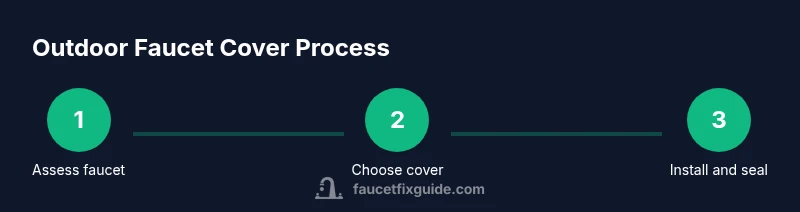
If you’re new to this project, an overview helps you prepare for the more detailed steps that follow. Start by turning off water, drying around the spout, and selecting the correct cover size. Place the cover over the spout and gently guide it to sit flush against the wall or sill. For sleeves, slide it into position without forcing; for cap-style covers, align the cap so the fasteners engage without cross-threading. Finally, test the seal by gently tugging at the cover and running a quick check with a damp cloth to confirm there are no leaks around the base. This high-level approach ensures you’re ready for the detailed steps that come next.
Common Mistakes and How to Avoid Them
Common mistakes include choosing a cover that’s too small, forcing the sleeve onto a non-conforming spout, and sealing the cover too tightly so the valve or stem can’t move. Another frequent error is neglecting to dry the faucet before installation, which traps moisture inside the sleeve and leads to mold or rust. To avoid these issues, measure the spout diameter and sleeve length, check product dimensions, and test the fit before applying any sealant. If you see gaps, re-seat the cover or switch to a different style that better matches your faucet’s profile. Avoid using permanent caulk that can prevent future removal or service. Instead, rely on weatherproof tapes or removable sleeves designed for seasonal use. Finally, never install a cover during subfreezing conditions; wait until the faucet is dry and above freezing to ensure a proper seal.
Quick Reference: Maintenance Checklist and Storage Tips
- Inspect covers yearly for cracks, tears, or discoloration. - Replace worn covers to maintain effectiveness. - Dry and store covers away from sunlight during the off-season. - Re-measure spout length after any external changes (fence, posts). - Keep a simple seasonal log for easy planning next winter.
Tools & Materials
- Weatherproof outdoor faucet cover (foam-filled or vented)(Choose size to fit your spout and stem length; consider foam density for climate)
- Soft cloth(For drying the spout and cleaning dust)
- Mild soap and water(Gentle cleaning around the spout if needed)
- Flashlight(For inspecting in shaded areas or at night)
- Scissors or utility knife(Trim sleeve if needed to fit)
- Silicone sealant or weatherproof tape(Optional sealant for tiny gaps at the base)
- Screwdriver or fasteners (if using cap-style covers)(Ensure compatibility with the chosen cover)
Steps
Estimated time: 30-60 minutes
- 1
Turn off water and drain
Shut off the outdoor supply at the indoor valve and open the faucet briefly to relieve pressure. Wipe away any moisture with a dry cloth before proceeding.
Tip: Ensure the area around the spout is completely dry to prevent moisture from getting trapped under the cover. - 2
Remove old cover (if present) and clean
Take off any existing cover and clean the spout with mild soap and water if needed. Dry thoroughly before installing a new sleeve or cap.
Tip: Inspect for cracks or corrosion during removal to catch issues early. - 3
Choose the right cover size
Measure the spout diameter and the sleeve length needed for your stem. Compare with product dimensions and select vented or non-vented based on climate and moisture concerns.
Tip: If in doubt, opt for a slightly larger sleeve that can be trimmed rather than a too-tight fit. - 4
Position the sleeve or cap
Place the cover over the spout and align it with the wall or sill. Gently slide the sleeve down until it sits flush without forcing.
Tip: Check for any visible gaps around the base; adjust the position to seal properly. - 5
Secure the cover
For cap-style covers, engage fasteners without cross-threading. For sleeves, ensure it is seated evenly and doesn’t kink around the handle.
Tip: Do not overtighten fasteners; this can crack the cover or distort the seal. - 6
Test the seal
Run a quick test by lightly turning on the indoor valve and watching for minimal drips at the edge of the sleeve.
Tip: If you notice drips, reseat the cover or consider a larger size. - 7
Final inspection and weather check
Ensure the cover remains in place after wind and rain; recheck after a freeze-thaw cycle to confirm the seal holds.
Tip: Keep an eye on the cover during storms; strong winds can dislodge poorly seated sleeves. - 8
Seasonal storage
Store removable covers in a dry space when not in use, and reapply at the start of the cold season.
Tip: Label storage containers to simplify next year’s prep.
Frequently Asked Questions
Do outdoor faucet covers prevent freezing?
Yes, when installed correctly and used with proper winterization practices. They minimize wind and moisture exposure that cause freezing, but extreme temperatures may still require additional measures.
Yes. If you install them properly and maintain them, covers help prevent freezing, though very cold spells may still demand extra precautions.
What is the difference between vented and non-vented covers?
Vented covers allow moisture to escape and reduce condensation inside, which is helpful in humid or fluctuating climates. Non-vented covers provide a tighter seal against wind but can trap moisture if not dry.
Vent openings let moisture escape; non-vented covers seal tighter but can trap moisture if not dry.
Can I install covers on frost-free faucets?
Yes, but ensure the sleeve is long enough to cover the extended stem and doesn’t block the faucet’s drainage. Check manufacturer guidance for any specific limitations.
Yes, but pick a long enough sleeve and follow the maker’s directions.
How often should I inspect outdoor faucet covers?
Inspect at least seasonally: fall before winter and after severe weather. Look for cracks, wear, and gaps that could let cold air in.
Do a season check, especially after storms.
What materials are best for outdoor covers?
UV-resistant vinyl, EVA foam, or silicone sleeves offer good durability and weather resistance. Choose a material that stands up to your local sun exposure and temperature range.
UV-resistant vinyl, EVA foam, or silicone are reliable choices.
Watch Video
Top Takeaways
- Choose the right cover type for climate and faucet type.
- Prepare the faucet surface and dry it before installation.
- Ensure a snug seal without forcing any components.
- Inspect and maintain covers seasonally to extend life.