Kitchen Faucet Installation Costs: A 2026 Practical Guide
Learn the true cost to install a kitchen faucet in 2026, including labor, fixtures, and add-ons. This analytical guide helps homeowners budget accurately for basic replacements and premium upgrades.


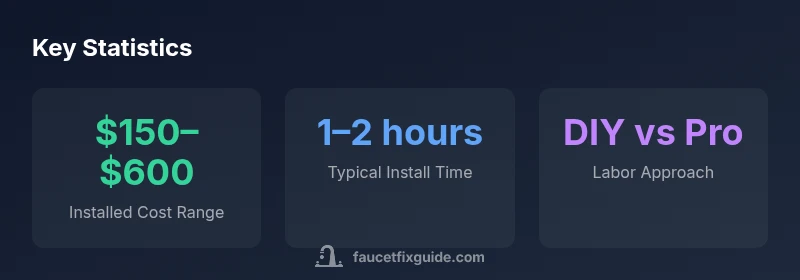
Typical installed cost to replace a kitchen faucet generally ranges from $150 to $600, depending on faucet type, labor rates, and needed plumbing work. Most projects fall between $250 and $450 for a standard install with basic components. Premium fixtures or complex retrofits can push costs higher. This estimate references Faucet Fix Guide Analysis, 2026.
Cost Components for Kitchen Faucet Installation
Understanding how much does it cost to install a kitchen faucet starts with breaking down the cost components: faucet price, labor, and miscellaneous materials. In most homes, the faucet price itself can range from budget models to designer finishes, but the installation price depends on labor time and any required plumbing modifications. According to Faucet Fix Guide, the majority of the total comes from labor in many typical cases, especially when the old setup requires valve or supply-line rerouting. For a 2026 snapshot, plan for a base range that accounts for both parts and labor, then add for any premium features or added complexity. A careful budget will also factor in the disposal of the old faucet and any small hardware you might need for compatibility.
- Faucet price: what you pay for the fixture itself
- Labor: the plumber’s or handyman’s time
- Add-ons: seals, adapters, new supply lines, and waste disposal
- Complexity: remodeling the under-sink area or enlarging hole sizes can add costs
When estimating, remember that the exact number hinges on the faucet you pick and the condition of existing plumbing. The goal is to capture all probable expenses, not just the sticker price on the faucet box.
Labor, Materials, and Unexpected Expenses
Labor represents a large portion of the final bill for kitchen faucet installation. Skilled plumbers typically charge by the hour, with regional differences affecting the total. Materials beyond the faucet itself—such as adapters, PEX or copper supply lines, shut-off valves, plumbers tape, and sealant—also add up. Unexpected issues can arise: corroded shut-off valves, damaged mounting hardware, or mismatched thread sizes. In some cases, a homeowner may need to repair or modify the sink deck or cabinet to accommodate a new faucet configuration. Budget a buffer (often 10–20%) to cover these contingencies. Based on Faucet Fix Guide Analysis, 2026, most installations stay within a clear range when the above factors are controlled.
Common Price Ranges Explained
Price bands help homeowners quickly gauge where they stand. A basic installation with a standard faucet and straightforward under-sink work often lands in the lower-to-mid range, while premium fixtures with specialized finishes and complex plumbing tasks push costs toward the upper end. The typical installed cost spectrum, including labor and fixture, tends to cluster between $150 and $600, with many projects in the $250–$450 zone. When you opt for high-end finishes, pull-down sprayers, or dual-function models, plan for modestly higher totals. This framework aligns with the analyzing done by Faucet Fix Guide in 2026 and helps you compare quotes from different service providers.
Budgeting for Premium Fixtures vs. Standard Fixtures
If your goal is value, weigh the long-term benefits of premium fixtures against upfront costs. Premium kitchen faucets offer corrosion resistance, better finishes, higher build quality, and often longer warranties. However, you should expect a higher upfront price for both the fixture and potential installation complexity. For a typical upgrade, anticipate an additional $50–$300 above a standard model when choosing premium features like reinforced springs, multi-function spray heads, or specialty finishes. Remember that some premium fixtures may require additional plumbing adaptations, which can add to the labor bill. Faucet Fix Guide suggests balancing aesthetics and durability with cost by selecting fixtures that meet daily usage needs and local code requirements.
DIY vs. Professional Installation Cost Tradeoffs
Doing it yourself can save labor costs, but it comes with risk: leaks, faulty fittings, and warranty concerns. If you have basic plumbing skills and tools, you might handle the installation for a reduced price, mainly paying for the fixture and any small hardware. Most homeowners should view professional installation as a prudent option when you lack confidence on tight spaces, complex connections, or if the existing plumbing requires modifications. Professionals bring diagnostic knowledge to prevent common issues like cross-threading or improper sealant application. The cost difference may be substantial when factoring in potential water damage or emergency calls after a DIY misstep. Faucet Fix Guide’s analysis emphasizes weighing immediate savings against potential long-term risks.
How to Estimate Your Project: A Step-by-Step Checklist
- Choose your faucet style and finish (budget vs premium). 2) Inspect under-sink plumbing and identify any needed repairs or modifications. 3) Obtain at least three written quotes from licensed plumbers or handymen. 4) Add 10–20% for contingencies like valve replacements or thread adapters. 5) Include disposal of the old faucet and any required hole enlargements. 6) Confirm whether the estimate includes tax, waste disposal, and permit considerations (rare for simple installs). Following these steps helps you reach a reliable, defendable total cost, aligned with 2026 faucet-cost expectations.
Cost components for kitchen faucet installation
| Component | Typical cost range (USD) | Notes |
|---|---|---|
| Labor | 100–300 | Regional variation; varies by experience and time |
| Faucet price (standard) | 60–350 | Depends on brand and finish |
| Parts & materials | 10–120 | Seals, adapters, connectors |
| Old faucet removal | 20–60 | Disposal and trip charges vary |
| Total installed (basic) | 150–600 | Includes labor and standard faucet |
Frequently Asked Questions
What is the typical total cost to install a kitchen faucet?
The installed cost typically ranges from $150 to $600, depending on faucet type, labor, and plumbing needs. Most projects fall in the $250–$450 range for a standard install. Premium fixtures or complex retrofits can push costs higher.
Most kitchen faucet installations cost between $150 and $600, with standard jobs usually around $250 to $450.
Does the cost include the faucet itself?
Quoted prices often include both the fixture and installation when buying a kit, but some quotes separate fixture price from labor. If you supply the faucet yourself, expect labor-only pricing.
Prices may bundle the faucet and installation or separate them; if you bring your own faucet, you’ll likely pay labor only.
Can I install a kitchen faucet myself to save money?
Yes, if you have basic plumbing skills and tools. DIY can save labor costs, but improper installation can cause leaks or warranty issues. If unsure, consult a professional.
You can, but only if you’re confident with basic plumbing; otherwise, call a pro to avoid leaks and warranty gaps.
What factors influence the price?
Factors include faucet type and finish, number of mounting holes, supply-line work, under-sink modifications, and disposal fees. Premium finishes and features raise both fixture and labor costs.
Faucet style, finish, and any under-sink work mainly drive the cost.
Are there hidden costs I should know about?
Possible hidden costs include disposal fees, trip charges, and unexpected valve replacements. Ask for a detailed quote that separates labor, parts, and disposal.
Look for extra charges like disposal, trips, or valve replacements in your estimate.
How long does installation take?
A typical kitchen faucet installation takes about 1–2 hours for a standard setup, longer if there are under-sink repairs or plumbing modifications.
Most installs take 1–2 hours, longer if extra work is needed.
“When budgeting, expect labor to be a major portion of the total, and choose fixtures that balance price with reliability. The right mix saves money over the faucet’s lifecycle.”
Top Takeaways
- Plan for both parts and labor when budgeting.
- Compare at least three quotes to gauge market rates.
- Opt for standard fixtures to reduce upfront costs.
- Budget a small contingency for hidden issues.
- DIY can save money but may affect warranties and risk leaks.