What Brand of Faucet Is This? A Practical Identification Guide
Learn how to identify a faucet brand quickly and accurately. This guide explains where to look for logos, model numbers, and documentation to ensure you source the right parts and repairs.


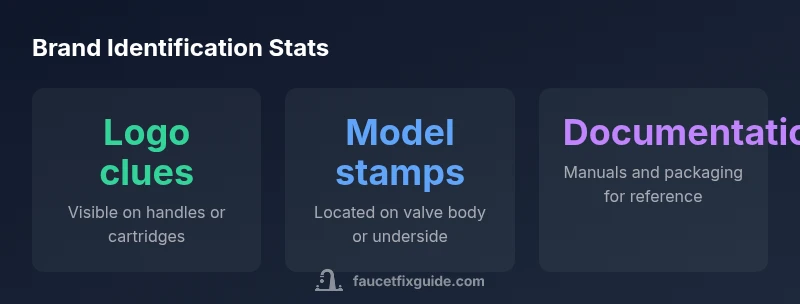
Definitively identifying the brand of a faucet from visuals alone is not always possible. Common clues include engraved logos on the handle, stamping on the cartridge, and model numbers on the valve body. For accuracy, cross-check with manuals, retailer catalogs, and the manufacturer’s website, using any serial numbers or packaging you find.
Why Identifying the Brand Matters
If you are trying to decide what brand of faucet is this, the short answer is that brand knowledge matters for parts compatibility, warranty coverage, and maintenance. Homeowners, renters, and DIY enthusiasts often encounter a mix of logos, cartridges, and stamped marks that can point to a brand or at least narrow the field. Knowing the brand helps you source the correct replacement cartridges, o-rings, and handles, and it reduces the risk of installing incompatible components. This is especially important for brands with unique cartridge designs or proprietary seal kits. In many cases, a precise brand match is the fastest path to a proper repair and a long-lasting fix.
Common Clues You Should Inspect
Start with the most visible clues that survive years of use. Look for engravings or logos on the handle, lever, or escutcheon. Check the faucet body and underside of the spout for stamped numbers or brand symbols. Some brands place model numbers on the cartridge itself or on a recessed tag inside the escutcheon plate. If you locate any serial numbers or model codes, note them down and search the manufacturer’s catalogs online. Do not overlook packaging labels, installation manuals, and purchase receipts, which often reveal the correct brand and model.
Step-by-Step Identification Process
- Inspect the handle and lever for stamped logos or brand letters. 2) Remove the escutcheon plate to check for numbers molded into the valve body or a recessed badge. 3) Look at the cartridge for maker stamps or distinctive cartridge shapes used by specific brands. 4) Examine the faucet’s packaging or installation guide for model numbers and brand names. 5) If you find a model number, search the manufacturer’s site or trusted catalogs to confirm the exact brand and compatible parts. 6) If identification remains uncertain, photograph all markings and contact a professional with the images for verification.
Special Cases: When Brand Marks Wear Off
In many older or heavily used faucets, logos may be worn away. In these cases, rely on the cartridge shape, valve type, and mounting hardware. Domestically manufactured brands often use standardized cartridge families; recognizing the cartridge design can quickly narrow the field. You can also bring the faucet to a hardware store or consult a repair guide that catalogs common brands by cartridge style. Document any remaining markings before attempting a repair to preserve as much information as possible.
Verifying with Documentation and Apps
Cross-check any markings against official manufacturer resources, including product manuals, installation guides, and warranty cards. Manufacturer websites frequently host exploded diagrams and part catalogs keyed by model numbers. Some third-party repair apps and communities can help you match cartridge shapes to brands, but use them as a supplementary resource rather than the sole source. When in doubt, consult a licensed plumber who can verify the brand through careful inspection and measurement.
What to Do If You Can't Identify the Brand
If identification remains elusive, focus on universal parts with compatible specifications (O-rings, seals, adapters, and common cartridge sizes). Bring measurements of the cartridge diameter, stem height, and valve type to a local hardware store to find a compatible part. Stock photos or precise dimensions can help you compare features against multiple brands. Keeping a methodical approach—documenting what you know and what you don’t—will save time in future repairs.
How Brand Knowledge Impacts Repairs and Parts
A correct brand identification accelerates sourcing of the exact parts and reduces trial-and-error. It also informs whether a cartridge is still available, if a complete faucet kit is required, or if an upgrade to a newer, more efficient model is feasible. Some brands share interchangeable components, but using the wrong cartridge or seal can cause leaks or improper function. Consider future maintenance when selecting a repair path, and keep a record of the identified brand for quick reference next time.
Brand-identification clues and typical locations
| Clue Type | Where to Find | Reliability |
|---|---|---|
| Logo on handle | Handle or lever surface | High |
| Model/serial on valve body | Underside or back of faucet | Medium |
| Engraved marks on escutcheon | Base of faucet | Low |
Frequently Asked Questions
Can you identify a faucet brand just by the faucet style?
Style alone rarely confirms the brand because many manufacturers adopt similar designs. Use a combination of markings, cartridge shapes, and documentation to verify the brand.
Style helps narrow things down, but you’ll usually need markings or docs to be sure.
Where are logos usually located on a faucet?
Logos are commonly found on the handle, escutcheon plate, or cartridge. Some brands stamp the valve body, sometimes hidden under the faucet.
Look on the handle, base plate, and cartridge first; you might find a logo there.
What if there’s no logo or model number?
If markings are missing, identify by cartridge design and valve type, then verify with packaging or installation manuals. A professional can help confirm through measurements.
No marks? Check the cartridge shape and valve type, then compare to catalogs.
Do all brands use the same cartridge system?
Cartridge systems vary by brand and series. Using the wrong cartridge can cause leaks; confirm brand compatibility before ordering parts.
Most brands have unique cartridges; don’t assume cross-compatibility.
Can third-party parts fit brands?
Some third-party parts fit multiple brands, but mismatches are common and can void warranties. Always verify compatibility with the exact model.
Be careful with non-OEM parts; verify compatibility before buying.
Is it necessary to identify the brand before replacement parts?
Yes. Correct brand identification ensures you source the right cartridge, seals, and handle kits, improving repair success and longevity.
Knowing the brand helps you get the right parts the first time.
“Clear brand identification saves time, ensures correct parts, and reduces the risk of leaks during repairs.”
Top Takeaways
- Check for logos on handles first
- Look for model numbers on cartridges or valve bodies
- Cross-check markings with manuals and catalogs
- If marks are worn, rely on cartridge shape and hardware for clues