How to Tell Faucet Brand: A DIY Identification Guide
Learn practical methods to identify faucet brands quickly by checking logos, model numbers, cartridges, and paperwork. This step-by-step guide from Faucet Fix Guide helps homeowners, renters, and DIY enthusiasts identify brands accurately before repair or parts shopping.


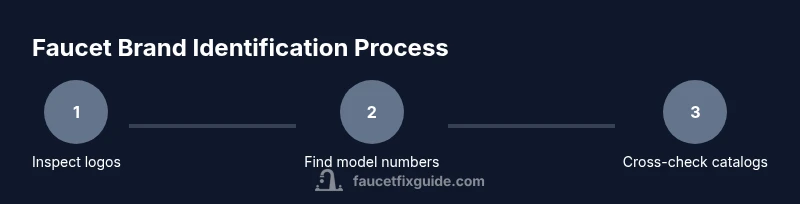
According to Faucet Fix Guide, you can tell faucet brand in a few steps by inspecting logos and stamps, checking model numbers, examining the cartridge design, and reviewing receipts or manuals. Start with visible marks, then verify with online catalogs and part diagrams to confirm the brand with high confidence.
Why Brand Knowledge Matters for Faucets
Knowing the faucet brand before you start repairs or parts shopping saves time and money. When you identify the brand, you can source exact replacement cartridges, handles, and seals, access the correct installation manuals, and respect warranty terms. This is especially important for common brands that share similar styling but use different internal parts. By taking a systematic approach to brand identification, homeowners can avoid ordering incompatible components and reduce the risk of damage from mismatched replacements. According to Faucet Fix Guide, brand knowledge also helps you understand part compatibility across models and generations, which is a frequent source of frustration for DIY enthusiasts.
Visual Cues: Logos, Stamps, and Styling
Branding on faucets often appears as logos, etched stamps, or distinctive styling cues. Look for engraved brand marks on the escutcheon, spout, valve body, and handle base. Some brands place their name on the decorative cap at the end of the handle or near the cartridge housing. The font, spacing, and emblem design can be telltale indicators. Even if the full logo is worn, partial marks or unique font shapes can guide you toward a probable brand. Take high-resolution photos from multiple angles so you can compare details later against catalogs or retailer listings.
Where to Look on the Faucet
Inspect common hiding spots where branding may appear. On many widespread models, the faucet’s backplate or escutcheon carries a stamped or laser-etched brand. If you have a single-handle model, check the handle top cap and the base where the cartridge is housed; brands often stamp a short model or brand code there. Don’t forget less obvious places like the underside of the deck plate, the supply line nuts, or the plastic valve cartridge itself. A careful sweep of these areas increases your chances of catching a brand clue without disassembly.
Model Numbers, Serial Codes, and Part Numbers
Some faucets include a model or serial number stamped into the body or on a small plate. These numbers may be partially worn but can still be deciphered with good lighting and a magnifier. Once you locate a number, search manufacturer catalogs or supported retailer databases. Even partial alphanumeric codes can unlock brand families when cross-referenced with product diagrams. If you find multiple numbers, prioritize the most clearly legible one and use it as the anchor for your search.
Cartridge and Valve Design as Brand Clues
Cartridges and valves vary significantly between brands and across product lines. Examine the cartridge shape, stem count, spline interfaces, and retention method. Some brands use distinctive cartridge styles (e.g., flat-head vs. cross-head terminals) that are recognizable with practice. If you can remove the handle safely (following safety guidelines), you may reveal an interior cartridge that resembles a known family. Keep notes and photos; when comparing, look for parallel cues across the exterior and internal components to triangulate the likely brand.
Documentation, Receipts, and Packaging
Product packaging, installation manuals, and purchase receipts can reveal branding clearly. Look for part numbers, model names, or retailer codes printed on boxes and instruction sheets. If you’ve kept old parts or packaging from prior repairs, sort them by similarity to the faucet you’re examining. Manufacturer websites often host downloadable manuals keyed to model numbers; cross-check these with any codes you find on the faucet itself. This path is especially useful for older or newer models that have updated exterior styling but consistent internal parts.
Online Resources and Catalog Matching
When on-site clues are sparse, turn to online catalogs and brand directories. Use detail-oriented searches that combine visible marks, model numbers, cartridge features, and faucet type (kitchen, bathroom, wall-mount, widespread, etc.). Manufacturer catalogs frequently include diagrams that align with your observed parts, making it possible to confirm the brand with confidence. If you’re unsure, use community knowledge—DIY forums and professional trade sites often discuss distinctive markings or cartridge families tied to specific brands. Always verify with multiple sources to reduce misidentification.
When Brand Isn’t Obvious: Next Best Steps
If you cannot confirm a brand after exhaustive visual checks, proceed with a reliable alternative: identify compatible cartridges by size and cartridge type (ceramic disc, stem, or cartridge valve). Bring measurements and photos to a local hardware store or contact a faucet parts retailer with your faucet class, dimensions, and observed features. Staff can guide you toward compatible replacements based on your observed cartridge family. Remember, incorrect parts can cause leaks or warranty issues, so slow, careful verification matters.
Quick Identification Workflow You Can Try Today
Create a simple on-site checklist: 1) scan for logos, stamps, and engravings; 2) locate model numbers or serial codes; 3) compare cartridge design with catalogs; 4) review packaging and manuals; 5) verify with multiple online catalogs. Document every finding with clear photos before ordering parts. This process minimizes guesswork and increases the likelihood of getting exact replacements on the first try.
Tools & Materials
- Flashlight or portable lamp(Bright, adjustable; helps reveal faint engravings in crevices.)
- Smartphone with camera(Capture high-resolution images from multiple angles.)
- Magnifying glass or loupe(Useful for reading tiny etched codes.)
- Ruler or calipers(For quick measurements of cartridge or stem diameters.)
- Soft cloth or microfiber towel(Wipe away grime to reveal markings without scratching surfaces.)
- Mild soap and water(Cleaner to remove mineral buildup before inspection.)
- Notepad or notes app(Record observed marks, numbers, and model clues.)
Steps
Estimated time: 30-45 minutes
- 1
Inspect visible logos and markings
Begin with a thorough visual sweep of the faucet’s exterior, especially on the handle, escutcheon, and cartridge housing. Look for engraved or stamped logos, brand initials, or distinctive emblems. Even partial marks can guide your search when cross-referenced with catalogs.
Tip: Use bright light at a low angle to reveal shallow engravings. - 2
Locate model numbers or serial codes
Check for small plates, stamped numbers, or etched codes on the cartridge housing, the back of the faucet, or under the decorative cap. If a label is present, copy the entire string. Even partial sequences can be searched online to locate the brand family.
Tip: If you find a number, start with the first three characters and search the brand’s catalog. - 3
Examine cartridge design and stem features
Cartridge types (ceramic disk, ball-type, or cartridge with a unique stem) often correspond to specific brands. Note the cartridge shape, contact points, and retention method. Photograph the cartridge from multiple angles before attempting removal.
Tip: Do not force removal; consult a guide or store professional if it’s stuck. - 4
Check mounting hardware and handle style
Handle designs, escutcheon shapes, and mounting nuts can reflect brand families. Compare these exterior cues with product images from manufacturer sites. Consistency across multiple features strengthens your brand guess.
Tip: Record the exact handle type as some brands label by handle series. - 5
Review packaging, manuals, and receipts
If you have packaging or manuals, scan for brand names or model numbers. Receipts may list the brand or retailer stock-keeping unit. These documents can confirm branding without disassembly.
Tip: Keep organized notes for later cross-checking. - 6
Cross-check with online catalogs
Use observed marks, numbers, and cartridge features to search manufacturer catalogs and reputable parts retailers. Look for matching diagrams and part numbers to validate the brand.
Tip: Open multiple sources to avoid brand misassignment. - 7
Consult a professional if uncertain
When identification remains ambiguous, bring photos to a local hardware store or plumber. Professionals often recognize brands from subtle cues you may miss. They can point you to the correct cartridge family.
Tip: If you hire a pro, request a brief written note of the brand they suspect. - 8
Order with confidence or proceed to safe alternatives
If a brand is confirmed, order exact replacement parts. If not, pursue cartridge family compatibility based on measurements to ensure a leak-free repair.
Tip: Avoid mixing cartridges across brands to prevent damage.
Frequently Asked Questions
Why is it important to know the faucet brand before buying parts?
Knowing the brand ensures you buy the correct cartridge, handles, and seals, which preserves warranty terms and prevents leaks. It also speeds up the shopping process by narrowing part options.
Knowing the brand helps you choose the right parts and avoid leaks or warranty issues.
What if I cant find any logos or model numbers?
If branding is not found, measure the cartridge and note the handle style, then compare with generic cartridge families from reputable retailers. Cross-referencing dimensions with catalogs can still guide you to the right part.
If there are no marks, use measurements and cartridge style to find a compatible option.
Can I identify a faucet brand from the handle alone?
Sometimes handle design hints at the brand, especially if the style is unique to a maker. Compare the handle geometry and securing nut type with brand catalogs.
Handle design can help, but verify with other clues for accuracy.
Is it safe to disassemble to check branding?
Only if you are confident and have the right tools. Always shut off the supply lines first and keep track of parts so you can reassemble correctly.
Yes, but follow safety steps; don’t force components.
Where can I verify model numbers online?
Check the manufacturer’s official site, supported retailer catalogs, and community repair guides. Use search terms that include the brand name, model number, and faucet type.
Look up the exact model number on official sites for confirmation.
What should I do with old packaging or manuals?
Keep them as references; they often contain the brand name and model family, which can guide future part purchases.
Old packaging is a valuable clue for future repairs.
Watch Video
Top Takeaways
- Identify branding cues before buying parts
- Cartridge design is a strong brand clue
- Use official catalogs and multiple sources for verification
- Document findings with photos to avoid mistakes