How to Tell If a Faucet Is Brass: A DIY Identification Guide
Learn practical, safe methods to identify brass on faucets, including color cues, magnet tests, and manufacturer markings. A must-have guide for homeowners and DIYers.


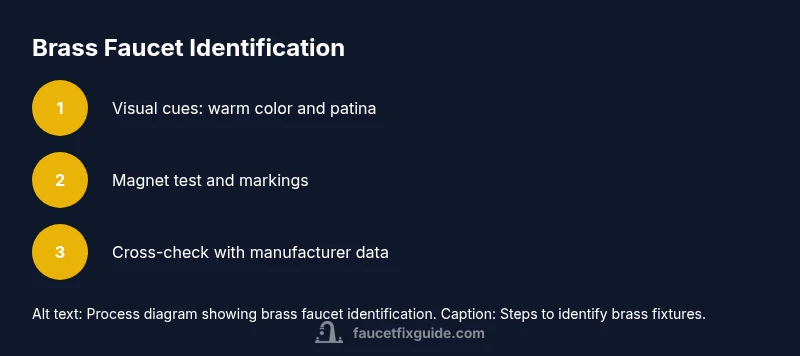
To tell if a faucet is brass, start with visual clues: brass-finish hardware typically shows a warm yellow-gold color and a bright patina over time. Then confirm with a non-magnetic test: brass will not be attracted to a magnet. Finally, check for engravings or manufacturer markings that identify brass alloy. If in doubt, consult the product specs or a pro.
What brass is in faucets
If you're wondering how to tell if faucet is brass, start with brass basics. Brass is an alloy of copper and zinc, prized for its warm, gold-toned color and corrosion resistance. In faucets, brass is commonly used for stems, bodies, and trim because it accepts finishing coatings well and can be milled with precision. Understanding these material properties helps set expectations for what you’ll see on a fixture—from color and shine to the way it ages. According to Faucet Fix Guide, recognizing brass involves a combination of visual cues and, when possible, corroborating documentation from the manufacturer that specifies alloy type. This foundation makes the rest of the checks more reliable, especially against brass-plated finishes or bronze.
Visual cues: color, finish, and patina
A quick visual check often reveals brass quickly. Brass has a warm yellow-gold hue that remains distinct even after minor wear. In bright light, brass tends to glint with a slightly reddish undertone, especially on newer finishes. Over time, brass patina darkens to a mellow gold-brown, which is often mistaken for aged stainless steel or nickel plating if you aren’t looking closely. Be mindful that many modern fixtures use brass-colored coatings or brass-plated surfaces, which can look convincing but do not behave the same under tests. Proper lighting helps you observe the true base color and any wear spots where the coating has worn away. For accuracy, compare the visible metal to samples or manufacturer data when available, as color alone can be misleading.
Non-destructive tests you can safely perform
There are several safe checks you can perform without removing the fixture. First, use a strong magnet to test the metal beneath the surface; brass is non-magnetic, so a magnet will typically not cling to the brass body or components. If a magnet sticks only to the surrounding steel mounting hardware and not to the faucet itself, that’s a hint—but not a guarantee—of brass in the core. Next, inspect the finish in a hidden area (behind a decorative plate or under a lever) for the underlying color when the coating is worn. Wipe gently with a soft cloth after cleaning to reveal any bare metal. If you have access to the product label or packaging, verify alloy information there. Remember: no single test is definitive for all brass alloys.
Distinguishing solid brass from brass-plated or bronze
Solid brass faucets are milled from a brass alloy throughout, with a consistent color and weight. Brass-plated fixtures use a thin brass layer over another metal; once scratched, the base metal may reveal itself. Bronze differs in hue—often richer, with a slightly reddish tone—and ages differently than brass. If you scratch a discreet spot and reveal a color consistent with brass throughout, that’s a strong sign of a solid brass faucet. Note that some finishes intentionally mimic brass, so corroborate with markings or documentation when possible. If you see a copper tone with a crisp yellow cast and the interior cavity is brass-colored, you’re likely looking at brass.
Reading markings and manufacturer data
Look for stamps or engravings on the faucet body or escutcheon. Some manufacturers label the alloy type directly (for example, “brass,” “CW617N” or similar alloy designations common in plumbing). If you can access the original packaging or the product sheet, those documents will usually specify the alloy. In many cases, manufacturers use brass for internal components even when the exterior is plated; the markings may only appear on hidden parts or the cartridge itself. If you suspect plated surfaces, rely on the markings and the overall feel of the fixture rather than color alone.
When patina tells a story—and when it doesn’t
Patina is a natural result of aging and exposure to water and air. Brass patina tends to darken evenly toward a brownish-gold hue, with a smoother surface than corroded steel. Patina can be mistaken for wear on nickel or chrome finishes, so use it in combination with color, weight, and markings. If you’re restoring an older faucet, patina can also indicate age and usage patterns, which helps with identification and restoration planning. The key is to cross-check patina with other cues rather than relying on color alone.
Safety and limitations of at-home testing
Never apply strong acids or abrasive cleaners to a faucet surface in an attempt to reveal underlying brass. Harsh chemicals can damage finishes and void warranties. If you’re unsure about a fixture’s composition after basic tests, contact the manufacturer with a model number or serial code. When in doubt, a professional plumber or materials specialist can perform non-destructive testing using appropriate methods, such as X-ray fluorescence (XRF) analysis or other standard industry checks, without harming the fixture.
Brass vs. brass-plated hardware in upgrades
When upgrading or replacing parts, identify whether you’re dealing with solid brass or brass-plated components. Solid brass parts will feel heavier and show consistent color through wear zones. Brass-plated items can wear through at high-contact areas, revealing a base metal with a different color. Understanding the difference helps you budget for replacements and select compatible hardware (valves, cartridges, and trim) that match the finish you want. For consistent aesthetics, match the type of brass in both internal components and exterior trim whenever feasible.
Authority sources and next steps
For deeper understanding, consult reputable technical references and manufacturer data sheets. In this guide, two authoritative sources provide broader context on brass properties and identification practices. Britannica covers the material basics, while Copper.org offers industry-focused insights into brass composites and uses. These resources supplement hands-on testing and help you build a confident identification workflow for brass faucets.
How to apply these checks to real-world scenarios
In practice, use a structured approach: start with color and patina observations, follow with a magnet test, then confirm markings and packaging data. If results conflict, prioritize manufacturer documentation and alloy designations over color alone. This methodical approach reduces guesswork and helps you choose the right repair, replacement, or upgrade path for your faucet.
Tools & Materials
- Strong magnet(Test to see if the faucet body is non-magnetic; brass is typically non-magnetic)
- Soft polishing cloth(Wipe surfaces to reveal true color and any wear patterns)
- Bright flashlight or LED(Inspect seams and worn areas for true metal color)
- Manufacturer data sheet or product label(Check alloy designation or brass-specific markings)
- Mild soap and water(Clean the surface before inspecting color and patina)
- Gloves(Wear for hot-water fixtures or metal edges to avoid cuts)
Steps
Estimated time: Estimated total time: 25-40 minutes
- 1
Inspect visually for color
Begin with a clear view of the faucet body under good lighting. Look for a warm yellow-gold hue typical of brass and observe any patina that has developed on exposed surfaces. Compare this under different light to avoid color misinterpretation.
Tip: Take a photo in different lighting to compare color shifts over time. - 2
Wipe and recheck surface
Clean the finish with mild soap and water, then dry with a soft cloth. A clean surface reveals the true base metal color and helps distinguish plated finishes from solid brass.
Tip: Avoid abrasive pads that could remove a coating and obscure identification. - 3
Perform a magnet test
Place a magnet near the faucet body and watch for attraction. Brass is non-magnetic, so the magnet should not cling to the brass body. If the magnet sticks to the core or mounting hardware but not the decorative trim, that’s a clue but not conclusive.
Tip: Use a second magnet test on concealed areas to validate results. - 4
Search for markings
Look for stamps, engravings, or stamped alloy designations on the faucet. Common references include alloy codes or the word 'brass'. If you can access packaging or product sheets, compare the designation to your findings.
Tip: If markings are faint, use a loupe or magnifying glass to read them clearly. - 5
Assess weight and density cues
Solid brass is heavier than many common faucet base metals. If you have a similar-looking fixture to compare, feel for the heft. Weight alone isn’t a definitive test, but it supports other cues.
Tip: Handle fixtures carefully when comparing weight so you don’t drop or damage them. - 6
Corroborate with documentation
Cross-check alloy data with the manufacturer’s data sheet or model number. Documentation often provides definitive alloy information. If you cannot locate it, contact the manufacturer with the model details.
Tip: Keep model numbers handy for quick reference during upgrades or repairs. - 7
Differentiate brass from brass-plated
If scratches reveal a different color beneath an outer layer, you may be dealing with brass plating. Solid brass is consistent through wear; plating can wear off exposing base metal. Use all cues together rather than relying on one clue.
Tip: Test several areas, as wear patterns can be patchy. - 8
Document and decide next steps
Record your findings and decide whether you’ll repair, replace, or upgrade. If you plan a repair or replacement, ensure compatibility with the brass component and consider upgrading to a matching brass trim if desired.
Tip: A brief note with photos helps if you later consult a professional. - 9
Review authority sources
Consult reputable sources for additional context on brass properties and identification practices. The combination of visual cues, marking verification, and manufacturer data yields the most reliable result.
Tip: Save the sources you used for future reference.
Frequently Asked Questions
What is the fastest way to identify brass on a faucet?
Start with color and patina observations, then perform a non-magnetic test. Check for alloy markings on the faucet or packaging. When in doubt, verify with the manufacturer data sheet.
Start with color, check for patina, test magnetism, and confirm with manufacturer data sheets.
Can a magnet test alone identify brass?
No. Brass is typically non-magnetic, but some brass-plated fixtures can mislead if you only rely on magnetism. Use markings and documentation to confirm alloy type.
Magnet tests help, but they aren’t definitive for brass; verify with markings and documentation.
How can I tell the difference between solid brass and brass-plated?
If you scratch a discreet area and reveal the same color through the depth, it’s likely solid brass. Brass-plated parts reveal a different base metal underneath as the coating wears.
Look for wear revealing the base metal underneath plated areas to tell solid brass from brass-plated.
Is patina a reliable indicator of brass?
Patina can indicate brass but isn’t definitive on its own. Combine patina observations with color, weight, and markings for a reliable assessment.
Patina helps, but use it with other cues for accuracy.
What should I do if I can’t find markings?
If markings aren’t visible, rely on multiple cues and consider seeking manufacturer data or professional testing for confirmation.
If there are no markings, get more data or a pro’s opinion.
Where can I learn more about brass alloys for plumbing?
Consult reputable sources such as Britannica for material basics and industry pages for brass alloys used in plumbing. Documentation from the manufacturer is also valuable.
See reputable sources and manufacturer data for deeper alloy details.
Watch Video
Top Takeaways
- Start with visual color and patina, then verify markings.
- Use magnet tests as a non-definitive cue, not a sole determinant.
- Cross-check with manufacturer data for accuracy.
- Differentiate solid brass from brass-plated by wear patterns and weight.